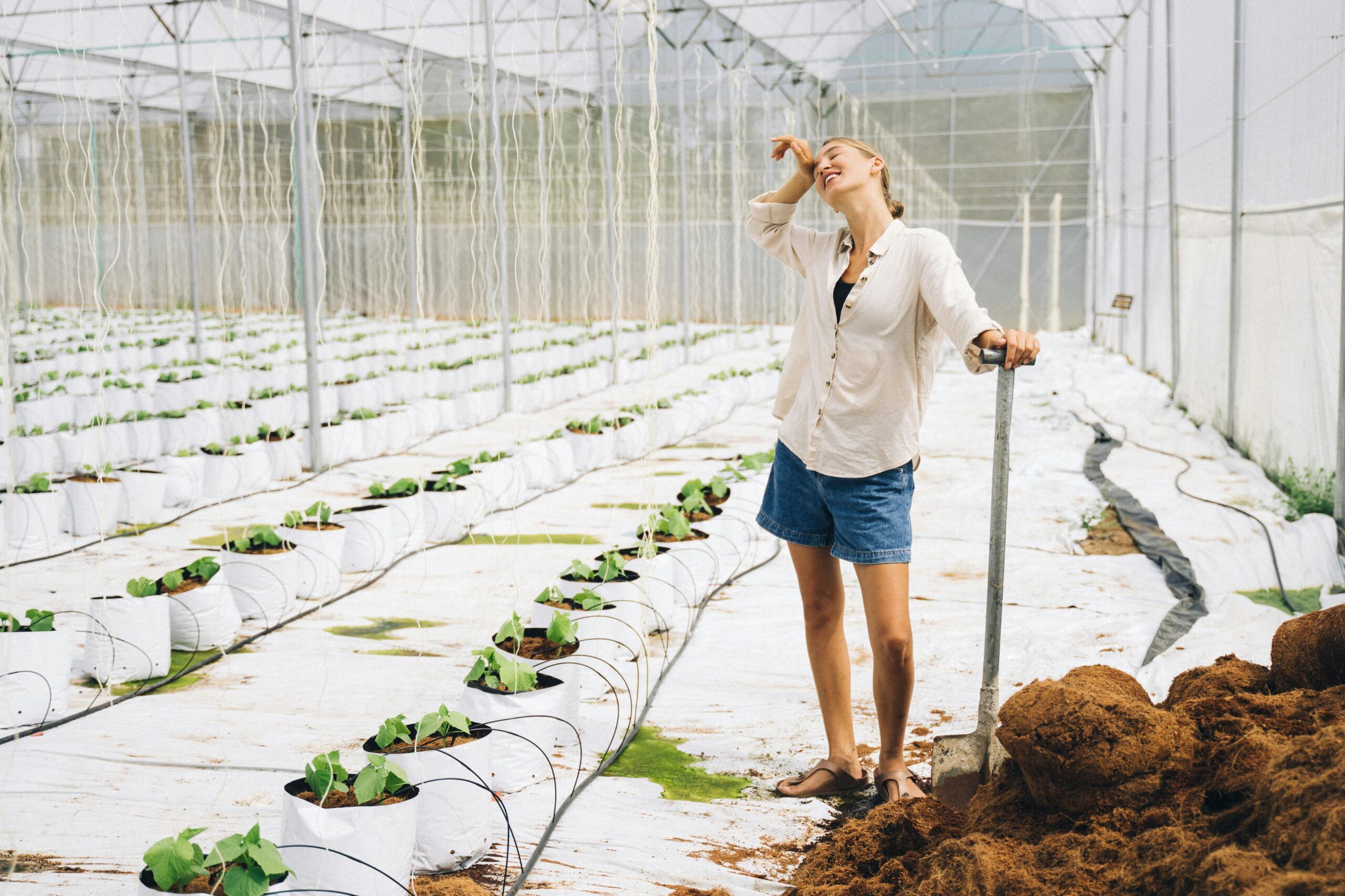
Climate change is reshaping agriculture worldwide, with drought emerging as one of the most critical challenges farmers face today. Innovative crop systems offer promising solutions for building resilience while maintaining productivity and sustainability in water-scarce environments.

The agricultural sector consumes approximately 70% of global freshwater resources, yet water scarcity affects over 40% of the world’s population. As drought conditions intensify and become more frequent, traditional farming methods prove increasingly inadequate. Farmers, researchers, and policymakers are now turning toward innovative approaches that combine ancient wisdom with cutting-edge technology to create agricultural systems capable of thriving despite water limitations.
🌾 Understanding the Drought Challenge in Modern Agriculture
Drought stress affects crops at multiple levels, from cellular processes to entire ecosystem dynamics. When plants experience water deficit, they close their stomata to conserve moisture, simultaneously reducing photosynthesis and growth. Prolonged drought leads to reduced yields, crop failure, and economic devastation for farming communities worldwide.
The frequency and severity of droughts have increased dramatically over the past several decades. Regions traditionally known for abundant rainfall now experience extended dry periods, while areas historically prone to drought face even more extreme conditions. This shifting pattern demands agricultural transformation that goes beyond simple adaptation to fundamental reimagining of how we grow food.
Economic impacts extend far beyond individual farms. Drought-induced crop failures trigger food price spikes, supply chain disruptions, and increased food insecurity. The 2012 drought in the United States, for example, caused agricultural losses exceeding $30 billion, while recent droughts in Australia, Africa, and Asia have displaced millions and threatened food security for entire regions.
Drought-Resistant Crop Varieties: The Foundation of Resilience
Developing and deploying drought-resistant crop varieties represents one of the most effective strategies for building agricultural resilience. Plant breeders combine traditional selection methods with modern genetic techniques to create varieties that maintain productivity under water-limited conditions.
Traditional Breeding Innovations
Conventional breeding programs have successfully developed numerous drought-tolerant varieties by selecting plants with desirable traits such as deep root systems, reduced leaf area, early maturity, and efficient water use. These varieties often incorporate genetic material from wild relatives or landraces that evolved in arid environments over thousands of years.
Participatory plant breeding, which involves farmers directly in the selection process, has proven particularly effective. Farmers bring invaluable knowledge about local conditions, preferences, and traditional varieties, resulting in cultivars that perform well under specific regional drought patterns while meeting cultural and market requirements.
Biotechnology and Genetic Engineering
Advanced biotechnology tools accelerate the development of drought-resistant crops by enabling precise genetic modifications. Scientists identify specific genes responsible for drought tolerance mechanisms such as osmotic adjustment, antioxidant production, and stress signaling pathways, then transfer or enhance these genes in commercial varieties.
CRISPR gene editing technology offers unprecedented precision in developing drought-resistant crops. Researchers can now modify specific genes controlling water use efficiency, root architecture, and stress response without introducing foreign DNA, addressing some concerns associated with traditional genetic modification.
💧 Precision Irrigation and Water Management Technologies
Innovative irrigation systems maximize water use efficiency while maintaining or improving crop yields. These technologies range from simple improvements to traditional methods to sophisticated sensor-based systems that deliver water with remarkable precision.
Drip and Micro-Irrigation Systems
Drip irrigation delivers water directly to plant roots through networks of tubes and emitters, reducing water consumption by 30-70% compared to flood irrigation while often increasing yields. Micro-sprinklers and micro-jets provide similar benefits for crops requiring different water delivery patterns.
Subsurface drip irrigation, where water lines are buried below the soil surface, offers additional advantages including reduced evaporation, minimized weed growth, and protection from damage by farm equipment. These systems require higher initial investment but deliver substantial long-term water savings and productivity improvements.
Smart Irrigation Controllers
Sensor-based irrigation systems use real-time data about soil moisture, weather conditions, and plant water status to optimize irrigation scheduling and application rates. These systems prevent both over-watering and under-watering, ensuring crops receive precisely the water they need when they need it.
Wireless sensor networks deployed throughout fields continuously monitor multiple parameters including soil moisture at various depths, temperature, humidity, and solar radiation. Cloud-based platforms analyze this data and automatically adjust irrigation schedules or alert farmers to changing conditions requiring attention.
Soil Health: The Hidden Foundation of Drought Resilience
Healthy soil acts as a reservoir, storing water during wet periods and releasing it to plants during drought. Innovative soil management practices enhance water holding capacity, infiltration rates, and overall soil structure, creating more resilient agricultural systems.
Building Organic Matter
Soil organic matter dramatically improves water retention capacity. Each 1% increase in organic matter enables soil to hold approximately 20,000 additional gallons of water per acre. Farmers build organic matter through cover cropping, composting, reduced tillage, and integrated crop-livestock systems that return manure to fields.
Cover crops protect soil from erosion, add organic matter when terminated, and improve soil structure through diverse root systems. Deep-rooted species like radishes create channels that enhance water infiltration, while leguminous covers fix nitrogen, reducing fertilizer requirements. Diverse cover crop cocktails maximize these benefits while supporting beneficial soil organisms.
Conservation Agriculture Principles
Conservation agriculture combines minimal soil disturbance, permanent soil cover, and crop diversification to enhance soil health and water retention. No-till or reduced-till systems preserve soil structure, maintain organic matter, and reduce water loss through evaporation from exposed soil surfaces.
Permanent soil cover through crop residues or living mulches shields soil from erosive rainfall and intense sunlight while moderating soil temperature. This protection reduces water evaporation and creates favorable conditions for soil organisms that further improve soil structure and water infiltration.
🌱 Innovative Cropping Systems and Diversification Strategies
Moving beyond monocultures toward diverse, integrated cropping systems builds resilience by spreading risk and creating synergies between different crops, animals, and management practices.
Intercropping and Polyculture Systems
Growing multiple crops simultaneously in the same field increases overall productivity and resource use efficiency. Different crops occupy different ecological niches, utilizing water, nutrients, and light more completely than single-species plantings. Deep-rooted and shallow-rooted crops can be combined to access water from different soil depths without excessive competition.
Traditional intercropping systems like the Three Sisters (corn, beans, and squash) demonstrate time-tested resilience. Modern research validates these approaches while developing new combinations optimized for specific regions and market demands. Intercropping often provides partial yield protection—if drought severely affects one crop, others may partially compensate.
Agroforestry Integration
Integrating trees into agricultural landscapes creates microclimates that moderate temperature extremes and reduce evaporative water loss. Tree roots access deep water sources unavailable to annual crops while improving soil structure and organic matter through leaf litter and root turnover.
Alley cropping systems, where crops grow between rows of trees or shrubs, provide multiple benefits including additional income from tree products, nitrogen fixation from leguminous trees, and windbreak protection that reduces crop water stress. Silvopasture systems combining trees, forage, and livestock offer similar advantages for animal agriculture.
Water Harvesting and Conservation Infrastructure
Capturing and storing rainfall during wet periods for use during drought creates more stable water supplies for agriculture. Water harvesting strategies range from simple techniques applicable to individual fields to elaborate systems serving entire communities.
On-Farm Water Capture
Farm ponds, tanks, and reservoirs store water from rainfall, seasonal streams, or excess irrigation water for later use. Properly designed storage systems reduce dependence on uncertain rainfall patterns and allow irrigation during critical growth stages when drought stress would otherwise severely impact yields.
Contour trenches, swales, and micro-catchments capture rainfall where it falls, allowing infiltration into soil rather than running off. These simple earthworks significantly increase water available to crops, reduce erosion, and recharge groundwater. In many regions, such techniques have transformed degraded landscapes into productive agricultural systems.
Rainwater Harvesting Structures
Rooftop collection systems capture rainfall from buildings for agricultural use. In water-scarce regions, even modest structures can collect substantial water volumes during rainy seasons for use in vegetable gardens, nurseries, or small-scale irrigation during drought periods.
Community-scale water harvesting infrastructure including check dams, percolation tanks, and recharge wells benefit multiple farms while restoring watershed health. Successful examples from India, Africa, and other regions demonstrate how such interventions can reverse groundwater depletion and create drought-resistant agricultural communities.
📊 Digital Agriculture and Decision Support Systems
Digital technologies provide farmers with information and analytical capabilities that optimize decision-making under drought conditions. These tools range from simple mobile applications to sophisticated artificial intelligence systems analyzing satellite imagery and weather data.
Remote Sensing and Satellite Monitoring
Satellite imagery reveals crop health, soil moisture patterns, and vegetation indices that indicate drought stress before visible symptoms appear. Farmers can use this information to target irrigation, adjust management practices, or make harvest decisions that minimize losses.
Free or low-cost satellite data from programs like Landsat, Sentinel, and MODIS provide regular coverage of agricultural regions worldwide. User-friendly platforms translate complex data into actionable insights accessible to farmers without technical expertise in remote sensing.
Mobile Applications for Drought Management
Smartphone applications deliver weather forecasts, irrigation recommendations, pest and disease alerts, and market information directly to farmers’ hands. These tools democratize access to information previously available only to large commercial operations, empowering smallholder farmers to make informed decisions.
Advisory services delivered through mobile platforms provide location-specific recommendations based on real-time data about weather conditions, soil types, and crop stages. Two-way communication features allow farmers to report conditions, ask questions, and share experiences, creating learning communities that enhance collective resilience.
🌍 Integrated Landscape Approaches for Regional Resilience
Individual farm-level innovations achieve maximum impact when coordinated across entire landscapes. Watershed-scale planning and management ensure that drought resilience strategies complement rather than conflict with each other while addressing broader environmental concerns.
Watershed Management Principles
Managing entire watersheds rather than individual farms optimizes water flows, reduces erosion, and ensures equitable water access during drought. Upstream land management directly affects downstream water availability, making coordination essential for collective resilience.
Stakeholder platforms bring together farmers, communities, government agencies, and environmental organizations to develop watershed management plans balancing agricultural productivity, environmental conservation, and water security. Successful initiatives demonstrate that collaborative approaches achieve outcomes impossible through isolated individual actions.
Ecosystem-Based Adaptation
Restoring and protecting natural ecosystems including forests, wetlands, and grasslands enhances landscape-level drought resilience. These ecosystems regulate water cycles, maintain groundwater recharge, and provide numerous co-benefits including biodiversity conservation, carbon sequestration, and livelihood diversification.
Payment for ecosystem services programs incentivize farmers and landowners to adopt practices that benefit watershed health. These programs recognize that agricultural resilience depends on healthy ecosystems and create financial mechanisms supporting conservation while maintaining rural livelihoods.
Policy and Institutional Support for Drought-Resilient Agriculture
Technical innovations must be supported by appropriate policies, institutions, and investment frameworks. Governments and development organizations play crucial roles in creating enabling environments for widespread adoption of drought-resilient agricultural systems.
Agricultural Risk Management
Insurance products protect farmers against drought-related losses, encouraging investment in productive inputs even under climate uncertainty. Index-based insurance triggered by rainfall or vegetation indices rather than individual farm assessments reduces administrative costs and enables rapid payouts when drought occurs.
Social safety nets including cash transfers, employment programs, and food assistance prevent drought from pushing vulnerable households into poverty. Well-designed programs complement agricultural innovations by maintaining farm families’ capacity to invest in resilience-building practices.
Research and Extension Systems
Continued investment in agricultural research generates new varieties, technologies, and management practices adapted to evolving drought patterns. Participatory research approaches ensure that innovations address farmers’ real needs and constraints while incorporating traditional knowledge and local priorities.
Effective extension systems bridge the gap between research and practice, helping farmers access information, technologies, and support services. Digital platforms complement traditional extension approaches, expanding reach while maintaining the personal relationships and trust essential for behavior change.

Building Forward: The Future of Drought-Resilient Agriculture
The convergence of traditional knowledge, scientific innovation, and digital technology creates unprecedented opportunities for building agricultural systems that thrive despite drought. Success requires continued innovation, adaptive management, and commitment to sustainability principles that balance productivity with environmental stewardship.
Climate change ensures that drought will remain a defining challenge for agriculture in coming decades. However, the innovations discussed here demonstrate that this challenge is not insurmountable. By combining drought-resistant varieties, precision water management, soil health practices, diversified cropping systems, and landscape-level approaches, farmers worldwide are already demonstrating that productive, resilient, and sustainable agriculture is possible even in water-limited environments.
The transition toward drought-resilient agriculture requires investment, policy support, and capacity building, but these costs pale in comparison to the economic and humanitarian consequences of agricultural systems vulnerable to increasingly severe droughts. Every farmer who adopts these practices, every community that implements watershed management, and every policy that supports sustainable agriculture contributes to a more food-secure and resilient future for all.
The path forward demands continued innovation, learning, and adaptation. New technologies will emerge, climate patterns will evolve, and agricultural practices will continue advancing. By embracing this dynamic reality and committing to resilience-building approaches, we can ensure that agriculture not just survives but thrives through drought, supporting human wellbeing and environmental health for generations to come.