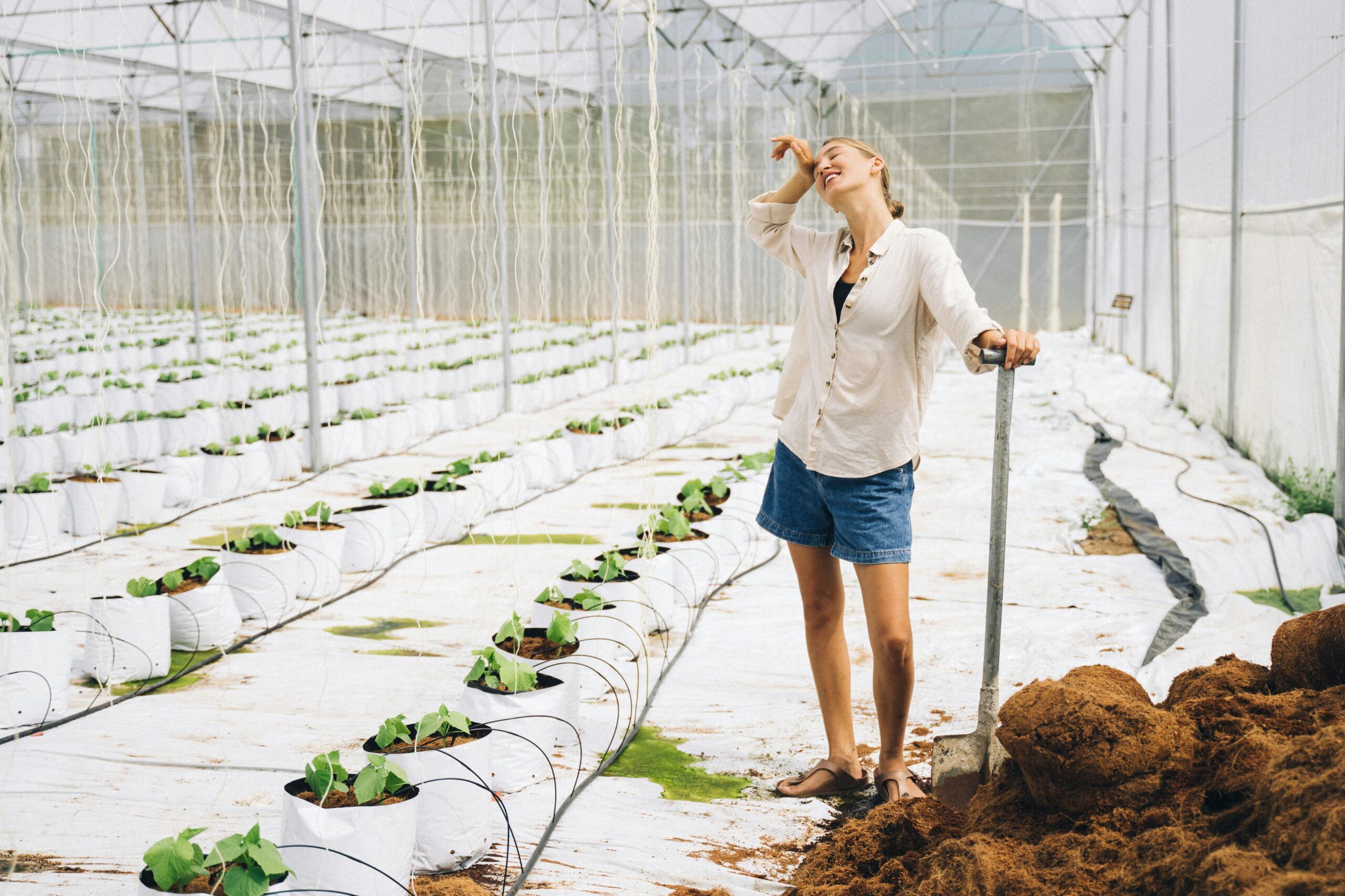
Climate change is reshaping agriculture at an unprecedented pace, challenging farmers worldwide to adapt or face declining yields. The future of food security depends on our ability to develop and implement innovative farming models that work with nature rather than against it.

As global temperatures rise and weather patterns become increasingly unpredictable, traditional farming methods are proving insufficient for sustaining agricultural productivity. This transformation requires a fundamental rethinking of how we grow food, manage resources, and design agricultural systems that can withstand environmental stresses while maintaining profitability and ecological balance.
🌍 Understanding Climate-Adaptive Agriculture
Climate-adaptive farming represents a paradigm shift in agricultural practices, focusing on resilience, sustainability, and productivity in the face of environmental uncertainty. These innovative approaches combine traditional wisdom with cutting-edge technology to create farming systems that can adjust to changing conditions while maintaining or improving yields.
The core principle behind climate-adaptive agriculture is building flexibility into farming operations. This means developing diverse crop portfolios, implementing water-smart irrigation systems, improving soil health, and adopting technologies that provide real-time data for informed decision-making. Farmers who embrace these models are better positioned to weather climate variability and continue feeding growing populations.
The Science Behind Adaptation
Climate-adaptive farming is grounded in robust scientific research that examines how plants, soil, and ecosystems respond to environmental stressors. Scientists have identified specific traits in crop varieties that enhance drought tolerance, heat resistance, and pest resilience. By understanding these mechanisms at the genetic and physiological levels, agricultural researchers can develop targeted solutions that address specific climate challenges in different regions.
Modern breeding programs now prioritize climate resilience alongside traditional metrics like yield and disease resistance. Marker-assisted selection and genomic tools accelerate the development of varieties that can thrive under stress conditions. This scientific foundation ensures that climate-adaptive practices are evidence-based and effective across diverse agricultural contexts.
💧 Water-Smart Farming Technologies
Water scarcity represents one of the most pressing challenges facing global agriculture. Climate-adaptive farming models prioritize water efficiency through precision irrigation systems, soil moisture monitoring, and drought-resistant crop varieties. These technologies enable farmers to produce more food with less water while maintaining crop quality and environmental sustainability.
Drip irrigation and micro-sprinkler systems deliver water directly to plant roots, reducing evaporation losses by up to 60% compared to traditional flood irrigation. Smart sensors connected to mobile applications allow farmers to monitor soil moisture levels in real-time and adjust irrigation schedules accordingly. This precision approach not only conserves water but also prevents over-irrigation, which can lead to nutrient leaching and soil degradation.
Rainwater Harvesting and Storage Solutions
Innovative farmers are increasingly implementing rainwater harvesting systems to capture and store precipitation during wet periods for use during dry spells. These systems range from simple farm ponds and tanks to sophisticated underground cisterns with filtration systems. By managing water resources at the farm level, producers reduce dependence on external water sources and build resilience against drought.
The integration of weather forecasting data with storage management helps farmers optimize water use throughout the growing season. Advanced models predict rainfall patterns and temperature fluctuations, enabling strategic decisions about when to plant, irrigate, and harvest. This proactive approach to water management represents a fundamental shift from reactive crisis management to anticipatory resource planning.
🌱 Regenerative Soil Management Practices
Healthy soil forms the foundation of climate-adaptive agriculture. Regenerative practices focus on rebuilding soil organic matter, enhancing microbial diversity, and improving soil structure to increase water retention and nutrient availability. These methods sequester carbon, mitigate climate change impacts, and create more resilient agricultural ecosystems.
Cover cropping has emerged as a cornerstone of regenerative agriculture, protecting soil from erosion while adding organic matter and fixing nitrogen. Farmers plant species like legumes, grasses, and brassicas during off-seasons to maintain living roots in the soil year-round. This continuous plant cover supports beneficial microorganisms, suppresses weeds, and breaks pest cycles naturally.
No-Till and Reduced Tillage Systems
Minimizing soil disturbance through no-till or reduced tillage farming preserves soil structure and protects the complex underground networks of fungi and bacteria that support plant health. These systems reduce fuel consumption, labor costs, and carbon emissions while improving water infiltration and reducing runoff. Over time, no-till fields build deeper topsoil layers with enhanced fertility and drought resistance.
The transition to reduced tillage requires specialized equipment and adjusted management practices, but the long-term benefits justify the investment. Farmers report improved yields during drought years, reduced input costs, and better soil quality after adopting these methods. The cumulative effect of maintaining soil health creates a buffer against climate variability that conventional tillage systems cannot match.
🔬 Precision Agriculture and Digital Tools
Technology plays an increasingly vital role in climate-adaptive farming. Precision agriculture tools provide unprecedented insights into field conditions, enabling site-specific management that optimizes resource use and maximizes productivity. GPS-guided equipment, drones, satellite imagery, and artificial intelligence are transforming how farmers monitor crops and make decisions.
Variable rate technology allows farmers to apply fertilizers, pesticides, and seeds at customized rates across different zones within a single field. This precision reduces waste, lowers costs, and minimizes environmental impacts while addressing the specific needs of each area. Yield mapping and soil testing reveal patterns that inform future management strategies and continuous improvement.
Remote Sensing and Crop Monitoring
Satellite and drone imagery equipped with multispectral cameras detect plant stress, nutrient deficiencies, and disease outbreaks before they become visible to the naked eye. Farmers receive alerts about potential problems and can intervene quickly to minimize losses. This early warning system is particularly valuable for managing large operations where regular field scouting is time-intensive and costly.
Machine learning algorithms analyze historical data combined with real-time observations to predict optimal planting dates, forecast yields, and recommend management interventions. These predictive models improve accuracy over time as they incorporate more data, creating increasingly sophisticated decision support systems that adapt to local conditions and climate patterns.
🌾 Diversified Cropping Systems
Monoculture farming, while efficient in stable climates, leaves agricultural systems vulnerable to climate shocks and pest outbreaks. Climate-adaptive models emphasize crop diversification as a risk management strategy that spreads vulnerability across multiple species and varieties with different tolerances and growing requirements.
Intercropping, where farmers grow two or more crops simultaneously in the same field, creates synergies that enhance overall productivity and resilience. Complementary species can share resources efficiently, provide mutual pest protection, and stabilize yields when one crop underperforms. Traditional polyculture systems practiced by indigenous communities offer valuable lessons for designing modern diversified farming operations.
Crop Rotation and Sequential Planting
Strategic crop rotation breaks pest and disease cycles while improving soil fertility through varied root structures and nutrient demands. Planning rotations that include deep-rooted crops alternating with shallow-rooted species, and nitrogen-fixing legumes following heavy feeders, optimizes soil health and reduces dependence on synthetic inputs.
Sequential planting extends harvest periods and reduces risk by spreading production across different time windows. If early plantings suffer from unexpected frost or drought, later plantings may still succeed under improved conditions. This temporal diversification complements spatial diversity to create robust farming systems that can absorb climate shocks without catastrophic losses.
🐄 Integrated Crop-Livestock Systems
Combining crop production with livestock management creates circular systems where waste from one component becomes a resource for another. Animals graze cover crops and crop residues, converting plant material into meat, milk, and manure while fertilizing fields and improving soil structure through their activity.
Managed grazing systems that rotate livestock through pastures mimic natural herbivore movements, allowing vegetation to recover and soil to regenerate between grazing periods. This approach builds soil carbon, enhances biodiversity, and produces nutrient-dense animal products from land that might not be suitable for row crops. The integration of multiple revenue streams also diversifies farm income and reduces financial vulnerability.
Agroforestry and Silvopasture
Incorporating trees into agricultural landscapes creates microclimates that moderate temperature extremes, reduce wind erosion, and provide shade for livestock and understory crops. Agroforestry systems generate multiple products including timber, fruits, nuts, and fodder while sequestering significant amounts of carbon and supporting wildlife habitat.
Silvopasture combines forestry and grazing, allowing livestock to browse beneath tree canopies that protect them from heat stress while producing valuable wood products. These three-dimensional farming systems maximize land use efficiency and create resilience through biological diversity. The trees act as climate buffers, reducing the impact of extreme weather events on agricultural production.
🌤️ Climate-Smart Crop Varieties
Plant breeders are developing new crop varieties specifically designed to thrive under climate stress conditions. Drought-tolerant maize, heat-resistant wheat, and flood-tolerant rice varieties enable farmers to maintain productivity in challenging environments where traditional varieties would fail. Access to improved germplasm represents a critical component of climate adaptation strategies.
Local seed systems and farmer-managed seed banks preserve genetic diversity and maintain varieties adapted to specific regional conditions. This agrobiodiversity provides a reservoir of traits that may become increasingly valuable as climate patterns shift. Supporting traditional varieties alongside modern hybrids creates a balanced portfolio of genetic resources for future adaptation.
Hybrid Vigor and Stress Tolerance
Modern breeding techniques combine favorable traits from different parent lines to create hybrids with enhanced stress tolerance and yield stability. These varieties often perform well across a wider range of environmental conditions than traditional open-pollinated varieties, providing insurance against climate variability. Ongoing research continues to identify new sources of stress tolerance genes that can be incorporated into breeding programs.
Participatory breeding programs that involve farmers in variety selection ensure that new varieties meet real-world needs and local preferences. This collaborative approach accelerates adoption and maintains cultural preferences while improving climate resilience. Farmers who participate in these programs become active partners in agricultural innovation rather than passive recipients of external technologies.
📊 Economic Viability and Market Access
Climate-adaptive farming models must be economically viable to achieve widespread adoption. Farmers need access to markets that value sustainably produced food and provide fair compensation for environmental stewardship. Certification programs, direct marketing channels, and value-added processing create opportunities for farmers to capture premium prices while building consumer awareness about climate-smart agriculture.
Financial instruments including crop insurance, climate-indexed contracts, and conservation payments help farmers manage risk and invest in adaptation measures. Government support through subsidies, technical assistance, and research funding accelerates the transition to resilient farming systems. Creating enabling policy environments that reward sustainable practices rather than commodity production represents a critical shift in agricultural economics.
🤝 Knowledge Sharing and Farmer Networks
Peer-to-peer learning through farmer networks and demonstration farms facilitates the spread of climate-adaptive practices. Farmers trust information from fellow producers who have successfully implemented new methods in similar conditions. Field days, study groups, and online forums create communities of practice that support innovation and problem-solving.
Extension services and agricultural advisors play crucial roles in translating research findings into practical recommendations tailored to local conditions. Building capacity at the community level ensures that knowledge reaches smallholder farmers who may lack direct access to scientific information. This democratization of agricultural knowledge empowers producers to make informed decisions about adapting their operations.
🌟 Building Resilient Food Systems for Tomorrow
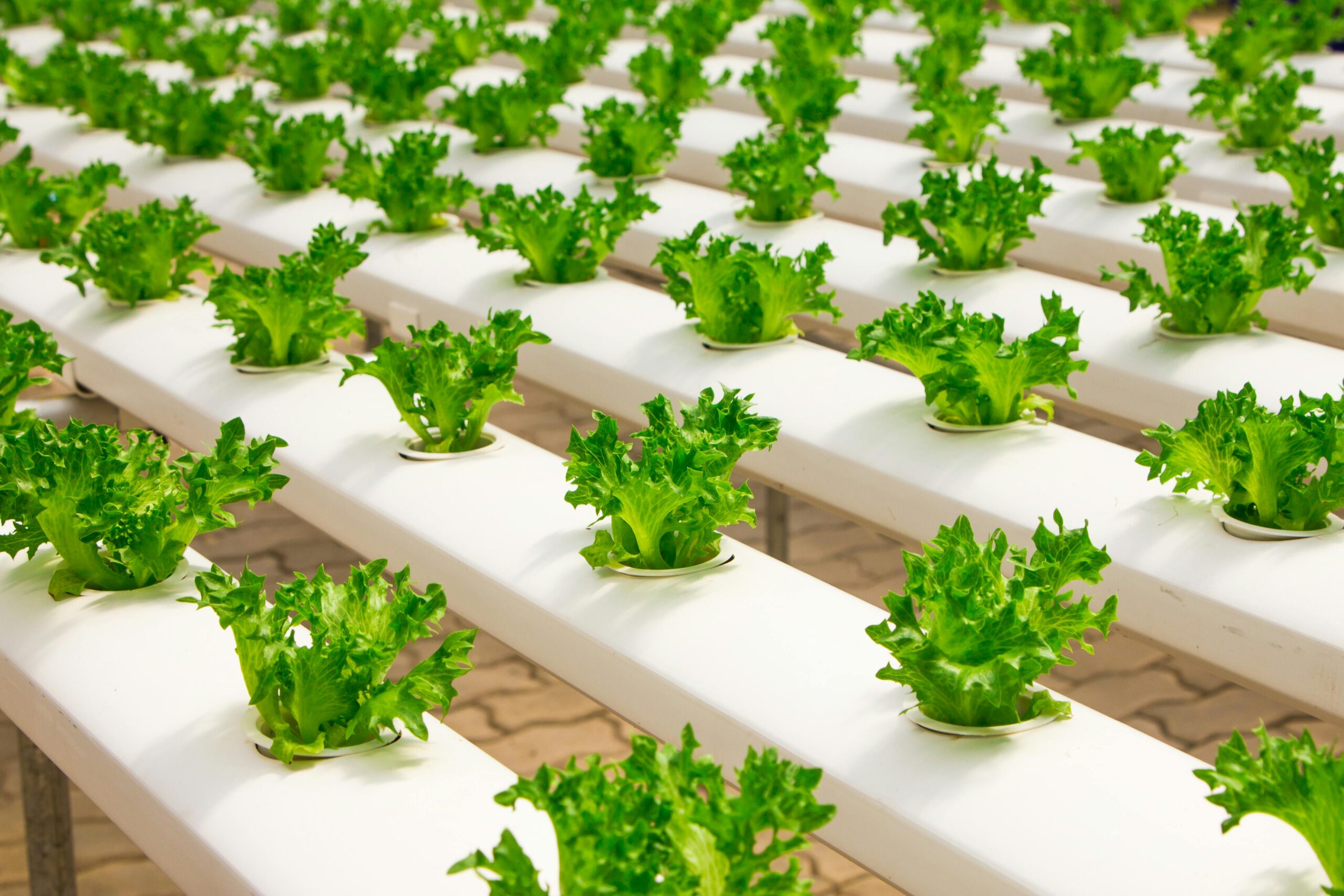
The transformation toward climate-adaptive agriculture represents both a challenge and an opportunity to reimagine food production for a changing world. Innovative farming models that integrate ecological principles, advanced technologies, and traditional wisdom create pathways toward resilient and sustainable harvests that can nourish growing populations while regenerating natural resources.
Success requires coordinated action across multiple scales, from individual farm management decisions to national agricultural policies and international research collaborations. Farmers, scientists, policymakers, and consumers all play essential roles in cultivating a future where agriculture thrives despite climate uncertainty. By embracing adaptation as an ongoing process rather than a one-time adjustment, we can build food systems that evolve with changing conditions.
The journey toward climate-resilient agriculture has already begun, with pioneering farmers demonstrating that productive, profitable, and environmentally sound farming is achievable. Scaling these innovations globally requires investment, education, and commitment to long-term sustainability over short-term gains. The harvest we cultivate today determines the food security of future generations, making climate adaptation not just an agricultural imperative but a moral obligation to those who will inherit the Earth we shape through our choices.