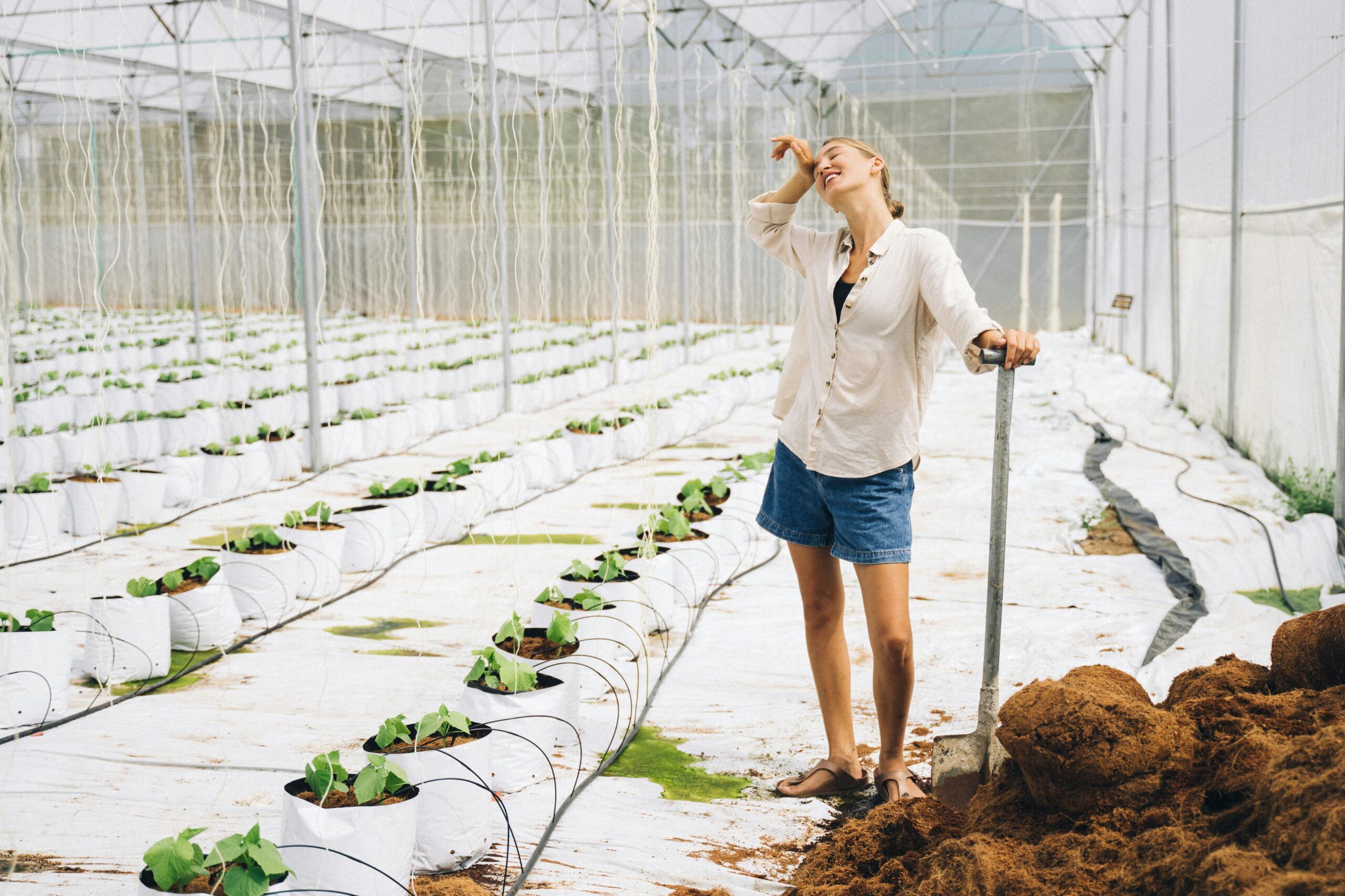
Modern agriculture stands at a crossroads where resource scarcity meets growing food demands. Water-efficient crop patterns offer a transformative pathway toward sustainability, combining traditional wisdom with cutting-edge technology to reshape how we cultivate the land.

The challenge facing today’s farmers extends beyond simple production metrics. Climate change, depleting aquifers, and escalating water costs demand intelligent solutions that preserve resources while maintaining productivity. Innovative cropping patterns represent not just an adaptation strategy but a fundamental reimagining of agricultural practice for the 21st century.
🌾 Understanding Water-Efficient Crop Patterns
Water-efficient crop patterns involve strategic arrangements of different plant species designed to optimize water usage while maximizing yields. These patterns consider factors like root depth, water requirements, growth cycles, and complementary relationships between crops. Rather than viewing fields as monoculture expanses, progressive farmers now see them as carefully orchestrated ecosystems.
The concept draws from permaculture principles, indigenous farming knowledge, and modern agricultural science. By positioning crops according to their water needs and growth characteristics, farmers create synergistic relationships that reduce overall irrigation demands while improving soil health and biodiversity.
The Science Behind Strategic Crop Placement
Different crops extract water from varying soil depths. Shallow-rooted vegetables like lettuce tap moisture from the top 12 inches, while deep-rooted crops such as sunflowers reach down three feet or more. Intercropping these strategically prevents water competition and maximizes extraction efficiency across the entire soil profile.
Companion planting further enhances water efficiency. Tall crops provide shade for moisture-sensitive plants below, reducing evaporation rates. Ground covers create living mulches that suppress weeds and retain soil moisture. These natural relationships decrease irrigation requirements by 20-40% compared to conventional single-crop systems.
💧 Innovative Patterns Transforming Water Management
Several groundbreaking crop pattern approaches have emerged from agricultural research stations and forward-thinking farms worldwide. Each addresses specific environmental conditions and farming objectives while prioritizing water conservation.
The Alley Cropping Revolution
Alley cropping intersperses rows of trees or shrubs with cultivated crops in the alleys between them. The woody perennials develop extensive root systems that access deep groundwater, reducing competition with shallow-rooted annual crops. Their canopies modify microclimates, decreasing wind speeds and temperatures that drive water loss.
Research from semi-arid regions demonstrates that alley cropping systems reduce irrigation needs by 30-50% while maintaining comparable yields. The trees contribute additional benefits including nitrogen fixation, windbreaks, and supplementary income from fruits or timber.
Spiral and Keyhole Garden Designs
Originally developed for space-constrained urban environments, spiral gardens create vertical growing zones with varied moisture levels. Plants requiring consistent moisture occupy the lower, shaded sections while drought-tolerant varieties thrive at the drier summit. A single irrigation application serves multiple microclimates simultaneously.
Keyhole gardens incorporate central composting zones that release nutrients and moisture gradually throughout the growing bed. This African innovation reduces water requirements by up to 70% compared to traditional row gardening while producing exceptional yields in compact areas.
Strip Cropping and Contour Farming
Strip cropping alternates bands of different crops across fields, typically combining dense-growing vegetation with more open plantings. This pattern reduces water runoff, encourages infiltration, and creates moisture gradients that farmers can match to crop requirements. Strips follow land contours to maximize water capture and minimize erosion.
Studies show contour strip cropping increases water retention by 25-35% on sloped terrain. The pattern also breaks pest and disease cycles naturally, reducing the need for chemical interventions that can contaminate water sources.
🌱 Implementing Smart Crop Rotation Sequences
Temporal patterns matter as much as spatial arrangements in water-efficient agriculture. Thoughtful crop rotations improve soil structure, enhance water-holding capacity, and reduce irrigation demands over multi-year cycles.
Deep-Shallow Root Succession
Alternating deep-rooted and shallow-rooted crops prevents soil compaction layers that impede water infiltration. Deep roots create channels that persist after harvest, allowing water and air to penetrate further into the profile. Following seasons benefit from improved soil structure without additional tillage.
A typical sequence might involve deep-rooted sunflowers or daikon radishes followed by shallow-rooted lettuce or spinach. This rotation can improve water infiltration rates by 40-60% over three years while reducing surface runoff and nutrient leaching.
Cover Crop Integration
Strategic cover cropping between cash crops transforms water dynamics throughout the farming system. Cover crops protect soil from erosive rainfall, add organic matter that acts as a sponge, and reduce evaporation during fallow periods. Certain species like legumes also fix atmospheric nitrogen, decreasing fertilizer needs and associated water pollution.
Research confirms that fields with consistent cover cropping require 15-25% less irrigation than bare soil management. The improved water infiltration also reduces flooding risks during heavy rainfall events, protecting both yields and soil health.
📊 Technology Integration for Precision Water Management
Modern sensors, data analytics, and mobile applications enable farmers to implement water-efficient crop patterns with unprecedented precision. Technology bridges the gap between theoretical patterns and practical field implementation.
Soil Moisture Monitoring Systems
Wireless sensor networks provide real-time data on soil moisture at multiple depths across fields. This information helps farmers understand how different crops and patterns affect water dynamics, enabling evidence-based adjustments to irrigation schedules and crop placements.
Contemporary systems integrate weather forecasts, evapotranspiration calculations, and crop growth models to predict irrigation needs days in advance. This proactive approach prevents both water stress and over-irrigation, optimizing resource use.
Mapping and Planning Applications
Digital tools now allow farmers to design crop patterns on tablets or smartphones, experimenting with different configurations before planting. These applications incorporate satellite imagery, topographic data, and historical yield information to recommend optimal arrangements for specific fields.
Some platforms use artificial intelligence to analyze thousands of crop combination scenarios, identifying patterns that maximize water efficiency while meeting production goals. These computational approaches discover non-intuitive solutions that human planners might overlook.
🌍 Regional Adaptations for Diverse Climates
Successful water-efficient patterns must adapt to local conditions. What works in Mediterranean climates may fail in tropical or temperate regions. Understanding regional requirements ensures practical implementation.
Arid and Semi-Arid Adaptations
Desert and dryland regions benefit most dramatically from water-efficient patterns. Strategies here emphasize drought-tolerant species, extensive ground covers to minimize evaporation, and concentrated water harvesting techniques that capture every available drop.
Zai pits and half-moon terraces concentrate water and organic matter in small growing areas, supporting productive crops with minimal irrigation. Combined with appropriate crop selections, these patterns enable farming in regions previously considered too dry for cultivation.
Humid Climate Considerations
Even water-abundant regions face seasonal droughts and increasing variability. Efficient patterns in these areas focus on managing excess water during wet periods while maintaining reserves for dry spells. Raised beds with moisture-retentive valleys, diverse root depths, and strategic drainage systems characterize successful humid-climate approaches.
These patterns also address waterlogging issues that reduce yields and increase disease pressure. Proper crop placement according to drainage characteristics ensures each species receives appropriate moisture without excess.
🚜 Overcoming Implementation Challenges
Despite clear benefits, transitioning to water-efficient crop patterns presents obstacles. Understanding these challenges helps farmers develop realistic implementation strategies.
Knowledge and Training Requirements
Complex crop patterns require more management skill than monocultures. Farmers need education on companion planting principles, rotation planning, and pattern-specific cultivation techniques. Extension services, farmer cooperatives, and online resources play crucial roles in knowledge transfer.
Successful programs emphasize hands-on demonstration plots where farmers observe water-efficient patterns under local conditions. Peer-to-peer learning through farmer networks accelerates adoption as early implementers share practical insights with neighbors.
Equipment and Infrastructure Adjustments
Machinery designed for straight-row monocultures may not accommodate intricate crop patterns. Some farmers need modified equipment or different planting tools. However, many patterns work with standard implements when properly planned, and the water savings often justify modest equipment investments.
Irrigation systems may require redesign to serve varied crop water needs within single fields. Drip systems with zone controls offer flexibility for differential watering, though even simple modifications to sprinkler patterns can improve efficiency significantly.
Market and Economic Factors
Diverse crop patterns produce varied outputs that may complicate marketing compared to large monoculture harvests. Building relationships with multiple buyers, exploring direct marketing channels, and value-added processing help farmers monetize diverse yields effectively.
Economic analyses consistently show that reduced input costs—particularly water, fertilizer, and pesticides—offset any marketing inconveniences. Many farmers report higher profit margins despite slightly lower total volumes, as premium prices for sustainably grown produce add significant value.
🌟 Success Stories and Measurable Results
Real-world implementations demonstrate the transformative potential of water-efficient crop patterns across diverse farming contexts.
California Almond Orchards
Progressive almond growers in California’s Central Valley have integrated cover crops and strategic understory plantings beneath their trees. This approach reduced irrigation needs by 35% while improving soil health and sequestering carbon. The understory vegetation provides habitat for beneficial insects, decreasing pest pressure naturally.
These operations maintain competitive yields while demonstrating environmental stewardship in a region facing severe water constraints. The patterns have become models for other permanent crop operations seeking sustainability improvements.
Indian Small-Holder Innovations
Farmers in Maharashtra have adopted System of Crop Intensification patterns that combine water-efficient rice cultivation with strategic intercropping. Results show 40% water reduction alongside 30% yield increases compared to conventional flooding methods. The patterns spread across thousands of hectares as farmer cooperatives share techniques.
These successes occur on small plots with minimal capital investment, proving that water efficiency doesn’t require expensive technology. Simple pattern adjustments based on ecological principles deliver substantial benefits accessible to resource-limited farmers.
European Transition Zones
Dutch and Belgian farmers experimenting with strip cropping and diverse rotations report 25-30% irrigation reductions while maintaining organic certification standards. The patterns also reduce nitrogen leaching into waterways, addressing environmental regulations while cutting input costs.
These operations supply premium markets valuing sustainability attributes, demonstrating how water-efficient patterns align with consumer preferences and regulatory trends driving the future of European agriculture.
🔬 Future Directions in Water-Efficient Agriculture
Ongoing research promises even more sophisticated approaches to water-efficient crop patterns as scientific understanding deepens and technology advances.
Genomic Selection for Pattern Optimization
Plant breeders now select varieties specifically for performance in diverse cropping patterns rather than monocultures. These cultivars exhibit enhanced complementarity with companion species, improved resource sharing, and resistance to pattern-specific challenges. Future pattern designs will leverage these specially adapted varieties for maximum efficiency.
Artificial Intelligence Pattern Design
Machine learning algorithms analyze vast datasets encompassing soil conditions, weather patterns, crop genetics, and historical outcomes to design optimized patterns for specific farms. These systems continuously learn from results, refining recommendations season by season. Within years, AI assistants may guide most pattern-based farming decisions, democratizing access to expert-level knowledge.
Climate Adaptation Frameworks
As climate change intensifies weather variability, adaptive crop patterns that respond dynamically to conditions become essential. Research focuses on flexible pattern templates that farmers can modify based on seasonal forecasts, incorporating contingency plantings and rapid-response adjustments to unexpected conditions.

💪 Taking Action Toward Water-Smart Farming
Implementing water-efficient crop patterns requires commitment but offers profound rewards. Farmers can begin with small experimental areas, gradually expanding successful approaches as confidence and knowledge grow.
Start by mapping your fields’ water characteristics—identifying wet and dry zones, understanding soil variations, and noting microclimates. This baseline information guides initial pattern designs tailored to your specific conditions. Consider beginning with proven patterns adapted to your climate before experimenting with novel configurations.
Connect with other farmers implementing similar approaches through online forums, local sustainable agriculture groups, and extension programs. Shared experiences accelerate learning and prevent common pitfalls. Document your results carefully, measuring water use alongside yields to quantify improvements and justify continued investment.
Remember that transitioning to water-efficient patterns is a journey, not a destination. Soil improvement, biological relationship development, and farmer skill acquisition all require time. Most operations see incremental improvements over 3-5 years, with dramatic changes emerging as systems mature.
The urgency of water scarcity demands action, but sustainable transitions happen thoughtfully. Every step toward water-efficient crop patterns—however modest—contributes to agricultural resilience and environmental stewardship. The future of farming depends on thousands of farmers making these choices today, creating a cumulative transformation that ensures productive agriculture for generations ahead.
Water-efficient crop patterns represent more than technical agricultural improvements—they embody a philosophical shift toward working with natural systems rather than against them. This approach honors the complexity of ecosystems while meeting human needs sustainably. As more farmers adopt these practices, agriculture moves closer to true sustainability where productivity and conservation advance together rather than competing. The maximize yields, minimize waste paradigm becomes reality through innovative patterns that prove environmental responsibility and economic success are inseparable partners in farming’s sustainable future. 🌾💧