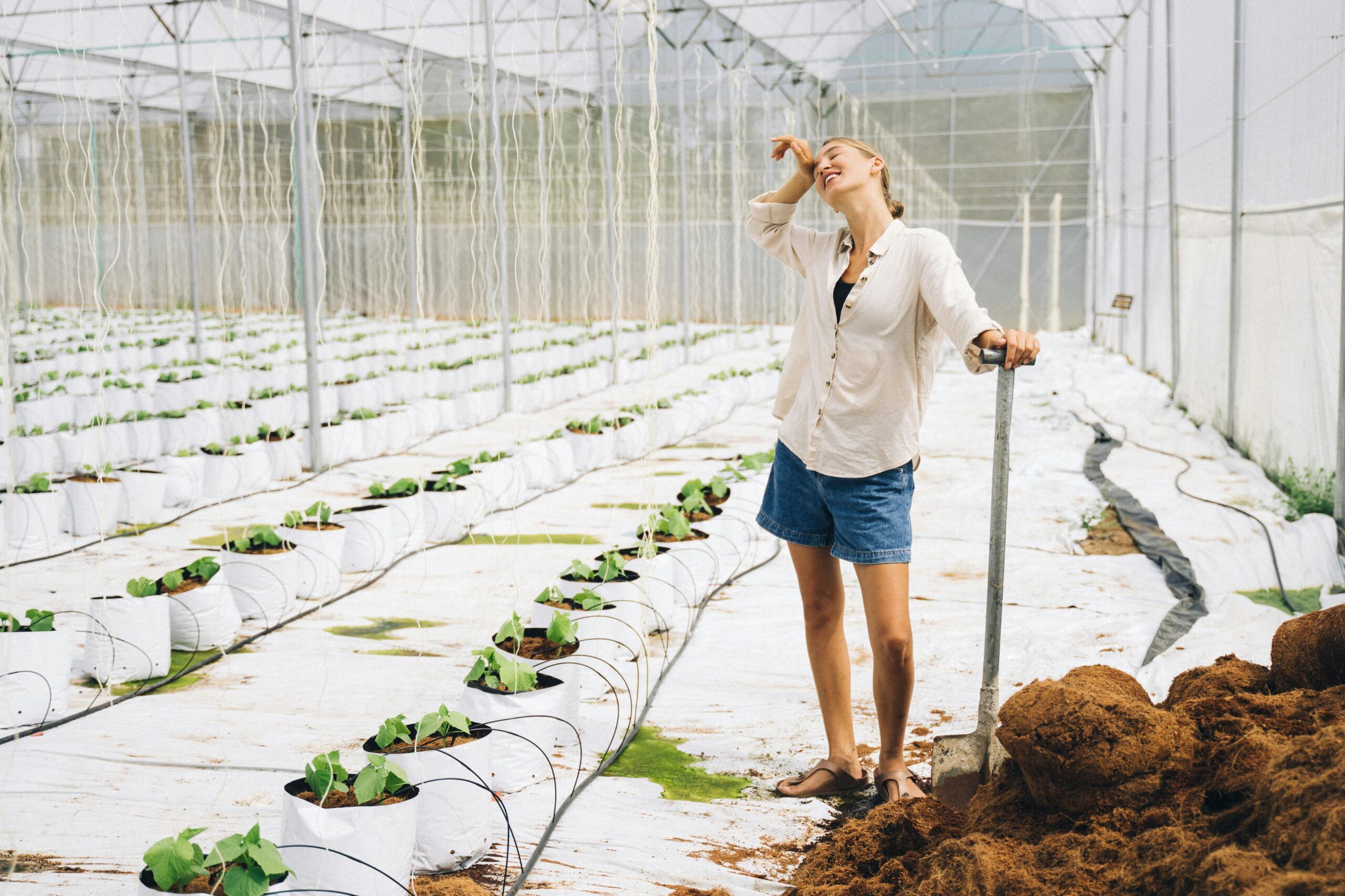
Climate change is pushing ecosystems to their limits, but nature holds keys to survival that scientists are now racing to unlock. As global temperatures soar, understanding how plants thrive in extreme heat has never been more critical.

The resilience of certain plant species to scorching conditions offers hope for agriculture and ecosystem stability. By studying and harnessing high-temperature photosynthesis traits, researchers are developing strategies to secure food production and environmental health for generations facing an increasingly volatile climate. This intersection of plant biology, climate science, and agricultural innovation represents one of humanity’s most promising paths toward adaptation.
🌡️ The Heat Challenge: Why Photosynthesis Struggles in Rising Temperatures
Photosynthesis, the fundamental process that sustains life on Earth, faces unprecedented challenges as temperatures climb. The delicate biochemical machinery responsible for converting sunlight into energy operates within narrow temperature ranges, typically between 15°C and 35°C for most crop species.
When temperatures exceed these thresholds, several critical problems emerge. The enzyme Rubisco, central to carbon fixation, begins to lose its efficiency and increasingly catalyzes a wasteful process called photorespiration. Simultaneously, the thylakoid membranes within chloroplasts become unstable, disrupting electron transport chains essential for energy production.
Water loss through transpiration accelerates dramatically under heat stress, forcing plants to close their stomata to conserve moisture. This protective response inadvertently limits carbon dioxide uptake, creating a vicious cycle that further reduces photosynthetic capacity. The result is stunted growth, reduced yields, and in extreme cases, complete crop failure.
Nature’s Heat Warriors: Plants That Defy Temperature Extremes
Across deserts, tropical regions, and other extreme environments, certain plant species have evolved remarkable adaptations to maintain photosynthetic function despite scorching conditions. These natural survivors offer invaluable blueprints for climate resilience.
Desert plants like Agave and cacti employ Crassulacean Acid Metabolism (CAM), opening stomata at night when temperatures drop, storing carbon dioxide, and processing it during the day with stomata closed. This temporal separation minimizes water loss while maintaining carbon capture efficiency.
Tropical grasses utilizing C4 photosynthesis, including sorghum, maize, and sugarcane, concentrate carbon dioxide around Rubisco through specialized leaf anatomy. This mechanism reduces photorespiration and maintains productivity at temperatures that would cripple C3 plants, which include wheat, rice, and soybeans.
Thermophilic Algae: Lessons from Extreme Environments
Perhaps most instructive are thermophilic algae thriving in hot springs at temperatures exceeding 50°C. These organisms possess heat-stable proteins, modified membrane compositions, and enhanced repair mechanisms that protect photosynthetic apparatus from thermal damage. Their genetic secrets are now being decoded for potential transfer to crop species.
🔬 Decoding the Genetic Architecture of Heat Resilience
Modern genomic technologies have revolutionized our understanding of heat tolerance mechanisms. Researchers employing genome-wide association studies, transcriptomics, and CRISPR gene editing are identifying specific genes and regulatory networks that confer thermal resilience.
Heat shock proteins (HSPs) emerge as central players, acting as molecular chaperones that refold damaged proteins and prevent aggregation during temperature spikes. Varieties with enhanced HSP expression maintain photosynthetic function longer under stress conditions.
Membrane lipid composition also proves critical. Plants with higher proportions of saturated fatty acids in their thylakoid membranes exhibit greater stability at elevated temperatures, maintaining the structural integrity necessary for electron transport and ATP synthesis.
Transcription Factors: Master Switches for Stress Response
Heat stress transcription factors (HSFs) coordinate comprehensive cellular responses to temperature challenges. By activating entire networks of protective genes, these master regulators orchestrate multifaceted defense strategies. Breeding programs targeting HSF variants associated with superior heat tolerance show promising results across multiple crop species.
From Laboratory to Field: Translating Research into Climate-Ready Crops
The journey from identifying heat-resilient traits to deploying improved varieties in farmers’ fields requires careful navigation of scientific, regulatory, and social considerations. Multiple approaches are being pursued simultaneously to accelerate progress.
Traditional breeding programs screen vast germplasm collections for heat-tolerant accessions, crossing these with high-yielding varieties to combine desirable traits. While slower than genetic engineering, this approach faces fewer regulatory hurdles and greater public acceptance in many regions.
Marker-assisted selection leverages genomic knowledge to identify promising seedlings early, dramatically reducing breeding cycle times. By screening for specific DNA markers linked to heat tolerance genes, breeders can focus resources on plants likely to perform well before expensive field trials.
Precision Gene Editing: Targeted Improvements
CRISPR technology enables precise modifications to existing genes without introducing foreign DNA, potentially circumventing some GMO concerns. Scientists are editing promoter regions to increase expression of heat-protective genes and modifying Rubisco to enhance performance at elevated temperatures.
Early field trials demonstrate measurable improvements. Heat-tolerant wheat varieties maintain grain yields 15-20% higher than conventional cultivars when exposed to heat waves during critical reproductive stages. Similar gains are being documented in rice, tomatoes, and legumes.
🌾 Beyond Single Traits: Systems-Level Approaches to Climate Resilience
Sustainable climate adaptation requires moving beyond isolated traits to consider plants as integrated systems operating within complex agricultural ecosystems. This holistic perspective reveals additional opportunities for intervention.
Root architecture significantly influences heat tolerance by determining water and nutrient access. Deeper, more extensive root systems maintain plant hydration during heat waves, supporting continued photosynthesis when shallow-rooted varieties wilt.
Leaf morphology and canopy structure affect microclimate and light capture efficiency. Plants with smaller, more numerous leaves or those capable of leaf angle adjustment can reduce heat load while maintaining adequate photosynthesis.
Microbiome Engineering for Enhanced Resilience
The community of beneficial microorganisms associated with plant roots and leaves emerges as a powerful but underutilized resource. Certain bacterial and fungal species produce heat-protective compounds, enhance nutrient uptake, or improve water use efficiency.
Inoculating crops with carefully selected microbial consortia shows promise for boosting heat tolerance without genetic modification. This approach aligns with organic farming principles while delivering measurable climate adaptation benefits.
Agricultural Management Practices: Maximizing Genetic Potential
Even the most heat-resilient varieties require appropriate management to express their full potential. Integrated approaches combining improved genetics with optimized agronomic practices deliver superior results.
- Irrigation scheduling: Precise water delivery maintains plant hydration without waste, supporting photosynthesis during temperature extremes
- Mulching: Organic or plastic mulches moderate soil temperature and conserve moisture, creating more favorable root zone conditions
- Shade management: Strategic use of shade nets or agroforestry systems reduces heat stress while maintaining adequate light for photosynthesis
- Planting dates: Adjusting sowing times to avoid heat exposure during critical growth stages preserves yield potential
- Nutrition management: Ensuring adequate potassium, calcium, and other nutrients supports heat stress responses and membrane stability
📊 Measuring Success: Evaluating Heat Tolerance Across Scales
Rigorous assessment of heat tolerance requires standardized protocols applicable from controlled environments to production fields. Multiple metrics capture different aspects of thermal resilience.
| Measurement Approach | What It Reveals | Application Context |
|---|---|---|
| Chlorophyll fluorescence | Photosystem II efficiency under stress | Laboratory and field screening |
| Gas exchange measurements | Actual photosynthetic rates and water use | Detailed physiological studies |
| Thermal imaging | Canopy temperature and transpiration | High-throughput field phenotyping |
| Yield stability analysis | Performance across temperature gradients | Multi-environment variety trials |
| Metabolite profiling | Biochemical responses to heat stress | Mechanism discovery research |
High-throughput phenotyping platforms now enable rapid screening of thousands of plants, combining sensors, robotics, and machine learning to identify superior performers. This acceleration of evaluation pipelines dramatically speeds variety development timelines.
Global Collaboration: Sharing Knowledge for Collective Benefit
Climate change respects no borders, making international cooperation essential for developing and deploying heat-resilient crop varieties. Numerous initiatives facilitate knowledge exchange and germplasm sharing.
The International Treaty on Plant Genetic Resources for Food and Agriculture establishes frameworks for accessing diverse genetic material while ensuring benefit-sharing with source countries. This enables breeders worldwide to tap into the full spectrum of natural variation.
CGIAR research centers coordinate global efforts to improve staple crops for climate resilience. Their breeding programs specifically target heat tolerance for tropical and subtropical environments where temperature stress most severely threatens food security.
Digital Tools Democratizing Climate Adaptation
Open-source databases cataloging heat tolerance traits, genomic sequences, and breeding outcomes accelerate progress by preventing duplication of effort. Crop modeling software helps predict variety performance under future climate scenarios, guiding strategic research investments.
🌍 Real-World Impact: Case Studies in Heat-Resilient Agriculture
Across diverse agricultural systems, heat-tolerant varieties are already making measurable differences in farmers’ livelihoods and food security outcomes.
In South Asia, heat-tolerant wheat varieties developed through international collaboration now occupy millions of hectares. These cultivars maintain productivity when late-season heat waves coincide with grain filling, a increasingly common occurrence that previously devastated yields.
Australian cotton breeders have released varieties combining superior heat tolerance with drought resilience, enabling production in regions previously considered marginal. These innovations reduce irrigation requirements while maintaining fiber quality standards demanded by international markets.
West African sorghum farmers benefit from varieties that maintain photosynthetic function above 40°C, ensuring reliable harvests despite extreme temperatures. Local breeding programs adapted these traits to regional preferences for grain characteristics and cooking qualities.
Looking Forward: Next-Generation Strategies for Extreme Heat
As climate projections indicate continued warming, research is already exploring approaches for even more extreme conditions anticipated in coming decades.
Synthetic biology offers possibilities for creating entirely novel photosynthetic pathways optimized for high temperatures. While still largely theoretical, designing carbon fixation mechanisms from first principles could eventually transcend limitations of naturally evolved systems.
Horizontal gene transfer from thermophilic microorganisms might introduce heat-protective mechanisms never before seen in plants. Early experiments transferring archaeal proteins into model species show proof-of-concept, though practical applications require extensive development.
Integrating Artificial Intelligence
Machine learning algorithms analyzing massive datasets from genomics, field trials, and climate models can identify trait combinations and breeding strategies invisible to traditional approaches. AI-guided crop design represents the next frontier in precision agriculture.
Economic Dimensions: The Cost-Benefit Calculus of Climate Adaptation
Investing in heat-resilient agriculture delivers substantial economic returns even before considering climate change impacts. Varieties maintaining productivity across variable conditions provide yield stability that reduces risk for farmers and food systems.
Economic analyses consistently show adaptation investments generating benefit-cost ratios exceeding 3:1, with returns manifesting through avoided losses, insurance premium reductions, and expanded cultivation zones. Public and private sector funding for crop climate adaptation has increased accordingly.
Smallholder farmers in developing regions stand to gain disproportionately, as they lack resources to buffer crop failures through alternative income sources or purchased inputs. Ensuring equitable access to improved varieties remains an ethical and practical priority.
🌱 Empowering Stakeholders: Education and Extension
Scientific breakthroughs achieve impact only when knowledge reaches those who apply it. Comprehensive extension services translate research findings into actionable recommendations for farmers, agronomists, and policymakers.
Demonstration plots showcasing heat-tolerant varieties under local conditions provide convincing evidence of performance advantages. Farmer-to-farmer learning networks accelerate adoption by building trust and sharing context-specific management insights.
Digital extension platforms deliver personalized advice via mobile devices, overcoming geographic barriers to information access. Weather-based alerts help farmers implement heat stress mitigation practices at optimal times.
Policy Frameworks: Enabling Innovation and Deployment
Supportive policies accelerate development and adoption of climate-resilient crops while ensuring safety and equity. Regulatory approaches must balance innovation encouragement with appropriate oversight.
Streamlined approval processes for conventionally bred varieties remove unnecessary delays in delivering improved cultivars to farmers. Some jurisdictions are also developing regulatory pathways for gene-edited crops that differ from traditional GMO frameworks.
Seed system investments ensure farmers access quality planting material of improved varieties. Public-private partnerships can effectively combine research capacity, multiplication infrastructure, and distribution networks.

The Path Forward: Integrating Solutions for Climate-Ready Agriculture
Securing agricultural productivity in a warming world requires deploying every available tool synergistically. Heat-tolerant photosynthesis traits form one essential component of comprehensive climate adaptation strategies.
Success depends on continued research funding, international collaboration, farmer engagement, and policy support. The technical challenges, while substantial, are surmountable given adequate resources and coordination.
The resilience encoded in nature’s heat-adapted plants offers profound hope. By understanding, harnessing, and enhancing these traits through modern science, humanity can build agricultural systems capable of feeding billions despite climate volatility. This work represents not merely agricultural improvement, but investment in civilization’s foundation under changing environmental conditions.
The transition to climate-ready agriculture is already underway, driven by necessity and enabled by innovation. Each heat-tolerant variety released, every farmer adopting resilient practices, and all research breakthroughs revealing nature’s strategies contribute to collective adaptation. The future remains unwritten, but the tools for shaping positive outcomes are increasingly within reach. 🌾