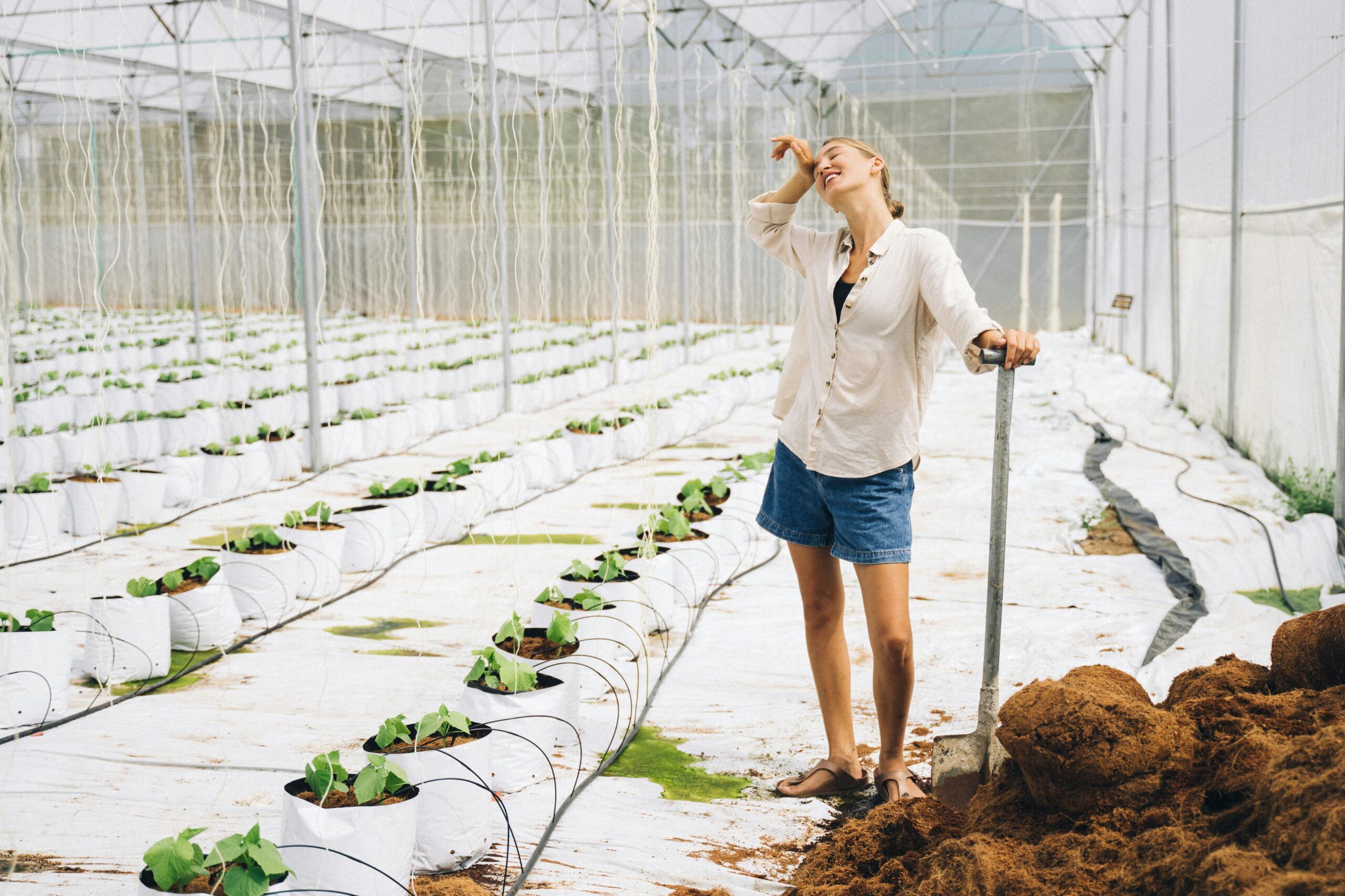
Climate change and increasing water scarcity present unprecedented challenges to global food security. Innovative seed engineering emerges as a powerful solution to ensure agricultural productivity in regions where rainfall is limited and unpredictable.

The agricultural sector stands at a critical crossroads where traditional farming methods struggle to meet the demands of growing populations in arid and semi-arid environments. Through cutting-edge biotechnology and genetic research, scientists are developing revolutionary seed varieties that can thrive with minimal water resources, offering hope to millions of farmers worldwide who face the harsh realities of drought and climate uncertainty.
🌱 The Science Behind Drought-Resistant Seeds
Modern seed engineering leverages advanced genomic technologies to identify and enhance specific traits that enable crops to survive and flourish in water-scarce conditions. Researchers analyze the genetic makeup of naturally drought-tolerant plants to understand the molecular mechanisms that allow them to conserve water, maintain cellular function during stress periods, and recover quickly when moisture becomes available.
CRISPR-Cas9 gene editing technology has revolutionized how scientists approach seed development. This precise tool allows researchers to modify specific genes responsible for water retention, root development, and stress response without introducing foreign DNA from other species. The result is crops that maintain their natural characteristics while gaining enhanced resilience to environmental challenges.
Marker-assisted selection represents another breakthrough in seed engineering. This technique identifies DNA markers linked to desirable traits, accelerating the breeding process from decades to just a few years. Breeders can now select parent plants with superior drought tolerance, deep root systems, and efficient water use, creating offspring that combine multiple beneficial characteristics in a single variety.
Understanding Osmotic Adjustment Mechanisms
One of the most fascinating aspects of drought-resistant seeds involves osmotic adjustment, a process where plants accumulate solutes in their cells to maintain water uptake even when soil moisture is critically low. Engineered seeds enhance this natural mechanism, allowing crops to extract moisture from soil that would normally be too dry to support plant life.
These modified seeds produce higher levels of compatible solutes such as proline, glycine betaine, and trehalose. These compounds protect cellular structures, stabilize proteins, and maintain metabolic processes during water stress. The plants can essentially create their own internal water conservation system, reducing transpiration losses while maintaining photosynthesis and growth.
🔬 Breakthrough Technologies Transforming Seed Development
The integration of artificial intelligence and machine learning has accelerated seed development timelines dramatically. Predictive algorithms analyze vast datasets from field trials, climate patterns, and genetic sequences to identify promising combinations of traits before seeds even enter the testing phase. This computational approach reduces costs and increases the success rate of developing viable drought-resistant varieties.
Synthetic biology introduces entirely new possibilities for seed engineering. Scientists can now design and construct genetic circuits that respond dynamically to environmental conditions. Seeds equipped with these biological sensors can trigger protective mechanisms automatically when drought stress is detected, activating water conservation protocols without human intervention.
Nanotechnology Applications in Seed Coating
Innovative seed coatings incorporating nanoparticles provide another layer of protection and enhancement. These microscopic materials can store and slowly release water directly to germinating seeds, improving establishment rates in dry soil conditions. Nanoparticle coatings also deliver nutrients, beneficial microorganisms, and protective compounds that shield young seedlings during the vulnerable early growth stages.
Some advanced coatings include nanocarriers loaded with plant hormones that promote root growth and stress tolerance. As the seed germinates, these compounds are released in controlled doses, optimizing the seedling’s development and increasing its chances of survival in harsh environments. The technology essentially provides each seed with its own customized support system.
🌍 Real-World Applications and Success Stories
Sub-Saharan Africa has witnessed remarkable transformations through the adoption of drought-resistant maize varieties. Countries like Kenya, Ethiopia, and Zimbabwe have reported yield increases of 20-30% in areas where conventional varieties fail completely during dry seasons. Farmers who previously faced total crop loss now harvest sufficient grain to feed their families and generate income from surplus production.
The Water Efficient Maize for Africa (WEMA) project stands as a testament to the potential of engineered seeds. This initiative has distributed improved varieties to millions of smallholder farmers, combining conventional breeding with biotechnology to create maize that produces reliable yields with 20-30% less rainfall than traditional crops require. The economic impact extends beyond individual farms, stabilizing food prices and reducing regional dependence on imports.
Asian Innovations in Rice Production
Rice cultivation traditionally demands enormous water resources, making it particularly vulnerable to drought conditions. Scientists in Asia have developed aerobic rice varieties that can be grown in non-flooded fields, reducing water requirements by up to 50%. These engineered seeds maintain the grain quality and nutritional value consumers expect while dramatically improving water efficiency.
The Philippines, India, and Bangladesh have pioneered the adoption of submergence-tolerant and drought-resistant rice varieties. The Sub1 gene, introduced through marker-assisted breeding, allows rice plants to survive complete submersion for up to two weeks and also enhances drought tolerance. This dual resilience protects farmers against both flooding and water scarcity, common challenges in monsoon-dependent regions.
💧 Water-Use Efficiency and Root Architecture Engineering
Deep root systems represent one of the most valuable traits for crops in low-rainfall environments. Engineered seeds produce plants with roots that penetrate deeper into the soil profile, accessing water reserves beyond the reach of conventional varieties. This architectural modification allows crops to tap into groundwater and subsurface moisture that remains available long after surface soil has dried completely.
Root-to-shoot ratio optimization ensures that plants invest sufficient resources in underground development without compromising aboveground productivity. Engineered seeds strike this balance precisely, allocating resources efficiently based on environmental conditions. When water is scarce, these plants prioritize root expansion; when moisture improves, they rapidly redirect energy toward vegetative growth and reproduction.
Stomatal Regulation and Transpiration Control
Stomata, the microscopic pores on leaf surfaces, control water loss through transpiration. Advanced seed engineering modifies stomatal density, size, and responsiveness to environmental cues. Modified crops open their stomata during optimal conditions for photosynthesis and close them quickly when water stress is detected, minimizing unnecessary moisture loss while maintaining productivity.
Some engineered varieties feature specialized leaf structures including thicker cuticles and reflective surfaces that reduce water evaporation. These physical modifications complement genetic improvements, creating multi-layered defense systems against drought. The plants essentially wear their own protective armor against desiccation while continuing to capture sunlight for energy production.
🌾 Combining Traditional Knowledge with Modern Innovation
Indigenous farming communities have accumulated centuries of knowledge about crop selection and cultivation in challenging environments. Modern seed engineers increasingly collaborate with traditional farmers, incorporating time-tested insights into new varieties. This fusion respects cultural practices while enhancing crop performance, ensuring that innovations are appropriate and acceptable to end users.
Participatory plant breeding involves farmers directly in the selection and testing process. Communities identify their priorities regarding taste, storability, cooking qualities, and market value alongside agronomic performance. The resulting seeds meet both biological and cultural requirements, increasing adoption rates and ensuring that technological advances translate into real-world impact.
Preserving Genetic Diversity While Advancing Technology
Global seed banks maintain repositories of wild relatives and heirloom varieties that contain untapped genetic resources for drought tolerance. These collections serve as treasure troves for researchers seeking novel traits that can be incorporated into modern cultivars. Preserving diversity ensures that future breeding programs have access to the raw materials needed for continuous improvement.
Conservation agriculture practices complement engineered seeds by protecting soil health and moisture retention. Techniques such as mulching, cover cropping, and minimal tillage work synergistically with improved varieties, creating farming systems that maximize productivity while regenerating natural resources. The combination addresses both immediate food security needs and long-term environmental sustainability.
📊 Economic and Social Impacts of Seed Innovation
The economic benefits of drought-resistant seeds extend far beyond individual harvests. Reduced crop failures stabilize household incomes, enabling families to invest in education, healthcare, and business development. Communities with reliable agricultural production attract investment and infrastructure development, creating positive cycles of economic growth and opportunity.
Food security improvements reduce social tensions and migration pressures that often accompany agricultural crises. When people can produce sufficient food locally, they maintain their cultural connections and community structures rather than being forced into urban areas or refugee situations. Seed innovation thus contributes to social stability and regional peace.
Women Farmers and Agricultural Transformation
Women constitute a significant portion of the agricultural workforce in developing regions, yet they often face barriers to accessing improved seeds and technologies. Targeted programs that ensure women farmers receive drought-resistant varieties and appropriate training have demonstrated exceptional returns on investment, as women typically reinvest their increased earnings in family nutrition, education, and health.
Gender-responsive seed distribution systems account for women’s specific needs, preferences, and constraints. These programs provide varieties suited to crops women traditionally manage, offer training in local languages and culturally appropriate formats, and ensure that women have decision-making authority over the seeds they plant and the harvests they produce.
🚀 Future Directions and Emerging Technologies
The next generation of seed engineering will incorporate climate prediction data and adaptive genetic circuits. Seeds may come equipped with multiple genetic pathways that activate or deactivate based on seasonal conditions, essentially providing several varieties in one package. This genetic flexibility would allow crops to respond optimally to unpredictable weather patterns and shifting climate zones.
Microbiome engineering represents an exciting frontier where seeds are designed to attract and nurture beneficial soil microorganisms. These microbial partnerships enhance nutrient uptake, improve water access, and provide disease protection. The seeds effectively recruit their own support team from the soil ecosystem, creating resilient plant-microbe systems adapted to local conditions.
Digital Agriculture and Precision Seed Selection
Mobile applications and satellite imagery enable farmers to make data-driven decisions about which seed varieties to plant based on predicted rainfall patterns, soil conditions, and market demands. These digital tools democratize access to information previously available only to large commercial operations, empowering smallholder farmers to optimize their choices and maximize returns.
Blockchain technology may soon track seed provenance and performance data, creating transparent supply chains that reward quality and verify claims about drought resistance. Farmers could access detailed information about seed performance in similar environments, making informed purchasing decisions based on peer experiences rather than marketing promises alone.
🌟 Overcoming Challenges and Building Trust
Public perception and regulatory frameworks significantly influence the adoption of engineered seeds. Clear communication about safety, benefits, and testing protocols helps build trust among farmers, consumers, and policymakers. Transparency regarding the development process and open access to research data address concerns and demonstrate the rigorous science underlying new varieties.
Regulatory harmonization across countries would accelerate the deployment of drought-resistant seeds to farmers who need them most urgently. Streamlined approval processes that maintain safety standards while reducing bureaucratic delays could save years in bringing innovations to market. Regional cooperation on testing and approval would particularly benefit smallholder farmers in developing nations.
Intellectual property frameworks must balance innovation incentives with farmer rights and affordability. Models that ensure reasonable returns for research investment while keeping seeds accessible to subsistence farmers require careful design and international cooperation. Humanitarian licensing agreements and public-private partnerships offer promising approaches to this complex challenge.

🌈 A Resilient Agricultural Future
The transformation of agriculture through innovative seed engineering offers genuine hope for feeding humanity in an era of climate uncertainty. As water resources become increasingly scarce and rainfall patterns shift unpredictably, crops that thrive under stress conditions become essential rather than optional. The technologies being developed today will determine whether billions of people face hunger or prosperity in the decades ahead.
Success requires continued investment in research, supportive policies that encourage innovation while protecting farmers and consumers, and collaborative efforts that bridge the gap between laboratory discoveries and field applications. Every drought-resistant seed planted represents a small victory against climate change impacts, a step toward food security, and an investment in human dignity and potential.
The revolution in seed engineering is not merely about producing more food with less water—it represents a fundamental reimagining of humanity’s relationship with agriculture and the environment. By working with nature’s mechanisms rather than against them, by combining cutting-edge science with traditional wisdom, and by prioritizing the needs of the most vulnerable farming communities, we can create an agricultural system that sustains both people and planet for generations to come.