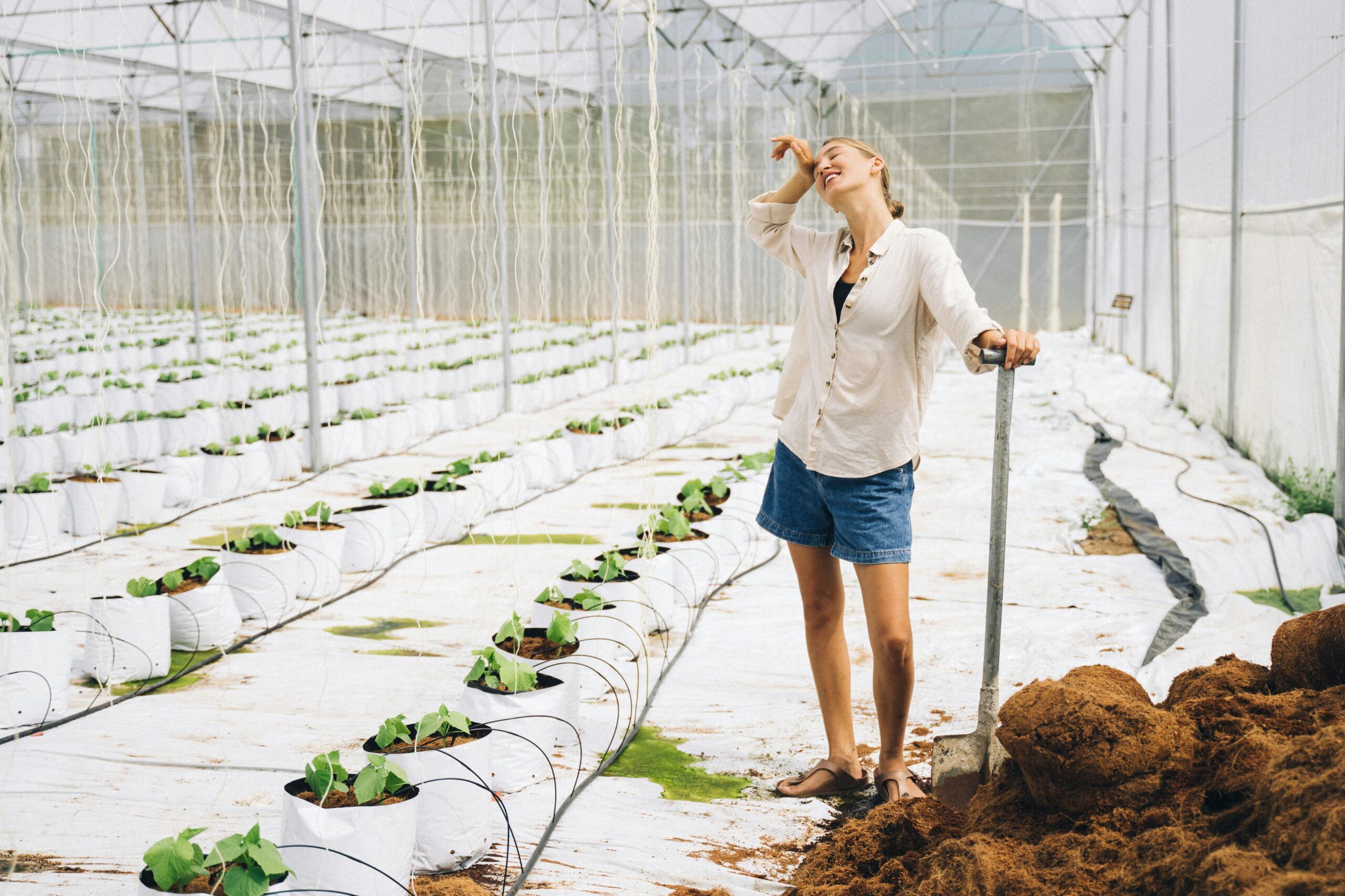
The future of our planet depends on the seeds we plant today. Sustainable seed evolution represents a transformative approach to agriculture that balances human needs with environmental preservation, creating resilient food systems for generations to come.

As global populations continue to rise and climate patterns become increasingly unpredictable, the role of seeds in our agricultural systems has never been more critical. Traditional farming practices, while foundational to human civilization, now face unprecedented challenges that demand innovative solutions. Sustainable seed evolution emerges as a beacon of hope, combining ancient wisdom with modern science to create varieties that can withstand environmental stresses while reducing our ecological footprint.
🌱 Understanding Sustainable Seed Evolution
Sustainable seed evolution refers to the development and preservation of plant varieties through methods that prioritize environmental health, biodiversity, and long-term agricultural viability. Unlike conventional seed development that often focuses solely on yield maximization, this approach considers the entire ecosystem in which plants grow.
This methodology encompasses traditional plant breeding techniques, participatory variety selection, and careful integration of modern biotechnology when appropriate. The goal is to create seeds that perform well under diverse conditions while maintaining genetic diversity and reducing dependence on synthetic inputs like pesticides and fertilizers.
The foundation of sustainable seed evolution lies in understanding that seeds are not merely commodities but living repositories of genetic information accumulated over millennia. Each variety carries traits that have enabled survival through countless environmental challenges, droughts, floods, and pest pressures. Preserving this genetic heritage while enhancing beneficial characteristics represents the core philosophy of sustainable seed development.
The Environmental Imperative Behind Seed Innovation
Climate change has fundamentally altered the agricultural landscape. Temperature fluctuations, irregular rainfall patterns, and extreme weather events have made traditional crop varieties increasingly vulnerable. Sustainable seed evolution addresses these challenges by developing varieties with enhanced resilience to environmental stresses.
Drought-tolerant varieties, for instance, can maintain productivity with significantly less water, a critical feature as freshwater resources become scarce. Similarly, heat-resistant crops ensure food security in regions experiencing rising temperatures. These adaptations are not achieved through laboratory manipulation alone but through careful selection and breeding programs that honor natural evolutionary processes.
Biodiversity as the Ultimate Insurance Policy
Agricultural biodiversity serves as nature’s insurance against catastrophic crop failures. When farmers cultivate multiple varieties rather than monocultures, they create systems that can better withstand pest outbreaks, diseases, and environmental fluctuations. Sustainable seed evolution actively promotes this diversity by maintaining seed banks and encouraging farmers to grow heritage and locally-adapted varieties.
The Irish Potato Famine of the 1840s stands as a stark reminder of monoculture vulnerability. The over-reliance on a single potato variety led to widespread devastation when blight struck. Modern sustainable seed programs work to prevent such scenarios by ensuring genetic diversity remains embedded in our food production systems.
🔬 Bridging Traditional Knowledge and Modern Science
Indigenous communities and traditional farmers have been practicing seed selection and preservation for thousands of years. Their accumulated knowledge about which plants thrive in specific microclimates, soil types, and weather conditions represents an invaluable resource for sustainable agriculture.
Modern sustainable seed evolution programs increasingly incorporate this traditional ecological knowledge alongside contemporary scientific methods. Participatory plant breeding initiatives bring farmers and scientists together, combining empirical data with generational wisdom. This collaboration ensures that new varieties meet practical farming needs while respecting cultural practices and local environmental conditions.
Farmers who have maintained seed-saving traditions possess varieties specifically adapted to their local ecosystems. These landraces often contain genetic traits that commercial varieties lack, such as resistance to specific regional pests or the ability to thrive in marginal soils. Integrating these genetics into modern breeding programs creates seeds that are both productive and resilient.
Economic Benefits of Sustainable Seed Systems
Transitioning to sustainable seed evolution offers significant economic advantages for farmers and communities. By reducing dependence on purchased hybrid seeds that cannot be saved and replanted, farmers gain greater autonomy and lower their input costs. This independence is particularly valuable for smallholder farmers in developing nations where access to commercial seeds and agricultural inputs may be limited or expensive.
Open-pollinated and heritage varieties allow farmers to save seeds from their best-performing plants year after year, creating a self-sustaining seed supply adapted specifically to their fields. This practice not only saves money but also enables continuous improvement as farmers select for traits that matter most in their particular circumstances.
Building Resilient Local Economies
Sustainable seed systems support local economies by keeping agricultural resources and knowledge within communities. Seed exchanges, community seed banks, and local breeding initiatives create networks of cooperation and knowledge-sharing that strengthen social bonds while improving food security.
These systems also create opportunities for entrepreneurship, as farmers who develop particularly successful varieties can share or sell seeds to others in their region. This decentralized approach to seed development and distribution builds economic resilience while preserving agricultural biodiversity.
🌾 Organic Agriculture and Seed Evolution Synergy
Sustainable seed evolution and organic farming practices work hand-in-hand to create truly regenerative agricultural systems. Seeds developed specifically for organic production perform better without synthetic fertilizers and pesticides, as they are bred and selected under organic conditions from the beginning.
Conventional breeding programs typically develop varieties in high-input environments with abundant synthetic fertilizers and chemical pest control. When these varieties are planted in organic systems, they often underperform because they lack traits necessary for thriving in lower-input conditions. Organically-bred seeds, conversely, develop robust root systems, enhanced nutrient uptake efficiency, and natural pest resistance.
The symbiotic relationship between plants and soil microorganisms becomes particularly important in organic systems. Sustainable seed evolution programs increasingly select for varieties that effectively partner with beneficial bacteria and mycorrhizal fungi, enhancing nutrient availability and plant health without chemical inputs.
Conservation Through Cultivation
Seed banks and gene banks play crucial roles in preserving genetic diversity, but conservation in cold storage represents only half the solution. Living cultivation of diverse varieties ensures that seeds continue to evolve and adapt to changing conditions while maintaining their viability and cultural significance.
On-farm conservation, where farmers actively grow and maintain diverse crop varieties, keeps seeds dynamic and responsive to environmental changes. This approach, sometimes called conservation through use, ensures that varieties continue to develop traits beneficial for current and future conditions rather than remaining frozen in time.
Community Seed Libraries: Democratizing Access
Community seed libraries have emerged as powerful tools for preserving agricultural biodiversity while making diverse seeds accessible to home gardeners and small-scale farmers. These libraries operate on sharing principles: members borrow seeds, grow them, and return a portion of their harvest to the library for others to use.
This model builds resilience at the grassroots level, educates communities about seed saving, and creates networks of growers who share knowledge and experiences. Seed libraries have proliferated globally, with thousands now operating in public libraries, community centers, and educational institutions.
🌍 Global Food Security and Seed Sovereignty
Food security depends fundamentally on seed security. When farmers lose access to diverse, locally-adapted seeds, their ability to feed themselves and their communities becomes compromised. Sustainable seed evolution supports food sovereignty—the right of peoples to define their own food and agriculture systems.
Corporate consolidation in the seed industry has raised concerns about access, affordability, and appropriateness of seeds for diverse growing conditions. A handful of multinational corporations now control the majority of the global commercial seed market, often prioritizing varieties suited for industrial agriculture over those adapted to small-scale or subsistence farming.
Sustainable seed movements advocate for policies and practices that protect farmers’ rights to save, exchange, and sell seeds. These efforts recognize that seeds represent cultural heritage and common resources rather than mere commodities. International agreements like the International Treaty on Plant Genetic Resources for Food and Agriculture work to balance intellectual property rights with farmers’ rights and conservation goals.
Adapting to Regional Challenges Through Localized Breeding
One-size-fits-all approaches to agriculture fail to account for the tremendous diversity of growing conditions across the planet. Sustainable seed evolution emphasizes developing varieties specifically suited to regional environmental conditions, cultural preferences, and farming systems.
In arid regions, breeding programs focus on drought tolerance and water efficiency. Coastal areas benefit from varieties with salt tolerance. Regions with short growing seasons require early-maturing crops. By tailoring varieties to specific conditions, sustainable seed evolution maximizes productivity while minimizing resource inputs and environmental stress.
Success Stories From Around the World
Numerous successful sustainable seed initiatives demonstrate the power of this approach. In Nepal, community seed banks managed by farmers have preserved hundreds of traditional rice varieties while improving food security and farmer incomes. In Mexico, indigenous communities continue to cultivate and evolve ancient corn varieties despite commercial pressures, maintaining genetic diversity critical for global food security.
African initiatives have developed drought-tolerant varieties of staple crops like millet and sorghum, enabling communities to maintain agricultural productivity despite increasingly erratic rainfall. These successes share common elements: farmer participation, respect for traditional knowledge, and commitment to maintaining genetic diversity.
🌿 Permaculture Principles in Seed Development
Permaculture design principles align closely with sustainable seed evolution goals. Both emphasize working with natural systems rather than against them, valuing diversity, and creating self-sustaining cycles. Integrating permaculture thinking into seed development leads to varieties that function well within polyculture systems and contribute to overall ecosystem health.
Perennial crops, for example, offer tremendous sustainability advantages over annual crops. They require less soil disturbance, develop deeper root systems that prevent erosion and sequester carbon, and need fewer inputs once established. Sustainable seed programs increasingly focus on developing and promoting perennial varieties of important food crops.
Companion planting relationships also inform seed selection. Varieties that support beneficial insects, fix nitrogen, or provide ground cover contribute to whole-system health. Sustainable seed evolution considers these ecological interactions, not just individual plant performance.
Policy Frameworks Supporting Sustainable Seeds
Effective policies are essential for supporting sustainable seed evolution. Regulations that protect farmers’ rights to save and exchange seeds, public funding for participatory breeding programs, and protection of agricultural biodiversity all contribute to creating enabling environments for sustainable seed systems.
Some countries have implemented progressive seed laws that recognize farmer-developed varieties and create pathways for their legal commercialization alongside corporate seeds. Others have established national seed banks and breeding programs focused specifically on developing varieties suited to organic and low-input agriculture.
International cooperation also plays a vital role. The Svalbard Global Seed Vault in Norway serves as a backup for seed collections worldwide, while international research centers like those in the CGIAR network conduct breeding programs focused on crops important for developing nations.
💚 Taking Action: What Individuals Can Do
Supporting sustainable seed evolution does not require being a farmer or plant breeder. Gardeners, consumers, and citizens can all contribute to this important movement through everyday choices and actions.
Growing heritage and open-pollinated varieties in home gardens helps maintain genetic diversity. Purchasing from farmers who grow diverse crops and save their own seeds supports sustainable agriculture economically. Joining or starting a seed library creates community infrastructure for seed preservation and knowledge sharing.
Learning basic seed-saving techniques empowers individuals to participate directly in seed evolution. Many vegetables and flowers are easy to save seed from, requiring no special equipment or expertise. As more people gain these skills, collective capacity for maintaining agricultural biodiversity grows.
Education and Advocacy
Raising awareness about the importance of seed diversity and sustainable agriculture creates the cultural shift necessary for systemic change. Supporting organizations working on seed issues through donations or volunteering amplifies their impact. Advocating for policies that protect farmer seed rights and support public plant breeding programs helps create favorable conditions for sustainable seed systems.
Educational initiatives that teach children about seeds, plants, and food systems cultivate the next generation of stewards who will continue advancing sustainable agriculture. School gardens, seed-starting projects, and farm visits create formative experiences that shape lifelong values and behaviors.
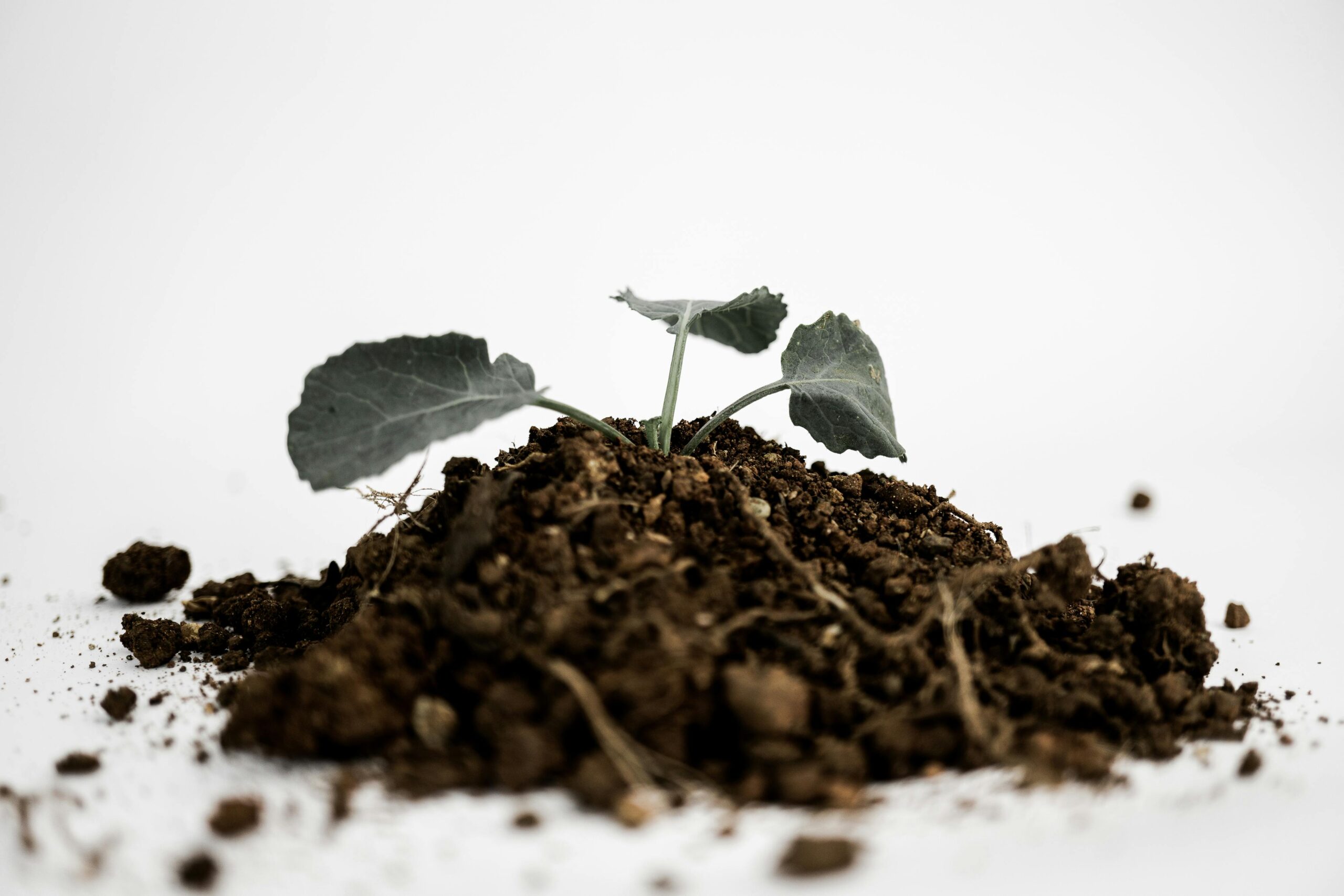
The Path Forward: Nurturing Seeds of Change
Sustainable seed evolution represents far more than agricultural technique—it embodies a fundamental shift in how humanity relates to the plants that sustain us. By recognizing seeds as living heritage rather than industrial inputs, we open possibilities for agriculture that heals rather than harms our planet.
The transition to truly sustainable food systems requires transforming seed systems at their foundation. This means supporting diverse approaches to plant breeding, protecting genetic resources, honoring traditional knowledge, and ensuring that farmers and communities maintain control over their seed supplies.
Technology will continue playing important roles, from DNA analysis that helps identify valuable traits to apps that help farmers share information and coordinate seed exchanges. However, technology must serve the broader goals of sustainability, equity, and environmental stewardship rather than dictating our approach to agriculture.
The seeds we cultivate today will determine what is possible tomorrow. Every seed planted represents a choice—to support diversity or monoculture, resilience or fragility, autonomy or dependence. Sustainable seed evolution offers a pathway toward agricultural systems that nourish people and planet alike, ensuring that future generations inherit not just seeds, but the living genetic wealth and knowledge necessary to continue adapting and thriving.
As we face unprecedented environmental challenges, the humble seed emerges as a powerful tool for positive change. Through conscious choices about which varieties we grow, preserve, and share, we participate in shaping a greener, more resilient future. The power to cultivate tomorrow lies quite literally in our hands, waiting in every seed we sow.