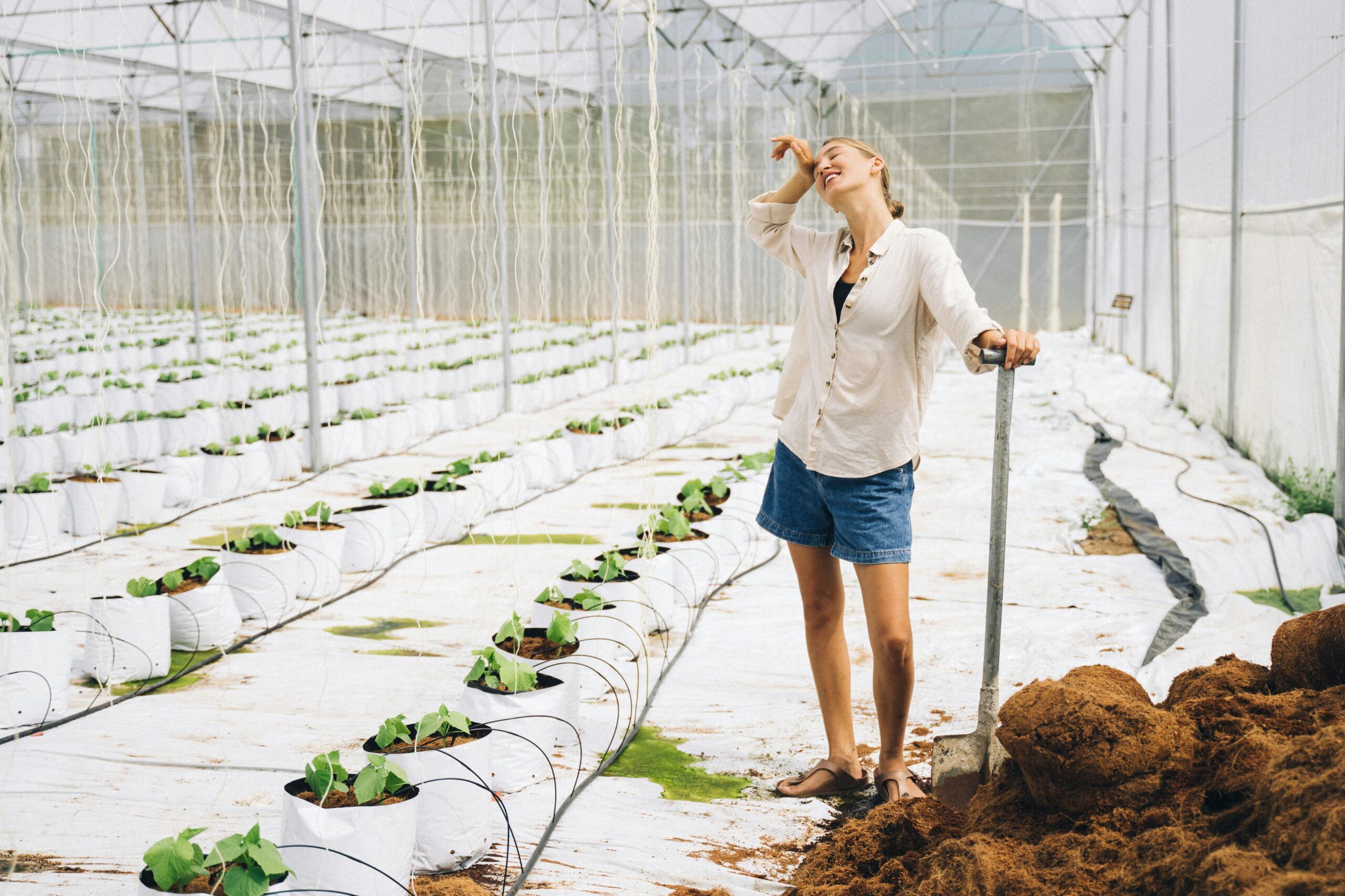
The convergence of plant biology and cellular engineering is opening unprecedented pathways for sustainable innovation. Hybrid plant-cell proteins represent a groundbreaking frontier where nature’s resilience meets cutting-edge biotechnology, promising solutions to humanity’s most pressing challenges.

As our planet grapples with climate change, food security concerns, and resource depletion, scientists are turning to biomimicry and molecular engineering to create revolutionary materials and nutritional solutions. The development of hybrid plant-cell proteins stands at the intersection of these critical needs, offering a pathway toward environmental restoration while meeting the demands of a growing global population.
🌱 Understanding Hybrid Plant-Cell Proteins: A New Scientific Paradigm
Hybrid plant-cell proteins are engineered biomolecules that combine the structural and functional properties of plant-derived proteins with cellular components from various organisms. This innovative approach leverages synthetic biology techniques to create proteins with enhanced characteristics that neither source could achieve independently.
Unlike traditional genetic modification, which typically involves introducing single genes into organisms, hybrid protein engineering involves the sophisticated integration of protein domains from different biological kingdoms. Researchers can now design proteins that exhibit the photosynthetic efficiency of plants, the structural resilience of bacterial cell walls, and the functional versatility of mammalian cellular proteins.
The molecular architecture of these hybrid proteins involves carefully selected amino acid sequences that maintain stability while performing multiple functions simultaneously. This precision engineering allows scientists to create proteins that can self-assemble into complex structures, respond to environmental stimuli, and perform catalytic functions with remarkable efficiency.
The Scientific Mechanisms Behind Protein Hybridization
Creating functional hybrid plant-cell proteins requires a deep understanding of protein folding, domain architecture, and molecular interactions. Scientists utilize advanced computational modeling to predict how different protein segments will interact when combined, ensuring that the resulting hybrid maintains structural integrity and functional capability.
The process typically begins with identifying specific protein domains that carry desirable traits—such as drought resistance from desert plants, nutrient absorption efficiency from fungal cells, or structural strength from woody plant tissues. These domains are then genetically encoded and expressed in host organisms, often bacteria or yeast, which serve as biological factories for protein production.
Key Technologies Enabling Protein Engineering
Several breakthrough technologies have made hybrid protein development possible. CRISPR-Cas9 gene editing allows for precise insertion of genetic sequences, while directed evolution techniques enable researchers to optimize protein performance through iterative improvement cycles. Additionally, cryo-electron microscopy provides unprecedented visualization of protein structures at atomic resolution, guiding design refinements.
Machine learning algorithms have become indispensable tools in this field, analyzing vast datasets of protein structures to predict successful hybrid combinations. These AI-powered systems can identify compatible protein domains that human researchers might overlook, accelerating the discovery process significantly.
🌍 Environmental Applications: Healing Our Planet
The environmental potential of hybrid plant-cell proteins extends far beyond laboratory curiosity. These engineered biomolecules offer practical solutions for ecosystem restoration, pollution remediation, and climate change mitigation.
One particularly promising application involves carbon sequestration. Researchers have developed hybrid proteins that enhance photosynthetic efficiency in crops and engineered organisms, potentially capturing atmospheric carbon dioxide more effectively than natural processes. These proteins incorporate elements from highly efficient photosynthetic bacteria with structural components from C4 plants, creating super-efficient carbon fixation systems.
Bioremediation Through Engineered Proteins
Environmental cleanup efforts are being revolutionized through hybrid proteins designed to break down persistent pollutants. By combining enzyme domains from pollution-degrading bacteria with binding proteins from plants that accumulate heavy metals, scientists have created molecular tools capable of neutralizing contaminated soil and water.
These hybrid proteins can be introduced into plant species that naturally thrive in degraded environments, creating living remediation systems that require minimal maintenance. Field trials have demonstrated that engineered plants expressing these hybrid proteins can reduce soil contamination levels by up to 60% within a single growing season.
🍽️ Revolutionizing Food Production and Nutrition
Perhaps the most immediate impact of hybrid plant-cell proteins lies in sustainable food production. As global protein demand continues to rise, conventional animal agriculture faces sustainability challenges related to land use, water consumption, and greenhouse gas emissions.
Hybrid proteins offer a compelling alternative by enabling the production of nutritionally complete proteins using minimal resources. These engineered proteins can replicate the amino acid profiles of animal proteins while being produced through cellular agriculture—growing protein-rich tissues in bioreactors rather than raising livestock.
Nutritional Advantages of Engineered Proteins
Scientists can design hybrid proteins with optimized nutritional profiles, incorporating essential amino acids, vitamins, and minerals directly into the protein structure. This approach creates functional foods that address specific dietary deficiencies common in vulnerable populations.
For instance, researchers have developed hybrid proteins that combine the complete amino acid profile of animal proteins with the prebiotic fiber components of plant cell walls. These multifunctional proteins support both protein nutrition and digestive health simultaneously, representing a significant advancement over single-purpose food ingredients.
Industrial Applications: Sustainable Materials Innovation
Beyond food and environmental applications, hybrid plant-cell proteins are transforming materials science. The textile, packaging, and construction industries are exploring these biomolecules as sustainable alternatives to petroleum-based materials.
Spider silk has long been admired for its remarkable strength-to-weight ratio, but harvesting it from spiders is impractical. By combining silk protein genes with plant cell production systems, researchers have created hybrid proteins that can be produced at scale in genetically modified crops. The resulting fibers exhibit similar mechanical properties to natural spider silk while being producible through agricultural methods.
Biodegradable Packaging Solutions 📦
The global plastic pollution crisis demands innovative solutions. Hybrid plant-cell proteins provide the basis for creating strong, flexible, and completely biodegradable packaging materials. These bio-based plastics combine the structural proteins from plant cell walls with adhesive proteins from marine organisms, resulting in materials that perform comparably to conventional plastics but decompose harmlessly in natural environments.
Commercial applications are already emerging, with several companies producing packaging films, containers, and protective materials from engineered protein systems. These products represent not just environmental benefits but also economic opportunities in the growing bioeconomy sector.
Medical and Pharmaceutical Breakthroughs
The pharmaceutical industry is leveraging hybrid plant-cell proteins for drug development and therapeutic applications. These engineered proteins serve as delivery vehicles for medications, targeting systems for cancer treatments, and scaffolds for tissue engineering.
Plant-based production systems offer significant advantages for pharmaceutical manufacturing. Hybrid proteins can be produced in contained agricultural facilities with lower contamination risks compared to mammalian cell cultures. This approach has already been validated through the production of vaccines and therapeutic antibodies in engineered tobacco plants.
Regenerative Medicine Applications
Tissue engineering represents one of the most exciting frontiers for hybrid protein technology. By creating proteins that mimic the extracellular matrix—the structural scaffold surrounding cells in tissues—researchers can develop biocompatible materials for regenerating damaged organs and tissues.
These hybrid scaffolds combine the biocompatibility of plant-derived proteins with signaling domains from human proteins, creating environments that encourage cell growth and tissue formation. Clinical trials are underway for hybrid protein scaffolds in wound healing, cartilage repair, and even organ regeneration.
⚡ Challenges and Ethical Considerations
Despite tremendous promise, hybrid plant-cell protein technology faces significant challenges. Regulatory frameworks must evolve to address these novel organisms and products, balancing innovation with safety considerations. Public acceptance remains a crucial factor, particularly regarding genetically modified organisms in food production.
Ethical debates surrounding synthetic biology extend to hybrid proteins. Questions arise about intellectual property rights over engineered organisms, equitable access to biotechnology benefits, and potential ecological impacts of releasing engineered organisms into natural environments.
Ensuring Biosafety and Environmental Protection
Comprehensive risk assessment protocols are essential for hybrid protein applications. Researchers must evaluate potential unintended consequences, including ecological disruption if engineered organisms escape containment, allergenicity risks in food applications, and long-term environmental persistence of novel proteins.
International scientific bodies are developing standardized testing protocols to ensure that hybrid protein products meet rigorous safety standards before commercial release. These frameworks draw on decades of experience with conventional genetic modification while addressing the unique characteristics of hybrid protein systems.
The Economic Landscape and Market Potential 💰
The hybrid protein sector represents a rapidly growing market segment within the broader bioeconomy. Investment in protein engineering startups has surged in recent years, with venture capital flowing toward companies developing sustainable protein sources, biomaterials, and pharmaceutical applications.
Economic analyses suggest that the alternative protein market alone could reach $290 billion by 2035, with hybrid plant-cell proteins comprising a significant portion. This growth is driven by consumer demand for sustainable products, corporate sustainability commitments, and increasing regulatory pressure on environmentally damaging industries.
Creating Green Jobs and Economic Opportunities
The transition toward bio-based economies powered by engineered proteins promises substantial employment creation. New career paths are emerging in biotechnology research, bioprocess engineering, agricultural biotechnology, and quality assurance for novel food products.
Developing nations particularly stand to benefit from this technological revolution, as protein engineering can be adapted to local agricultural systems and environmental conditions. Capacity building in synthetic biology could enable these regions to address food security, environmental degradation, and economic development simultaneously.
🔬 Future Directions: What Lies Ahead
The field of hybrid plant-cell proteins continues evolving rapidly. Next-generation technologies promise even more sophisticated protein engineering capabilities, including real-time design optimization, automated protein production systems, and integration with artificial intelligence for predictive modeling.
Researchers are exploring increasingly ambitious applications, from atmospheric carbon capture systems deployed at planetary scales to engineered organisms that could support human colonization of other worlds. These visions, while speculative, build upon solid scientific foundations established through current hybrid protein research.
Integration with Other Emerging Technologies
The convergence of hybrid protein engineering with other cutting-edge fields amplifies potential impacts. Nanotechnology integration enables protein-based devices at molecular scales. Quantum computing could revolutionize protein design by solving complex folding problems currently beyond classical computational capacity.
The Internet of Things and sensor technologies could enable smart agricultural systems where crops expressing hybrid proteins respond dynamically to environmental conditions, optimizing resource use and productivity without human intervention.
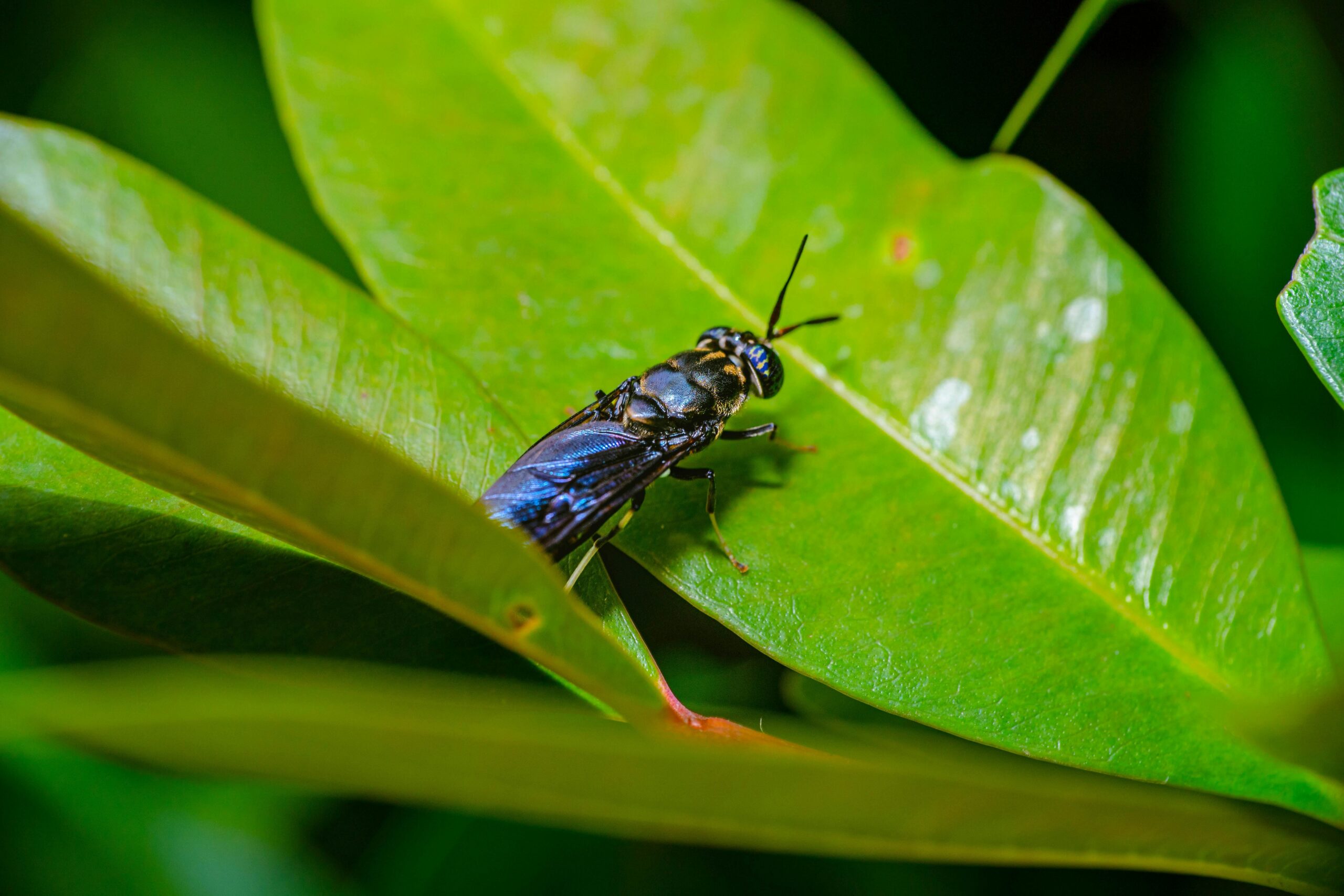
Building a Sustainable Future Through Biological Innovation 🌟
Hybrid plant-cell proteins represent more than scientific curiosity—they embody humanity’s capacity to work with nature’s principles to solve pressing global challenges. By understanding and redesigning biological systems at the molecular level, we gain powerful tools for creating a more sustainable, equitable, and resilient civilization.
The transition toward bio-based solutions requires coordinated efforts across scientific disciplines, industries, governments, and civil society. Success depends not only on technological advancement but also on thoughtful governance, public engagement, and commitment to ethical principles that prioritize environmental stewardship and human welfare.
As research progresses and applications mature, hybrid plant-cell proteins will likely become integral to daily life—in the foods we eat, the materials we use, the medicines we take, and the environmental restoration efforts that heal damaged ecosystems. This biological revolution offers genuine hope for addressing the intertwined crises of climate change, biodiversity loss, and resource depletion.
The journey toward fully realizing this potential continues, driven by curiosity, innovation, and recognition that sustainable solutions must work in harmony with natural systems rather than against them. Hybrid plant-cell proteins illuminate a path forward where human ingenuity enhances rather than depletes the living world, creating abundance through biological wisdom rather than extraction and exploitation.