The global food system stands at a critical crossroads, facing unprecedented challenges from climate change, resource depletion, and a rapidly growing population projected to reach nearly 10 billion by 2050.

Traditional agricultural methods, while having sustained humanity for millennia, now contribute significantly to greenhouse gas emissions, deforestation, and water scarcity. Enter biofabricated food systems—a revolutionary approach that promises to transform how we produce, consume, and think about food. These innovative technologies harness cellular agriculture, precision fermentation, and synthetic biology to create nutritious foods with minimal environmental impact, offering a sustainable pathway forward for our planet’s food security.
🔬 Understanding Biofabricated Food Systems
Biofabricated food represents a paradigm shift in food production, utilizing biological processes to create food products at the cellular or molecular level. Unlike conventional agriculture that requires vast expanses of land, significant water resources, and lengthy growth cycles, biofabrication occurs in controlled environments where conditions are optimized for efficiency and sustainability.
The technology encompasses several distinct approaches. Cellular agriculture grows animal products directly from cells, eliminating the need to raise and slaughter livestock. Precision fermentation programs microorganisms to produce specific proteins, fats, and other nutrients. Meanwhile, biomass fermentation cultivates fungi, algae, and bacteria to create protein-rich ingredients that can replace traditional animal products.
These systems operate within bioreactors—sophisticated vessels that maintain optimal temperature, pH levels, oxygen supply, and nutrient delivery. This controlled environment ensures consistent product quality while dramatically reducing the variables that plague traditional farming, from weather patterns to disease outbreaks.
The Environmental Imperative Behind Food Innovation 🌍
The urgency driving biofabricated food development cannot be overstated. Current livestock production occupies approximately 77% of global agricultural land yet provides only 18% of our caloric intake. This inefficiency carries devastating environmental consequences that demand immediate attention and innovative solutions.
Animal agriculture generates approximately 14.5% of global greenhouse gas emissions, contributing more to climate change than the entire transportation sector. The industry also consumes roughly one-third of the world’s freshwater resources and serves as the leading driver of deforestation, particularly in biodiversity hotspots like the Amazon rainforest.
Resource Efficiency Comparisons
The resource savings achieved through biofabricated systems are remarkable when compared to conventional meat production. Cultured meat production requires up to 96% less water, 99% less land, and generates 96% fewer greenhouse gas emissions than traditional beef farming. These figures represent not incremental improvements but transformative changes in our food production footprint.
Precision fermentation demonstrates similar efficiency gains. Producing dairy proteins through fermentation uses approximately 97% less land and emits 84% fewer greenhouse gases compared to conventional dairy farming. These dramatic reductions in resource consumption position biofabricated foods as essential tools in combating climate change while meeting global nutritional needs.
🥩 Cultivated Meat: From Laboratory to Dinner Table
Cultivated meat, also known as cell-based or cultured meat, represents perhaps the most recognizable face of biofabricated food technology. The process begins with a small sample of animal cells, typically obtained through a harmless biopsy. These cells are then placed in a nutrient-rich medium that mimics the conditions inside an animal’s body.
As the cells multiply and differentiate, they form muscle tissue identical to conventionally produced meat at the cellular level. The entire process typically takes between two to eight weeks, depending on the product. The result is genuine meat—not an imitation or substitute—that requires no animal slaughter and can be produced continuously without seasonal limitations.
Current Market Developments
Singapore made history in 2020 by becoming the first country to approve cultured meat for commercial sale. Since then, the United States, Israel, and other nations have followed suit, signaling growing regulatory acceptance of these products. Major food companies and startups have invested billions of dollars into scaling production and reducing costs.
Companies like Upside Foods, Mosa Meat, and Aleph Farms have successfully produced cultivated chicken, beef, and even steak cuts. While current production costs remain higher than conventional meat, industry experts predict price parity within the next five to ten years as manufacturing processes scale and optimize.
Precision Fermentation: Nature’s Molecular Factories ⚗️
Precision fermentation leverages the remarkable capabilities of microorganisms to produce specific target molecules. Scientists insert genetic instructions into bacteria, yeast, or fungi, programming them to manufacture proteins, fats, vitamins, and other compounds identical to those found in animal products.
This technology is already revolutionizing dairy production. Companies like Perfect Day produce whey and casein proteins—the primary proteins in cow’s milk—using precision fermentation. These proteins are then used to create ice cream, cheese, and milk that are molecularly identical to traditional dairy products but require no cows, no pastures, and no industrial dairy farms.
Beyond Dairy Applications
The applications of precision fermentation extend far beyond dairy alternatives. Companies are producing heme—the iron-containing molecule that gives meat its characteristic flavor and appearance—to enhance plant-based burgers. Others are creating egg whites, collagen for cosmetics and food applications, and even rare ingredients like saffron and vanilla that are traditionally expensive or environmentally problematic to produce.
The versatility of precision fermentation makes it particularly valuable for producing complex molecules that are difficult to synthesize chemically. As the technology matures, we can expect an explosion of novel ingredients that enhance both the sustainability and nutritional profile of our food supply.
🍄 Fungal and Microbial Protein: Ancient Solutions for Modern Problems
While cellular agriculture and precision fermentation capture headlines, biomass fermentation represents a mature technology already delivering sustainable protein to consumers worldwide. This approach cultivates whole microorganisms—including fungi, algae, and bacteria—that are then harvested and processed into nutritious food ingredients.
Mycoprotein, derived from fungi, has been commercially available for decades under brands like Quorn. These products offer complete protein profiles, including all essential amino acids, while requiring minimal resources to produce. The fermentation process transforms simple substrates like glucose into dense, nutritious biomass within hours.
Spirulina and chlorella, types of microalgae, have gained popularity as nutrient-dense superfoods packed with protein, vitamins, minerals, and antioxidants. These organisms grow rapidly in controlled environments, doubling their biomass daily while absorbing carbon dioxide and producing oxygen—effectively serving as carbon-negative food sources.
Nutritional Advantages and Customization Possibilities 🥗
Biofabricated food systems offer unprecedented opportunities for nutritional optimization. Unlike conventional agriculture, where nutritional content is largely predetermined by genetics and growing conditions, biofabrication allows precise control over the nutritional composition of final products.
Scientists can engineer foods with optimal ratios of omega-3 to omega-6 fatty acids, enhance vitamin and mineral content, eliminate allergens, and remove unwanted components like cholesterol. This customization capability enables the creation of foods tailored to specific dietary needs, age groups, or health conditions.
Addressing Global Malnutrition
The ability to design nutritionally complete foods holds particular promise for addressing malnutrition in developing regions. Biofabricated foods can be fortified with micronutrients commonly deficient in local diets, from iron and zinc to vitamin A and B12. The compact production facilities required for biofabrication could be deployed in regions lacking suitable agricultural land, bringing nutrient-dense food production closer to communities in need.
🚧 Challenges Facing Widespread Adoption
Despite tremendous promise, biofabricated food systems face significant hurdles before achieving mainstream acceptance and market penetration. Production costs remain substantially higher than conventional alternatives, limiting accessibility to affluent early adopters. Scaling production from laboratory to industrial levels presents complex engineering challenges that require substantial capital investment.
Regulatory frameworks are still evolving, with many countries lacking clear pathways for approving novel biofabricated products. This regulatory uncertainty creates hesitation among investors and delays market entry for promising technologies. Additionally, existing agricultural interests and traditional food industries represent powerful constituencies that may resist disruption to established systems.
Consumer Acceptance and Education
Perhaps the most significant challenge is consumer perception. Many people express skepticism or discomfort about “lab-grown” foods, viewing them as unnatural or overly processed. Overcoming this perception gap requires transparent communication about production methods, comprehensive safety testing, and strategic marketing that emphasizes sustainability and quality rather than novelty.
Education initiatives must address misconceptions while acknowledging legitimate concerns. Studies show that consumer acceptance increases significantly when people understand the environmental benefits and safety protocols associated with biofabricated foods. Taste tests and sampling campaigns have proven particularly effective in converting skeptics into advocates.
Economic Transformation and Agricultural Transition 💼
The rise of biofabricated food systems will inevitably disrupt traditional agricultural economies, particularly in regions heavily dependent on livestock production. This transition must be managed thoughtfully to avoid economic devastation for farming communities while accelerating sustainable food production.
Forward-thinking policies should support farmers in transitioning to new roles within the food system. Many traditional agricultural skills—fermentation knowledge, quality control, animal husbandry expertise—translate well to biofabrication facilities. Investment in retraining programs and rural biomanufacturing facilities can help ensure that agricultural regions participate in rather than suffer from the food revolution.
The biofabrication industry also creates entirely new economic opportunities. Skilled positions in bioprocess engineering, cell biology, quality assurance, and facility management offer high-wage employment in emerging sectors. As production scales and facilities multiply globally, these jobs could offset losses in conventional agriculture while raising overall employment quality.
🔮 The Integrated Future of Food Production
The future likely holds not the complete replacement of traditional agriculture but rather an integrated food system leveraging multiple production methods optimized for different applications. Biofabricated proteins and ingredients will complement rather than entirely supplant conventional farming, with each approach deployed where it offers maximum efficiency and sustainability.
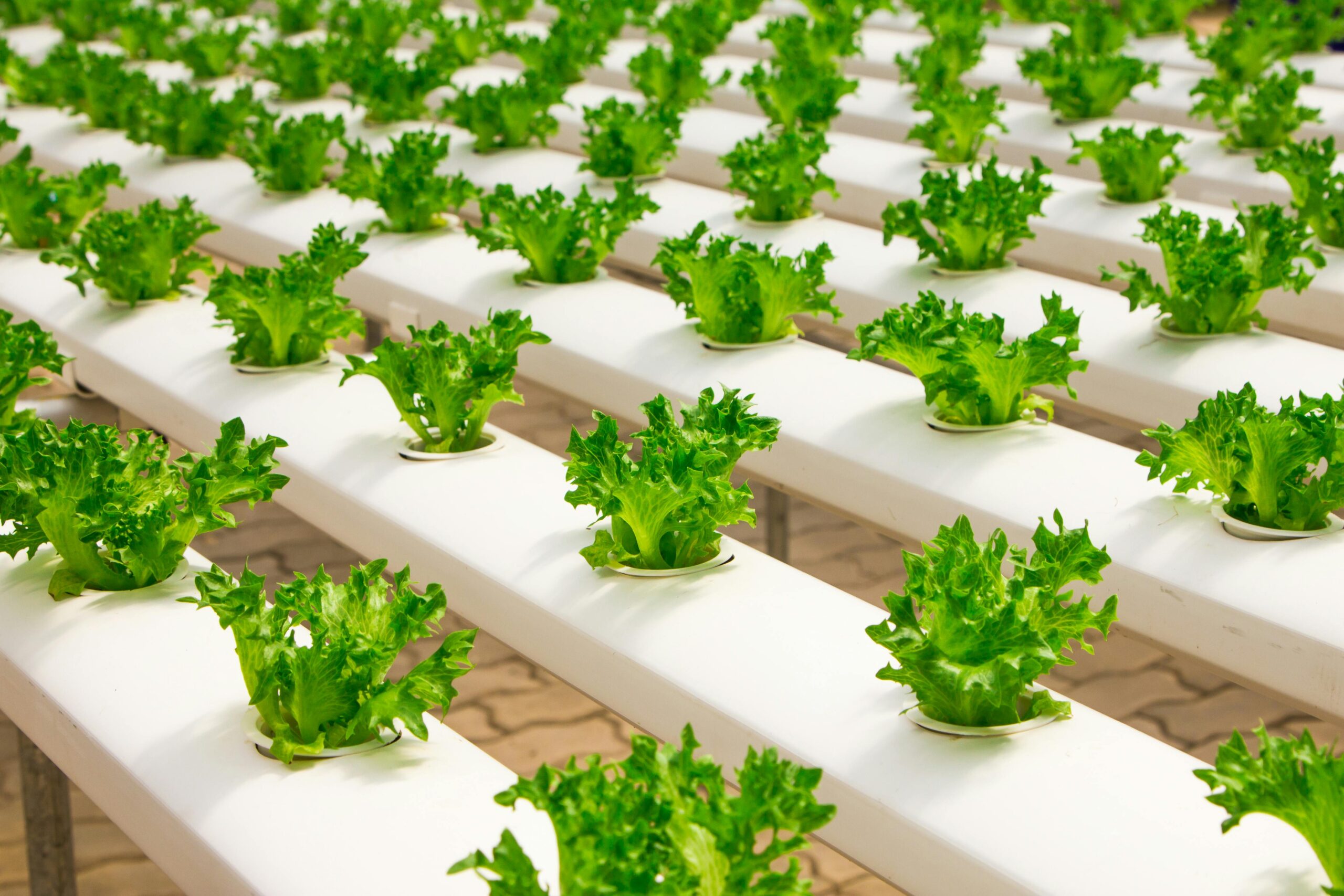
Vertical farms producing leafy greens and vegetables might operate alongside cellular agriculture facilities producing meat and dairy, with both supplied by precision fermentation platforms generating specialized ingredients. Traditional agriculture could focus on crops best suited to conventional cultivation while reducing resource-intensive animal production.
Technology Convergence
Emerging technologies will accelerate biofabrication development and integration. Artificial intelligence and machine learning optimize fermentation conditions and predict consumer preferences. Blockchain technology enhances supply chain transparency and traceability. Automation and robotics reduce production costs while improving consistency and scalability.
The convergence of these technologies with biofabrication creates synergies that amplify sustainability benefits. For example, bioreactors powered by renewable energy and utilizing waste streams as feedstocks could achieve carbon-negative food production, actually removing greenhouse gases from the atmosphere while generating nutrition.
Policy and Investment Landscapes 📊
Government policies and investment priorities will largely determine the speed of biofabricated food adoption. Progressive regulations that establish clear safety standards while facilitating innovation create environments where companies can confidently invest in scaling production. Several countries have recognized this opportunity, establishing dedicated funding programs and regulatory fast-tracks for alternative protein development.
Public investment in fundamental research, shared infrastructure, and workforce development can accelerate progress while ensuring benefits extend beyond private companies. The European Union, Singapore, Israel, and several US states have launched substantial initiatives supporting alternative protein development, recognizing both economic opportunities and sustainability imperatives.
Private investment in the sector has grown exponentially, with venture capital funding for alternative proteins exceeding several billion dollars annually. Major food corporations are acquiring or partnering with biofabrication startups, recognizing that these technologies will reshape their industries fundamentally.
🌱 Cultural Considerations and Food Heritage
Food represents far more than nutrition—it embodies culture, tradition, identity, and community. Successful integration of biofabricated foods must respect and preserve these dimensions while offering sustainable alternatives. This balance requires sensitivity to cultural contexts and engagement with diverse communities about how these technologies can enhance rather than erase food traditions.
Interestingly, many biofabrication technologies enable preservation of endangered food cultures. Precision fermentation can produce rare indigenous ingredients threatened by climate change. Cellular agriculture could preserve genetic diversity of heritage livestock breeds without requiring large-scale animal raising. These applications demonstrate how innovation and tradition can complement each other.
Taking Action: Building a Biofabricated Future 🚀
The transition to sustainable food systems requires coordinated action across multiple sectors. Consumers can support the industry by trying biofabricated products when available and providing feedback to guide product development. Investors should consider allocating capital to promising alternative protein companies and supporting funds focused on sustainable food systems.
Policymakers must develop regulatory frameworks that protect public safety while enabling innovation, invest in research infrastructure and workforce development, and design transition support for affected agricultural communities. Scientists and engineers should pursue careers in this rapidly growing field, bringing diverse perspectives and expertise to solve remaining technical challenges.
Educational institutions have a crucial role in preparing the next generation of food system professionals. Interdisciplinary programs combining biology, engineering, business, and policy will produce graduates equipped to lead the biofabrication revolution while navigating its complex technical, economic, and social dimensions.
The Promise of Planetary Health 🌏
Biofabricated food systems represent humanity’s best opportunity to feed a growing population while reversing environmental degradation and improving animal welfare. These technologies offer solutions that are not merely incremental improvements but transformative changes in how we produce the most fundamental human necessity: food.
The path forward requires optimism tempered by realism, recognizing both the tremendous potential and substantial challenges ahead. Success demands collaboration among scientists, entrepreneurs, policymakers, farmers, and consumers, working together to build food systems that nourish both people and planet.
As biofabrication technologies mature and scale, they will become increasingly accessible and affordable, gradually transforming the global food landscape. The revolution has already begun—the question now is not whether biofabricated foods will reshape our diet but how quickly we can harness their potential to create a truly sustainable food future that preserves our planet for generations to come.