
Bioreactor technology stands at the intersection of biotechnology innovation and industrial-scale production, where efficiency meets sustainability. As industries push toward larger production volumes while simultaneously reducing operational costs, the challenges of scalability and energy optimization become paramount.

The biotechnology sector faces unprecedented pressure to deliver therapeutic proteins, biofuels, and biochemicals at competitive prices while maintaining environmental responsibility. Modern bioreactor systems must balance complex biological requirements with economic realities, creating a multifaceted puzzle that demands innovative solutions across input management and energy consumption.
🔬 The Current Landscape of Bioreactor Operations
Contemporary bioreactor facilities consume substantial resources throughout their operational lifecycle. From raw material inputs to energy-intensive sterilization processes, every stage presents opportunities for optimization. The global bioprocessing market, valued at billions of dollars, increasingly recognizes that marginal improvements in efficiency translate to significant competitive advantages.
Manufacturing biologics requires precise control over temperature, pH, dissolved oxygen, and agitation—all energy-dependent parameters. Traditional approaches often prioritize biological productivity over energy efficiency, resulting in operational expenditures that can exceed 30% of total production costs in some facilities.
Understanding the Scalability Bottleneck
Scaling bioreactor operations from laboratory bench to commercial production introduces non-linear complications. What works efficiently at 5-liter volumes may fail catastrophically at 15,000 liters. Mass transfer limitations, heat dissipation challenges, and mixing inefficiencies compound as vessel dimensions increase.
The geometric scaling laws governing fluid dynamics mean that simply enlarging equipment proportionally delivers suboptimal results. Engineering teams must recalculate impeller designs, sparger configurations, and cooling systems for each scale increment, often discovering that “successful” pilot-scale parameters require complete redesign at manufacturing scale.
💡 Strategic Approaches to Input Optimization
Raw material costs represent one of the most controllable variables in bioreactor economics. Media formulations containing complex ingredients like yeast extract, peptones, and serum can account for 20-40% of production expenses. Progressive facilities are implementing several strategies to address this challenge.
Media Formulation Rationalization
Systematic media optimization begins with understanding which components truly drive productivity versus those included through historical precedent. Design of Experiments (DOE) methodologies enable researchers to test multiple variables simultaneously, identifying synergistic effects and eliminating redundant ingredients.
Chemically defined media, while initially more expensive to develop, offer superior batch-to-batch consistency and eliminate animal-derived components that pose regulatory and supply chain risks. Companies investing in media development typically achieve 15-25% cost reductions within 18-24 months while simultaneously improving product quality metrics.
Feed Strategy Innovation
Fed-batch and continuous feeding strategies dramatically reduce waste compared to batch operations. Rather than front-loading nutrients that cells cannot immediately metabolize, controlled feeding matches substrate availability to cellular demand. This approach minimizes byproduct formation, reduces inhibitory metabolite accumulation, and extends productive culture phases.
Advanced process analytical technology (PAT) tools enable real-time monitoring of critical metabolites, allowing automated feeding systems to respond dynamically to cellular needs. Capacitance probes, Raman spectroscopy, and near-infrared sensors provide non-invasive insights that were impossible just a decade ago.
⚡ Energy Consumption: The Hidden Cost Driver
Energy represents both a financial burden and an environmental concern for bioreactor operations. A typical 10,000-liter bioreactor consumes between 50-150 kWh per batch, with larger facilities running multiple vessels simultaneously. Breaking down energy usage reveals targeted intervention opportunities.
Temperature Control Systems
Maintaining optimal growth temperatures requires constant heating or cooling, depending on metabolic heat generation. Mammalian cell cultures operating at 37°C in ambient temperatures of 20-25°C require significant heating, while high-density microbial fermentations generate excess heat demanding removal.
Modern jacketed vessels with zoned cooling systems achieve superior heat transfer compared to traditional designs. Some facilities are implementing heat recovery systems that capture thermal energy from cooling water loops, redirecting it to pre-warm incoming media or support adjacent processes. These closed-loop systems can reduce heating costs by 30-50%.
Agitation and Aeration Efficiency
Impeller systems maintain homogeneity and suspend cells, but consume substantial power—often 40-60% of total bioreactor energy use. Computational fluid dynamics (CFD) modeling now enables engineers to optimize impeller geometry, positioning, and rotational speeds before physical prototyping.
Aeration strategies present another energy consideration. Sparging air or oxygen through fine bubbles requires compression, with energy demands scaling exponentially at higher flow rates. Micro-sparger technology and oxygen enrichment allow reduced gas flow rates while maintaining dissolved oxygen setpoints, cutting compressor energy consumption by 20-35%.
🎯 Scalability Solutions Through Design Thinking
Achieving true scalability requires rethinking bioreactor design from fundamental principles rather than incrementally modifying existing systems. Several emerging approaches show particular promise for bridging laboratory success to industrial reality.
Single-Use Bioreactor Technologies
Disposable bioreactor systems eliminate cleaning validation, reduce water consumption, and decrease cross-contamination risks. While single-use vessels have material costs absent in stainless steel systems, they dramatically reduce facility capital expenditure and operational complexity.
For organizations producing multiple products or operating in campaign mode, single-use systems offer flexibility that rigid stainless infrastructure cannot match. Changeover times shrink from days to hours, and product-specific contamination concerns virtually disappear. Energy savings emerge from eliminated clean-in-place (CIP) and steam-in-place (SIP) cycles, which can consume 25-40% of total process energy in traditional facilities.
Modular and Intensified Bioprocessing
Rather than building larger vessels, perfusion bioreactors maintain high cell densities by continuously removing spent media while retaining cells. This intensification achieves production volumes in smaller footprints, with significantly reduced facility requirements.
Perfusion systems produce volumetric productivities 5-10 times higher than fed-batch operations, meaning a 2,000-liter perfusion vessel can match or exceed the output of a 20,000-liter traditional system. Capital costs decrease proportionally, as do heating, cooling, and agitation energy requirements for the smaller vessel volume.
📊 Data-Driven Optimization and Digital Twins
The convergence of bioprocessing with Industry 4.0 technologies creates unprecedented optimization opportunities. Digital twins—virtual replicas of physical bioreactor systems—allow simulation of process changes without risking actual production batches.
Predictive Modeling and Machine Learning
Historical process data, when properly structured and analyzed, reveals patterns invisible to human operators. Machine learning algorithms identify subtle relationships between input variables and productivity outcomes, suggesting parameter adjustments that might seem counterintuitive but deliver measurable improvements.
One pharmaceutical manufacturer implemented predictive modeling across their biologics portfolio, discovering that slightly suboptimal temperature profiles during growth phases paradoxically increased final titers by reducing stress-induced apoptosis. This insight, derived from analyzing 200+ batch records, increased annual productivity by 12% without additional capital investment.
Real-Time Process Control
Advanced control strategies move beyond simple PID loops to model predictive control (MPC) that anticipates system behavior. By forecasting how current actions affect future states, MPC algorithms optimize multi-variable problems that defeat traditional control approaches.
Implementing MPC for simultaneous pH, dissolved oxygen, and feeding control reduces overshoot events that waste reagents and stress cultures. Facilities report 8-15% reductions in acid/base consumption and 10-20% improvements in batch-to-batch consistency after deploying advanced control systems.
🌱 Sustainability as a Cost-Reduction Strategy
Environmental sustainability and economic efficiency increasingly align in bioreactor operations. Regulatory pressures, corporate sustainability commitments, and resource scarcity drive innovations that simultaneously reduce environmental impact and operational costs.
Water Management and Recycling
Biomanufacturing facilities rank among the most water-intensive industrial operations, with some plants consuming millions of liters annually. CIP operations, cooling tower makeup, and media preparation all demand high-purity water that requires energy-intensive purification.
Closed-loop cooling systems, rainwater harvesting, and wastewater treatment with reuse capabilities cut municipal water consumption by 40-70%. Beyond direct water costs, reducing intake volumes decreases purification energy and wastewater treatment expenses. Some jurisdictions offer tax incentives or expedited permitting for water-conserving facilities, adding financial benefits beyond operational savings.
Renewable Energy Integration
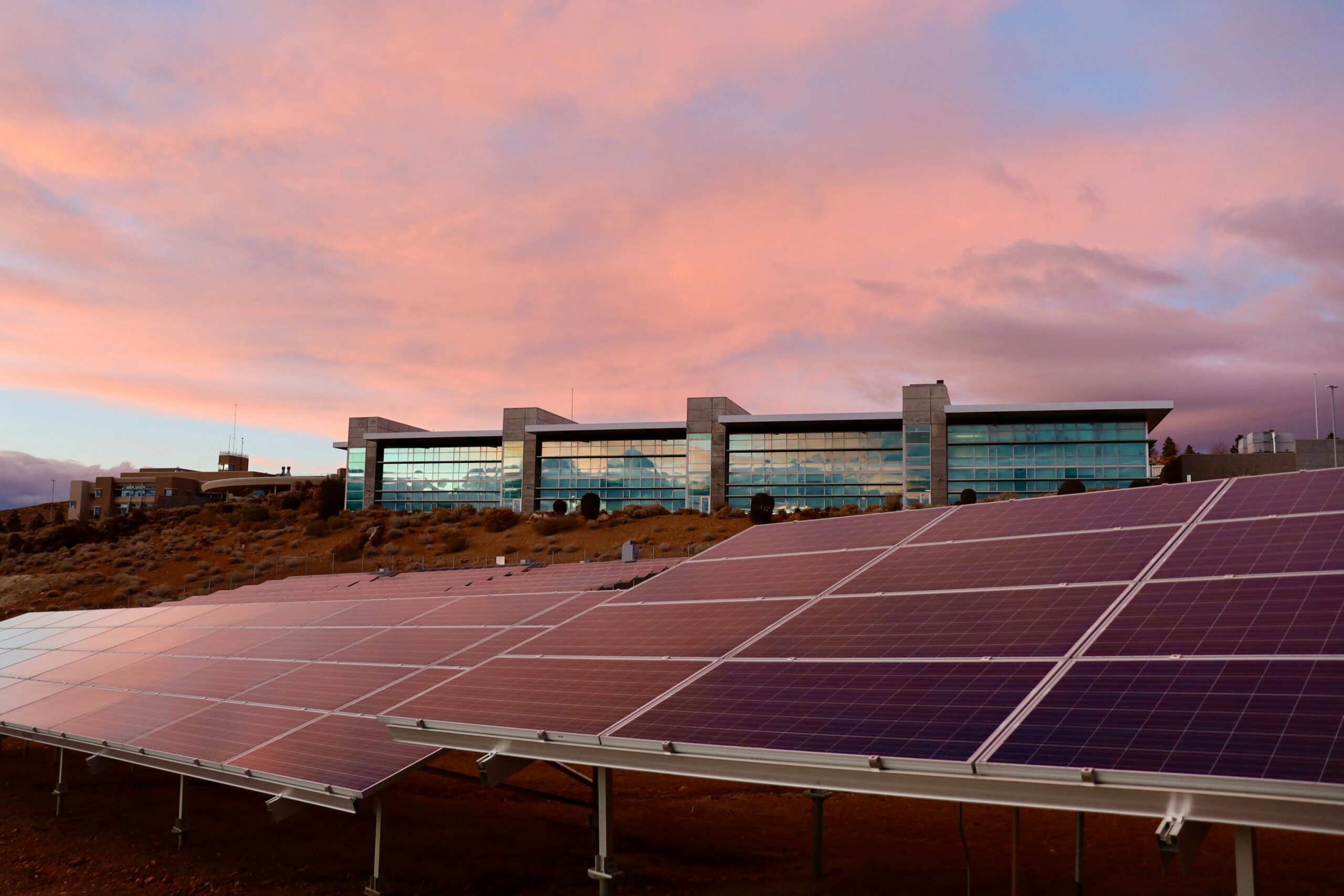
On-site solar installations, wind power purchase agreements, and combined heat and power (CHP) systems insulate biomanufacturing facilities from grid price volatility while reducing carbon footprints. The 24/7 operation profile of bioprocessing facilities maximizes renewable energy utilization compared to intermittent industrial processes.
Battery storage systems paired with renewable generation enable peak shaving—drawing grid power during low-cost periods and relying on stored energy during price spikes. Facilities implementing comprehensive energy management report 20-35% reductions in electricity costs within three years of system deployment.
🔧 Practical Implementation Strategies
Translating theoretical improvements into operational reality requires systematic change management and phased implementation. Organizations achieving sustainable efficiency gains follow similar roadmaps regardless of specific technology choices.
Baseline Establishment and Monitoring
Comprehensive energy audits and material flow analyses establish current performance baselines. Surprisingly, many facilities lack accurate data on resource consumption at process-specific levels, making improvement targeting impossible. Installing submeters, implementing manufacturing execution systems (MES), and training personnel on data collection fundamentals provide the foundation for all subsequent optimization.
Continuous monitoring reveals consumption patterns, seasonal variations, and correlations between process parameters and resource use. This visibility alone often identifies “low-hanging fruit”—operational inefficiencies like compressed air leaks, excessive lighting, or poorly scheduled batch starts that waste off-peak electricity rates.
Pilot Testing and Risk Mitigation
Process changes carry inherent risks in regulated industries where product quality cannot be compromised. Scale-down models and parallel processing approaches allow testing innovations without jeopardizing commercial production. A 10-50 liter model bioreactor, properly designed, replicates commercial-scale conditions sufficiently for evaluating most process modifications.
Risk assessment frameworks like Failure Mode and Effects Analysis (FMEA) systematically evaluate potential impacts before implementation. This structured approach satisfies regulatory expectations while building organizational confidence in proposed changes.
💼 Economic Justification and ROI Considerations
Capital allocation committees demand clear financial justification for efficiency investments. While environmental benefits matter, projects must demonstrate acceptable returns within organizational thresholds—typically 2-5 year payback periods for operational improvements.
Total Cost of Ownership Analysis
Sophisticated economic modeling accounts for direct costs, avoided expenses, productivity improvements, and risk mitigation value. A single-use bioreactor system might have higher per-batch consumable costs than stainless steel, but eliminating capital depreciation, cleaning validation, and changeover downtime often creates superior total economics.
Sensitivity analysis reveals which assumptions most impact project viability, focusing due diligence on critical variables. If energy price assumptions dominate ROI calculations, locking in long-term power purchase agreements might convert a marginal project into a compelling investment.
Incremental vs. Transformative Investment
Optimization strategies range from minor tweaks requiring minimal capital to complete facility redesigns. Balanced portfolios include quick wins generating immediate savings that fund longer-term transformative projects. Replacing standard motors with variable frequency drives might save 15% on agitation energy with six-month payback, providing budget for subsequent investments in advanced sensors or control systems.
🚀 Future Horizons in Bioreactor Efficiency
Emerging technologies promise continued evolution in bioreactor efficiency and scalability. While some remain experimental, understanding development trajectories helps organizations prepare for future implementation opportunities.
Artificial Intelligence and Autonomous Operations
AI systems are progressing from decision support tools toward autonomous process control. Self-optimizing bioreactors that adjust parameters in response to real-time biological signals represent the logical endpoint of current development trajectories. Early implementations show 5-10% productivity improvements over human-managed processes, with consistency benefits that exceed absolute performance gains.
Novel Bioreactor Geometries and Materials
Unconventional reactor designs challenge century-old stirred-tank assumptions. Oscillating baffles, acoustic mixing, and electromagnetic agitation reduce moving parts and energy consumption. Advanced materials like transparent ceramics enable in-situ spectroscopy while withstanding sterilization cycles that degrade polymers.
These innovations remain largely in research phases but demonstrate the untapped potential for reimagining fundamental bioprocessing approaches. Organizations tracking these developments position themselves to rapidly adopt breakthrough technologies as they mature.
🎓 Building Organizational Capability
Technology alone cannot deliver sustained improvements without capable people and supportive culture. The most efficient biomanufacturing operations invest systematically in workforce development and knowledge management.
Cross-functional teams bringing together process development scientists, automation engineers, quality assurance personnel, and operators generate insights impossible within siloed structures. Regular kaizen events, continuous improvement programs, and innovation incentives maintain momentum beyond initial project enthusiasm.
Documenting lessons learned, standardizing successful approaches, and creating communities of practice across multiple sites accelerate improvement diffusion. What one facility discovers through trial and error becomes immediately available to sister operations, multiplying return on improvement investments.
🌐 The Path Forward: Integrated Excellence
Overcoming scalability and cost challenges in bioreactor operations requires integrated thinking across multiple dimensions. No single intervention delivers transformative results, but systematic attention to media optimization, energy management, process control, and organizational capability creates compounding benefits.
The most successful organizations view efficiency not as a project with defined endpoints but as a continuous journey of incremental gains. They establish metrics, celebrate progress, and maintain leadership commitment through inevitable setbacks that accompany any change initiative.
As biotechnology assumes greater importance in pharmaceuticals, sustainable chemistry, and food production, efficient bioprocessing becomes increasingly critical. Facilities mastering scalability and cost reduction position themselves as preferred partners for innovators seeking manufacturing capacity, creating competitive moats beyond simple price competition.
The convergence of biological insight, engineering innovation, digital technology, and sustainability imperatives creates unprecedented opportunities for biomanufacturing excellence. Organizations embracing this complexity with systematic, data-driven approaches will define the industry’s future while those clinging to traditional methods face mounting competitive pressure.
Unlocking efficiency and growth in bioreactor operations demands courage to challenge established practices, investment in enabling technologies, and patience to allow improvements to compound over time. The rewards—reduced costs, enhanced sustainability, and greater production capacity—justify the effort required, benefiting individual organizations and advancing the broader biotechnology sector toward its transformative potential.