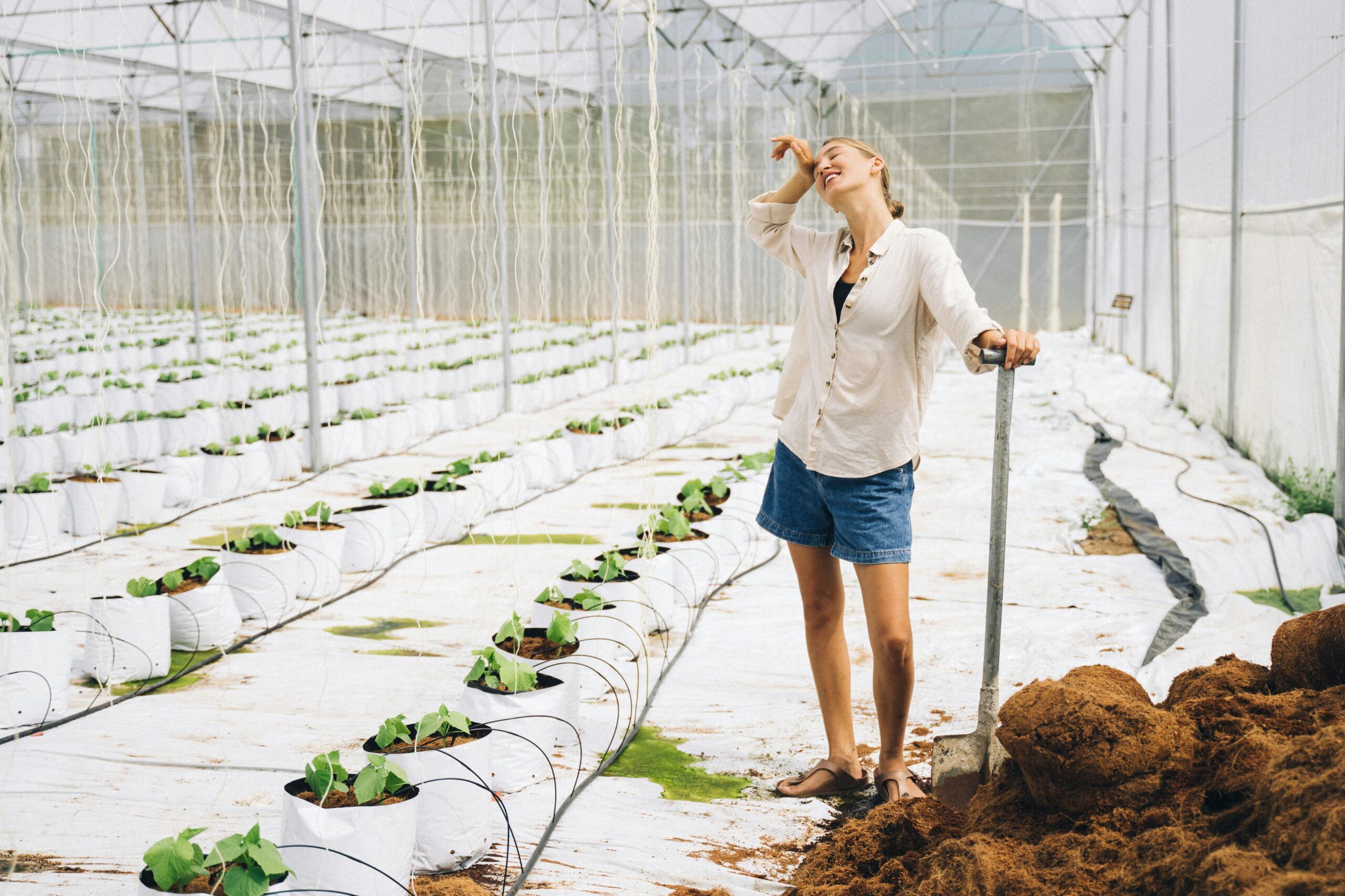
Modern agriculture faces unprecedented challenges as climate patterns shift and extreme weather events become more frequent. Innovative agrodesign solutions are emerging as essential tools for farmers seeking to build resilience and maintain productivity despite increasingly volatile conditions.

The agricultural sector stands at a critical crossroads where traditional farming methods alone can no longer guarantee consistent yields or sustainable operations. Storms, floods, droughts, and unpredictable weather patterns threaten food security globally, demanding creative and scientifically-backed approaches to farm design and management. This comprehensive exploration examines how forward-thinking agrodesign strategies can transform vulnerable farms into resilient, storm-resistant operations that not only survive but thrive in challenging conditions.
🌾 Understanding the Storm Challenge in Modern Agriculture
Climate volatility has fundamentally altered the risk landscape for agricultural operations worldwide. Farmers now contend with more intense rainfall events, stronger winds, prolonged droughts followed by sudden flooding, and temperature extremes that stress crops and infrastructure alike. These challenges demand proactive design thinking rather than reactive damage control.
The economic impact of storm damage on farms extends far beyond immediate crop losses. Infrastructure destruction, soil erosion, contamination of water sources, and disruption of supply chains create cascading effects that can threaten farm viability for seasons to come. Traditional farm layouts, often designed for efficiency during normal conditions, frequently amplify vulnerability during extreme weather events.
Research indicates that farms incorporating resilience-focused design principles experience significantly reduced losses during adverse weather while maintaining comparable or superior productivity during favorable conditions. This dual benefit makes agrodesign investment both a defensive strategy and a competitive advantage in an increasingly uncertain agricultural environment.
Landscape Architecture as Storm Defense 🏞️
Strategic landscape design serves as the first line of defense against storm damage. Thoughtful arrangement of natural and built elements can dramatically reduce wind speed, control water flow, prevent erosion, and protect vulnerable crops and structures from the worst effects of severe weather.
Windbreak Systems and Strategic Tree Placement
Properly designed windbreaks reduce wind velocity by up to 80% in protected areas, creating microclimates that shield crops, livestock, and infrastructure. Multi-layered windbreak systems incorporating trees of varying heights, shrubs, and herbaceous plants provide superior protection compared to single-species barriers. These living structures also contribute ecosystem services including wildlife habitat, carbon sequestration, and potential additional income through timber or fruit production.
Optimal windbreak placement requires careful analysis of prevailing wind patterns, seasonal variations, and site-specific topography. Digital modeling tools now enable farmers to simulate wind flow patterns and optimize windbreak configuration before planting, maximizing protection while minimizing land use conflicts with production areas.
Water Management Through Intelligent Contouring
Storm resilience depends critically on managing water as both resource and threat. Agrodesign solutions that work with natural hydrology rather than against it prove most effective over time. Contour farming, terracing, and strategic placement of water retention features slow runoff, prevent erosion, and capture rainfall for beneficial use rather than allowing it to cause damage.
Swales, keyline design principles, and infiltration basins transform problem areas into productive assets. These features recharge groundwater, reduce downstream flooding, and maintain soil moisture during dry periods. When integrated thoughtfully into farm layout, water management infrastructure becomes nearly invisible while providing continuous protective benefits.
Building Resilient Infrastructure 🛠️
Farm structures represent significant capital investments that deserve protection through resilient design principles. Modern agrodesign approaches incorporate engineering solutions that withstand extreme conditions while remaining economically viable for diverse farm scales.
Reinforced Growing Structures
Greenhouses, high tunnels, and shade structures face particular vulnerability during storms. Advanced designs incorporate enhanced anchoring systems, wind-resistant shapes, and materials engineered to flex rather than shatter under stress. Removable covering systems allow farmers to temporarily eliminate wind resistance during severe storm warnings, preventing total structure loss.
Ground screw foundations provide superior holding strength compared to traditional anchoring methods while allowing relocation if farm layout evolves. Load calculations accounting for worst-case scenarios rather than average conditions ensure structures survive the extreme events most likely to cause catastrophic failure.
Adaptive Storage and Processing Facilities
Post-harvest infrastructure must protect valuable crops and equipment from storm damage while maintaining functionality during and after weather events. Elevated designs prevent flood damage, while reinforced construction standards ensure structural integrity during high winds. Distributed storage strategies reduce total loss risk by avoiding concentration of assets in single vulnerable locations.
Backup power systems, redundant drainage capacity, and weatherproofed electrical systems maintain critical operations during storms when grid power fails. These investments prove their value during emergencies while providing everyday benefits through improved reliability and reduced maintenance requirements.
🌱 Crop Selection and Diversification Strategies
Biological resilience begins with choosing plant varieties and species mixes adapted to variable conditions. Agrodesign extends beyond physical infrastructure to encompass living systems that resist stress and recover quickly from damage.
Polyculture and Companion Planting Systems
Diverse cropping systems demonstrate superior resilience compared to monocultures. When storms damage one crop, others continue production, maintaining farm income and ecological function. Complementary root systems at different depths stabilize soil more effectively than single-crop plantings, reducing erosion during heavy rainfall.
Companion planting arrangements create mutual support networks where different species provide wind protection, share nutrients, and modify microclimates to buffer extreme conditions. These ecological relationships require careful planning during farm design phases but deliver compounding benefits over time.
Perennial Agriculture Integration
Perennial crops with established root systems withstand storms far better than annual crops planted each season. Integrating fruit trees, berry bushes, and perennial vegetables into farm designs creates productive systems that strengthen rather than weaken over time. These long-lived plants stabilize soil, moderate water flow, and continue producing even when annual crops suffer complete losses.
Agroforestry systems combining timber trees, fruiting trees, and understory crops create vertically diverse ecosystems with multiple income streams and exceptional storm resilience. The permanent woody framework protects annual production areas while generating value independent of short-term weather variability.
Technology Integration for Predictive Resilience 📱
Digital tools revolutionize how farmers anticipate, prepare for, and respond to storm threats. Smart agrodesign incorporates technology infrastructure that enhances decision-making and enables rapid protective actions when severe weather approaches.
Weather Monitoring and Early Warning Systems
On-farm weather stations providing real-time data enable farmers to track approaching systems and implement protective measures with maximum lead time. Soil moisture sensors, wind speed monitors, and rainfall gauges create comprehensive environmental awareness that informs both immediate storm response and long-term design improvements.
Cloud-based agricultural platforms aggregate weather data with farm-specific information to generate customized alerts and recommendations. These systems learn from each weather event, continuously refining their predictions and suggestions to match individual farm characteristics and vulnerabilities.
Remote Monitoring and Automated Responses
Automated irrigation shutoffs prevent water system damage during freezing conditions or power failures. Remotely controlled ventilation systems allow farmers to adjust greenhouse conditions without physically visiting structures during dangerous weather. Security cameras and sensors enable damage assessment immediately after storms pass, accelerating recovery efforts and insurance claims processes.
The integration of Internet of Things (IoT) devices throughout farm infrastructure creates responsive systems that adapt automatically to changing conditions. Smart controllers reduce human error during stressful storm situations while providing valuable data for post-event analysis and design refinement.
Soil Health as Foundation for Storm Resistance 🌍
Healthy soil with robust structure and abundant organic matter resists erosion, absorbs rainfall effectively, and supports vigorous plant growth that recovers quickly from damage. Agrodesign principles that prioritize soil health create compound resilience benefits throughout farm systems.
Building Soil Structure Through Organic Matter
Compost applications, cover cropping, and reduced tillage increase soil organic matter content, which directly correlates with water infiltration rates and structural stability. Soils rich in organic matter act like sponges during storms, absorbing water that would otherwise run off causing erosion and flooding. This stored moisture then sustains crops during subsequent dry periods.
Permanent vegetation cover protects soil surfaces from raindrop impact, which causes compaction and initiates erosion. No-till farming systems combined with diverse cover crop cocktails create year-round protection while continuously improving soil quality. These practices require initial adjustments to farm operations but deliver increasingly dramatic benefits as soil health compounds over seasons.
Mycorrhizal Networks and Biological Soil Crusts
Underground fungal networks and surface biological crusts bind soil particles together, creating erosion resistance that mechanical solutions cannot match. Agrodesign practices that foster these natural systems through minimal disturbance and diverse plantings harness millions of years of evolutionary adaptation to storm conditions.
Inoculating crops with beneficial mycorrhizal fungi accelerates establishment of these protective networks. The resulting soil aggregation resists both wind and water erosion while improving nutrient availability and plant stress tolerance. These biological solutions integrate seamlessly with other resilience strategies, creating synergistic protective effects.
Economic Frameworks for Resilience Investment 💰
Implementing comprehensive agrodesign solutions requires capital investment that many farmers find challenging. Understanding the economic case for resilience and accessing appropriate financing mechanisms determines whether innovative designs remain theoretical possibilities or become practical realities.
Cost-Benefit Analysis of Protective Infrastructure
Resilience investments generate returns through both damage prevention and productivity enhancement. Windbreaks that reduce crop losses by 15% during normal years may prevent 80% losses during severe storms. Water management systems that capture rainfall for irrigation reduce input costs while preventing erosion damage that would require expensive remediation.
Long-term financial modeling demonstrates that resilience investments typically achieve positive returns within 5-10 years while continuing to generate benefits for decades. These payback periods compare favorably with conventional farm infrastructure investments that lack protective benefits.
Accessing Resilience Funding and Incentives
Government conservation programs increasingly recognize climate adaptation as priority funding area. Cost-share programs can offset 50-75% of expenses for qualifying resilience projects including windbreaks, water management structures, and soil health improvements. Carbon credit markets provide additional revenue streams for practices that sequester atmospheric carbon while building resilience.
Agricultural lenders now offer specialized financing for climate adaptation projects, recognizing that resilience investments reduce overall farm risk and improve loan security. Insurance companies similarly provide premium discounts for farms implementing verified protective measures, creating immediate financial benefits alongside long-term risk reduction.
Community-Scale Resilience Networks 🤝
Individual farm resilience strengthens when embedded within cooperative regional approaches. Landscape-scale planning and shared infrastructure create protection impossible for isolated operations while building social capital that proves invaluable during recovery from major disasters.
Watershed-Based Planning Approaches
Storm water management works most effectively when coordinated across entire watersheds rather than implemented farm-by-farm in isolation. Cooperative planning ensures upstream actions support rather than undermine downstream neighbors. Shared water retention infrastructure benefits all participants while distributing costs according to benefit received.
Regional windbreak networks create protected corridors extending beyond individual property boundaries, amplifying protective effects for all participating farms. These collaborative approaches require coordination mechanisms and agreed standards but generate collective benefits exceeding what any single farm could achieve independently.
Equipment and Knowledge Sharing Systems
Specialized equipment for implementing resilience measures often proves uneconomical for individual farms to purchase but becomes viable when shared across farm groups. Cooperative ownership of soil health equipment, water management tools, and protective infrastructure components reduces implementation barriers while strengthening community ties.
Peer learning networks accelerate resilience adoption by sharing experiences, successful techniques, and lessons learned from both successes and failures. Mentorship programs connecting experienced practitioners with farmers beginning resilience journeys compress learning curves and prevent costly mistakes.
Adaptive Management for Continuous Improvement 🔄
Storm resilience requires ongoing refinement rather than one-time implementation. Agrodesign embraces adaptive management principles that systematically learn from each weather event and evolve farm systems toward ever-greater robustness.
Detailed record-keeping documenting storm impacts, protective measure effectiveness, and recovery timelines creates institutional knowledge that informs future design decisions. Formal after-action reviews following significant weather events identify vulnerabilities requiring attention and successful strategies deserving expansion.
Experimental areas within farms allow testing of new resilience approaches without risking entire operations. These learning zones generate practical, site-specific knowledge that extends general principles into locally optimized solutions. Successes then scale across farms while failures remain contained and instructive.

Looking Forward: The Resilient Farm Future 🌅
The trajectory toward more frequent and severe storms appears irreversible within agriculturally relevant timescales. Farms incorporating resilience-focused agrodesign principles position themselves not merely to survive this challenging future but to thrive within it, gaining competitive advantages over operations clinging to outdated approaches.
Emerging technologies including artificial intelligence for predictive modeling, gene-edited crop varieties with enhanced stress tolerance, and advanced materials for protective infrastructure will expand the resilience toolkit available to farmers. The fundamental principles of working with natural systems, building redundancy, embracing diversity, and planning for extremes rather than averages will remain relevant regardless of technological advances.
Farms designed for resilience deliver benefits extending beyond individual operations to encompass food security, environmental sustainability, rural economic vitality, and climate change mitigation. These broader contributions justify policy support and market recognition that will increasingly reward forward-thinking farmers implementing innovative agrodesign solutions.
The transition toward resilient agriculture represents both challenge and opportunity. Farmers who embrace this transition early, learn continuously, and adapt boldly position their operations for long-term success regardless of what storms the future brings. The tools, knowledge, and support systems exist today to begin building agricultural systems worthy of the uncertainties ahead—the question is not whether resilient agrodesign is necessary, but how quickly farming communities will embrace these life-sustaining innovations.