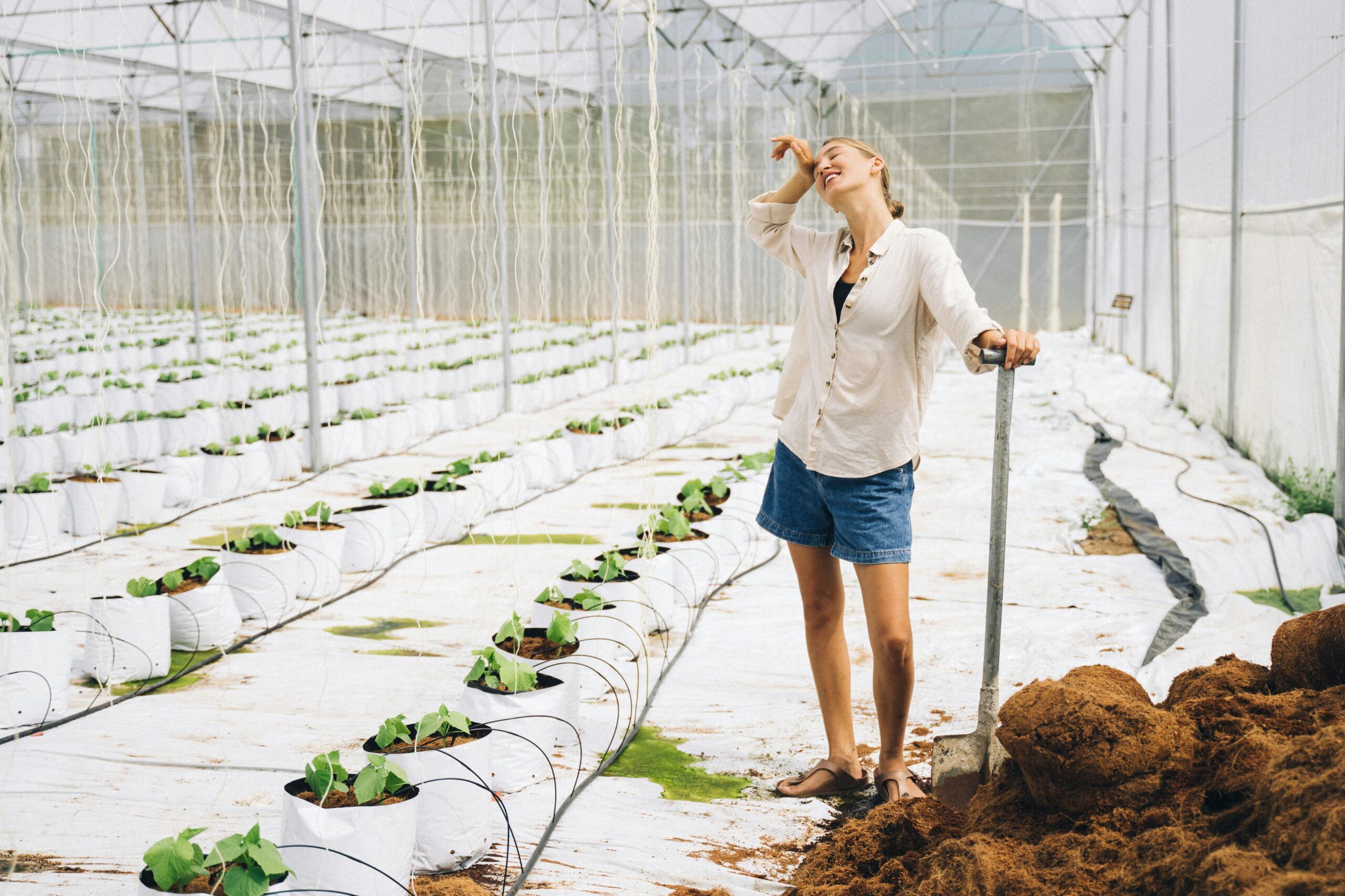
The agricultural sector stands at a critical crossroads where technology meets sustainability. Advanced artificial intelligence is transforming how farmers predict, prepare, and respond to environmental challenges that threaten global food security.

Climate variability and extreme weather events have become increasingly unpredictable, creating unprecedented challenges for agricultural communities worldwide. Traditional farming methods, while valuable, often fall short in addressing the complex demands of modern agriculture. The integration of AI-powered forecasting systems represents a paradigm shift that enables farmers to make data-driven decisions with remarkable precision, ultimately strengthening crop resilience and ensuring sustainable food production for future generations.
🌾 The Growing Need for Agricultural Innovation
Global agriculture faces mounting pressure from multiple fronts. Population growth projections indicate that food production must increase by approximately 70% by 2050 to meet demand. Simultaneously, climate change introduces volatility in weather patterns, water availability, and growing conditions that challenge conventional farming approaches.
Resource scarcity compounds these challenges. Water shortages affect nearly every agricultural region, while soil degradation threatens long-term productivity. Pest populations adapt to changing conditions faster than traditional management strategies can counter. These factors create an urgent need for smarter, more responsive agricultural systems that can anticipate problems before they devastate crops.
Farmers worldwide are witnessing firsthand how unpredictable weather patterns disrupt planting schedules, irrigation plans, and harvest timing. A single unexpected frost, drought, or flood can decimate an entire season’s work. The economic and social consequences ripple through communities, affecting food prices, farmer livelihoods, and regional stability.
🤖 Understanding AI-Powered Agricultural Forecasting
Artificial intelligence in agriculture encompasses sophisticated machine learning algorithms that analyze vast datasets to identify patterns invisible to human observation. These systems process information from satellite imagery, weather stations, soil sensors, historical crop performance, and global climate models to generate highly accurate predictions.
Deep learning neural networks excel at recognizing complex relationships between environmental variables and crop outcomes. These AI systems continuously improve their accuracy as they process more data, creating forecasting models that become increasingly reliable over time. Unlike traditional statistical methods, AI can simultaneously evaluate thousands of variables and their interactions.
The technology operates by collecting real-time data from multiple sources, processing this information through advanced algorithms, and delivering actionable insights directly to farmers. Remote sensing technology captures detailed images of fields, detecting subtle changes in plant health, soil moisture, and pest activity long before they become visible problems.
Key Components of AI Forecasting Systems
Modern AI agricultural platforms integrate several technological components working in harmony. Satellite and drone imagery provides comprehensive field monitoring at unprecedented resolution. IoT sensors distributed throughout fields measure soil conditions, temperature, humidity, and other critical factors continuously.
Weather prediction models powered by AI analyze atmospheric data to forecast conditions with greater accuracy than traditional meteorological methods. Machine learning algorithms process historical farming data alongside current observations to predict optimal planting dates, irrigation schedules, and harvest windows.
Cloud computing infrastructure enables the processing of massive datasets in real-time, making sophisticated analysis accessible even to small-scale farmers through mobile applications and web platforms. This democratization of technology ensures that advanced forecasting isn’t limited to large agricultural corporations.
🌱 Enhancing Crop Resilience Through Predictive Analytics
Crop resilience refers to the ability of agricultural systems to withstand and recover from environmental stresses. AI forecasting significantly enhances resilience by enabling proactive rather than reactive management strategies. When farmers receive advance warning of potential threats, they can implement protective measures before damage occurs.
Predictive disease modeling represents one of the most impactful applications of AI in agriculture. These systems analyze weather patterns, soil conditions, and historical disease outbreaks to forecast when and where plant diseases are likely to emerge. Farmers can then apply targeted preventive treatments, reducing both crop losses and chemical usage.
Water management optimization through AI forecasting addresses one of agriculture’s most critical challenges. Advanced algorithms predict precipitation patterns and evapotranspiration rates, enabling precise irrigation scheduling that ensures crops receive adequate moisture while conserving water resources. This precision prevents both drought stress and overwatering, which can damage root systems and promote disease.
Pest and Disease Prevention Strategies
AI-powered pest forecasting systems monitor environmental conditions favorable to pest proliferation. By analyzing temperature trends, humidity levels, and crop development stages, these systems predict pest pressure before infestations establish. Early warnings allow farmers to deploy integrated pest management strategies at optimal timing, maximizing effectiveness while minimizing environmental impact.
Image recognition technology identifies disease symptoms and pest presence from photos captured by drones or smartphones. These diagnostic tools provide instant feedback, enabling rapid response to emerging threats. The systems learn to distinguish between different diseases and pests with accuracy matching or exceeding human experts.
📊 Data-Driven Decision Making for Sustainable Farming
Sustainability in agriculture requires balancing productivity with environmental stewardship. AI forecasting supports this balance by optimizing input usage, reducing waste, and minimizing ecological footprint. Data-driven insights help farmers apply fertilizers, pesticides, and water precisely where and when needed, eliminating unnecessary applications.
Precision agriculture powered by AI transforms fields into managed ecosystems where every square meter receives customized treatment based on its specific characteristics and needs. Variable rate application technology adjusts seed density, fertilizer amounts, and chemical treatments automatically as equipment moves through fields, responding to real-time AI recommendations.
Carbon footprint reduction emerges naturally from AI-optimized farming practices. Reduced fuel consumption from efficient field operations, decreased chemical usage through targeted applications, and improved soil health from precision management all contribute to lowering agriculture’s environmental impact.
Economic Benefits and Resource Optimization
The financial advantages of AI forecasting extend beyond yield improvements. Reduced input costs from precision application generate immediate savings. Enhanced crop quality commands premium prices in markets. Risk reduction from better weather preparation protects investments and stabilizes income.
Resource optimization through AI creates long-term economic sustainability. Water conservation extends limited supplies, reducing irrigation costs and ensuring availability for future seasons. Soil health improvements from data-guided practices maintain and enhance land value over time. These benefits compound, creating increasingly efficient operations year after year.
🌍 Real-World Applications and Success Stories
Agricultural operations worldwide demonstrate the transformative potential of AI forecasting. In drought-prone regions of Africa, smallholder farmers using AI-powered mobile applications receive SMS alerts about optimal planting dates based on rainfall predictions. This simple intervention has increased yields by 20-30% in pilot programs, dramatically improving food security.
Large-scale operations in North America employ comprehensive AI platforms that integrate satellite imagery, weather forecasting, and field sensor data. These systems guide decisions affecting thousands of acres, optimizing everything from seed selection to harvest scheduling. Participating farms report reduced costs, increased yields, and improved environmental metrics.
Vineyard managers in Europe utilize AI forecasting to predict disease pressure and frost events with remarkable precision. This technology enables targeted protective measures that preserve grape quality while reducing fungicide applications by up to 40%. The result is premium wine production with significantly reduced environmental impact.
Emerging Markets and Technology Adoption
Developing agricultural economies increasingly embrace AI forecasting as mobile technology becomes ubiquitous. Smartphone applications deliver sophisticated predictions to farmers previously isolated from technological advances. These platforms often incorporate local knowledge and crop-specific models tailored to regional conditions.
Cooperative models enable resource-pooling where individual farmers cannot afford advanced technology independently. Shared satellite imagery subscriptions, communal weather stations, and cooperative AI platforms bring forecasting capabilities to entire farming communities, democratizing access to cutting-edge agricultural intelligence.
🔬 Advanced Technologies Shaping the Future
The convergence of multiple technological advances promises even more powerful agricultural AI systems. Quantum computing development will enable processing of exponentially larger datasets, revealing patterns and relationships currently beyond computational reach. These insights will refine forecasting models to unprecedented accuracy levels.
Edge computing brings AI processing directly to farm equipment and field sensors, enabling real-time decision-making without cloud connectivity delays. Autonomous tractors and harvesting equipment equipped with AI can adjust operations instantaneously based on immediate field observations, optimizing performance continuously.
Genetic data integration represents an exciting frontier where AI connects crop genetics with environmental conditions. These systems will predict how specific varieties perform under particular conditions, enabling precise variety selection for each field section based on microclimate characteristics and forecasted seasonal patterns.
Blockchain and Data Security
Blockchain technology addresses concerns about agricultural data ownership and security. Farmers maintain control over their information while participating in data-sharing networks that improve AI model accuracy. Transparent data provenance builds trust in supply chains, enabling traceability from field to consumer.
Smart contracts automated through AI recommendations can trigger insurance payouts when forecasted conditions materialize, providing financial protection without lengthy claims processes. This integration of forecasting with risk management creates comprehensive support systems for agricultural resilience.
🚀 Implementing AI Forecasting in Your Agricultural Operation
Adopting AI forecasting technology begins with assessing specific operational needs and challenges. Small-scale operations might start with mobile weather applications and satellite imagery services before expanding to comprehensive platforms. Large operations may implement enterprise solutions with custom integrations to existing farm management systems.
Successful implementation requires adequate internet connectivity and basic digital infrastructure. However, many modern solutions function with intermittent connectivity, storing data locally and synchronizing when connections become available. This design consideration makes the technology viable even in remote agricultural areas.
Training and education form critical components of successful adoption. Farmers and farm workers need understanding of how AI systems generate recommendations and confidence in acting on these insights. Extension services and technology providers increasingly offer training programs supporting this transition.
Overcoming Implementation Challenges
Initial costs represent the most common barrier to AI adoption. However, numerous financing options exist, including government subsidies, agricultural development loans, and subscription-based payment models that eliminate large upfront investments. The return on investment typically materializes within one to three growing seasons.
Technical complexity concerns diminish as user interfaces become more intuitive. Modern agricultural AI platforms prioritize user experience, presenting complex analysis through simple visualizations and straightforward recommendations. Support services help troubleshoot issues and optimize system usage.
🌟 Building a Resilient Agricultural Future
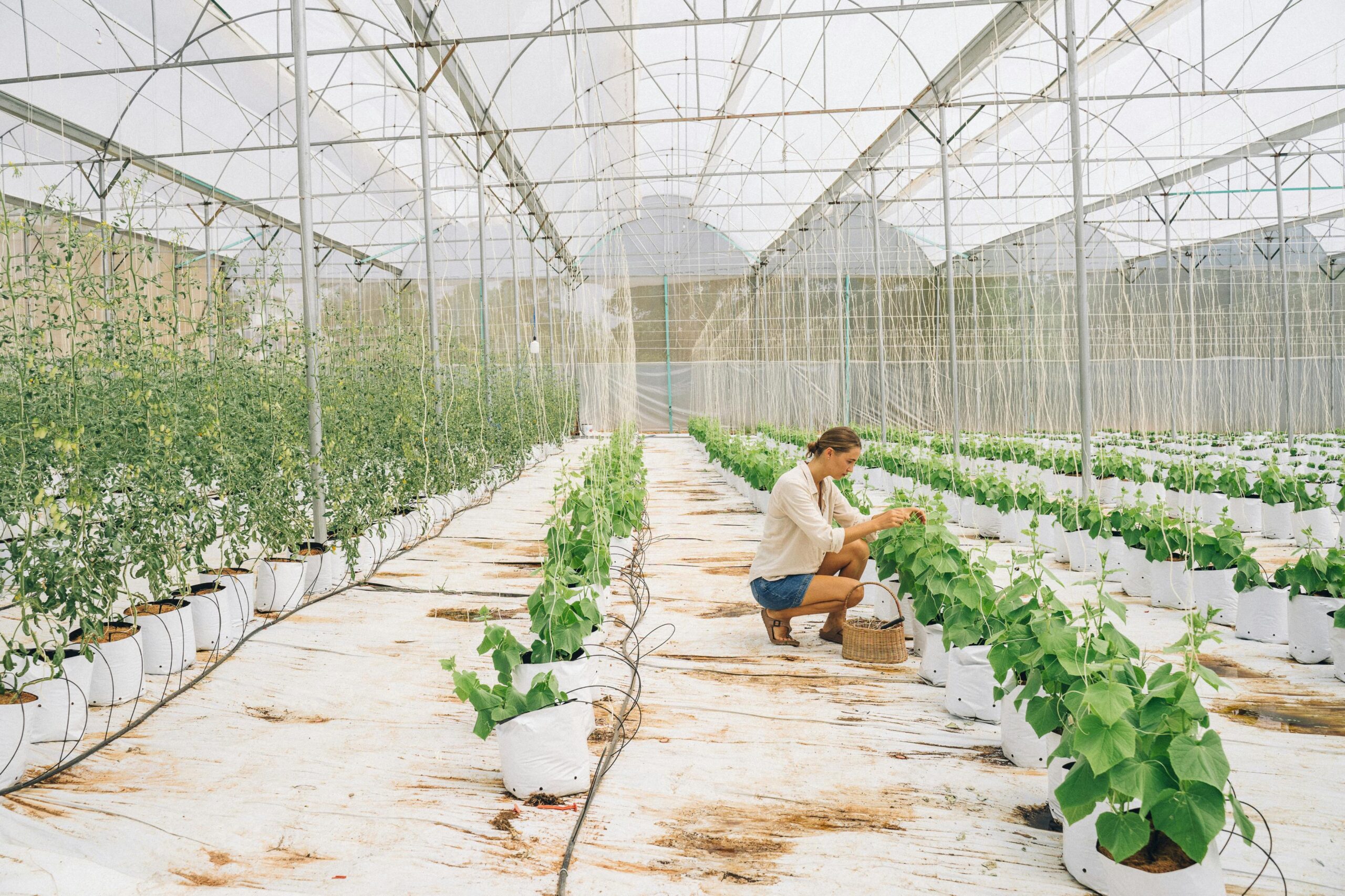
The integration of advanced AI forecasting into agricultural practices represents more than technological progress—it embodies a fundamental shift toward sustainable, resilient food systems. As climate variability intensifies and global food demands increase, these intelligent systems become not merely advantageous but essential for agricultural survival and prosperity.
Collective adoption of AI forecasting technology creates network effects where shared data improves predictions for all participants. Regional agricultural intelligence emerges from aggregated observations, benefiting entire farming communities. This collaborative approach to technology harnesses individual data contributions for collective advancement.
The environmental benefits of widespread AI adoption extend beyond individual farms. Reduced chemical runoff protects watersheds. Optimized resource usage preserves ecosystems. Carbon sequestration in healthier soils contributes to climate mitigation. Agriculture transforms from environmental challenge to environmental solution through intelligent management enabled by AI.
Future generations of farmers will view AI forecasting as fundamental to agriculture as irrigation and mechanization proved to previous generations. Today’s adoption decisions shape tomorrow’s agricultural landscape, determining whether we meet future food security challenges successfully while preserving the planet for those who follow.
The revolution in agricultural resilience through AI forecasting has begun, offering unprecedented opportunities to strengthen food systems against mounting challenges. Farmers who embrace these technologies position themselves at the forefront of sustainable agriculture, securing their operations’ viability while contributing to global food security. The path forward combines traditional agricultural wisdom with cutting-edge artificial intelligence, creating farming systems that are more productive, sustainable, and resilient than ever before possible.