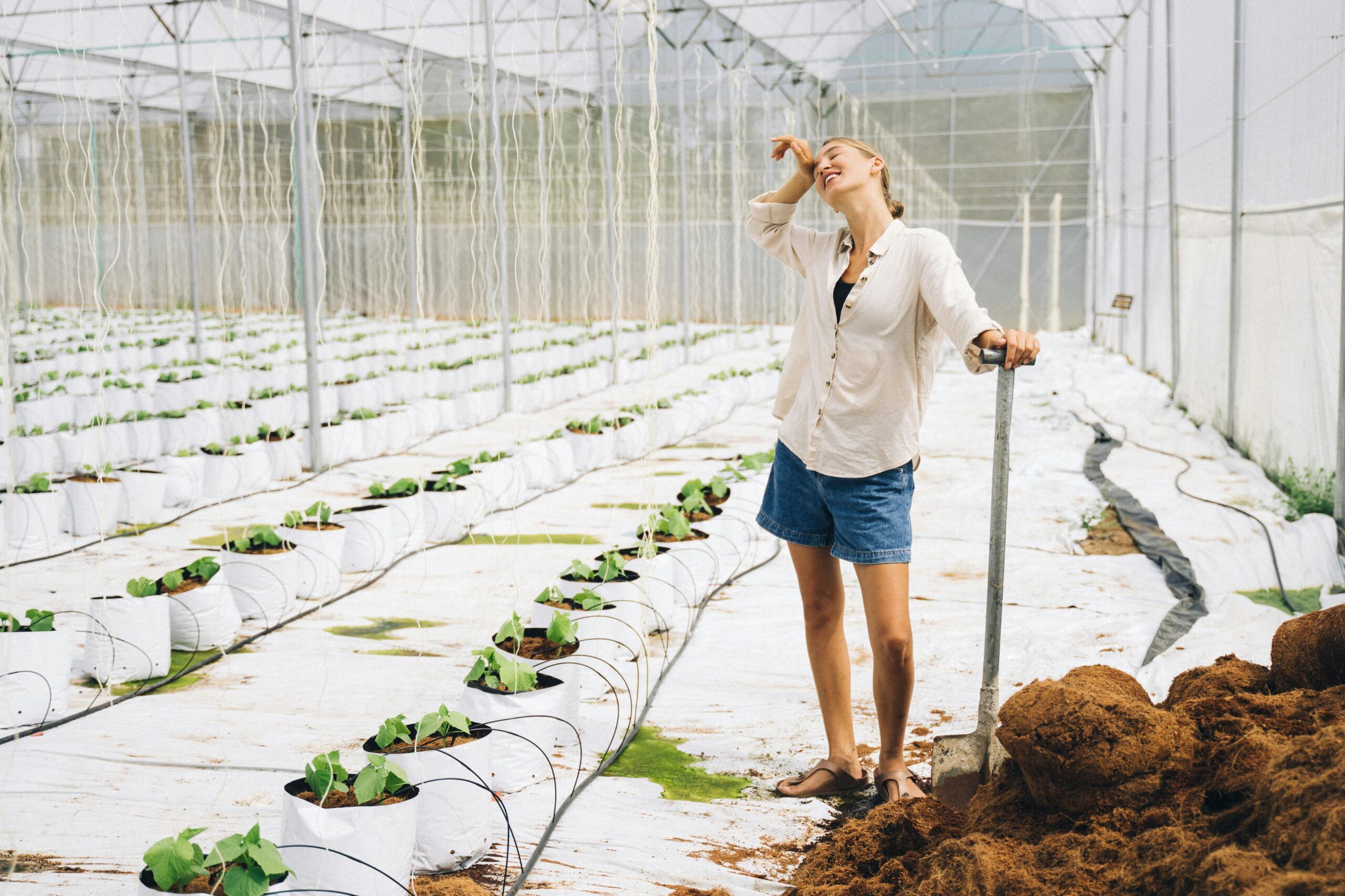
The global food system stands at a critical crossroads. As populations surge and environmental pressures intensify, traditional agriculture faces unprecedented challenges in meeting humanity’s nutritional needs sustainably.

Enter scalable protein culture—a groundbreaking approach that promises to transform how we produce food. This innovative technology harnesses cellular agriculture and precision fermentation to create proteins without the environmental toll of conventional livestock farming, offering a pathway toward feeding billions while preserving our planet’s delicate ecosystems.
🌍 The Urgent Need for Food System Transformation
Our current food production methods consume approximately 70% of global freshwater resources and occupy nearly 40% of Earth’s land surface. Animal agriculture alone contributes roughly 14.5% of global greenhouse gas emissions, while deforestation for grazing lands accelerates biodiversity loss at alarming rates.
By 2050, the world population is projected to reach 9.7 billion people, requiring a 70% increase in food production. Traditional agriculture cannot scale to meet this demand without catastrophic environmental consequences. Climate change further complicates matters, with extreme weather events disrupting crop yields and threatening food security across vulnerable regions.
Scalable protein culture emerges as a crucial solution to this multifaceted crisis. By producing nutritionally complete proteins through controlled biological processes, this technology dramatically reduces resource consumption while maintaining food quality and safety standards.
🔬 Understanding Scalable Protein Culture Technology
Scalable protein culture encompasses several innovative approaches to protein production, primarily cellular agriculture and precision fermentation. These methods leverage biotechnology to create authentic animal proteins, plant-based alternatives, and entirely novel protein sources.
Cellular Agriculture: Growing Real Meat Without Animals
Cellular agriculture involves cultivating animal cells in bioreactors to produce genuine meat, dairy, and other animal products. Scientists extract small cell samples from living animals, then multiply these cells in nutrient-rich media that mimics natural biological conditions.
The process requires no animal slaughter and uses a fraction of the resources needed for conventional livestock farming. A single cell sample can theoretically produce unlimited quantities of meat, revolutionizing protein production economics and ethics simultaneously.
Major companies like Upside Foods, Mosa Meat, and Eat Just have already achieved regulatory approval in select markets, bringing cultured chicken, beef, and other products to consumers’ plates.
Precision Fermentation: Programming Microorganisms for Protein Production
Precision fermentation represents another transformative approach. This technology programs microorganisms—typically yeast, bacteria, or fungi—to produce specific proteins through genetic modification. These microbial factories convert simple inputs like sugars into complex proteins identical to those found in animals.
Companies like Perfect Day produce dairy proteins without cows, while Impossible Foods uses precision fermentation to create heme, the molecule that gives their plant-based burgers a meat-like taste and appearance. This approach scales rapidly, operates in compact facilities, and produces consistent, high-quality proteins year-round.
💡 Revolutionary Benefits of Scalable Protein Culture
The advantages of scalable protein culture extend far beyond simple resource efficiency. This technology offers comprehensive benefits across environmental, economic, health, and ethical dimensions.
Environmental Impact Reduction
Research indicates cultured meat production could reduce greenhouse gas emissions by up to 96% compared to conventional beef production. Water consumption drops by approximately 96%, while land use decreases by 99%. These dramatic reductions stem from eliminating inefficient feed conversion ratios inherent in animal agriculture.
Traditional beef production requires approximately 25 kilograms of feed to produce one kilogram of meat. Scalable protein culture bypasses this inefficiency entirely, directly converting nutrients into consumable proteins.
Additionally, cultured protein production eliminates agricultural runoff containing antibiotics, hormones, and animal waste that pollute waterways and contribute to ocean dead zones. The controlled environment prevents pathogen contamination and reduces disease transmission risks.
Enhanced Food Security and Accessibility
Scalable protein culture decentralizes food production, enabling protein manufacturing closer to consumption centers. Urban bioreactors could supply fresh proteins to city populations without lengthy supply chains vulnerable to disruption.
This localized production model enhances food security during climate emergencies, pandemics, or geopolitical conflicts that traditionally interrupt agricultural supply chains. Communities in arid regions or areas with poor agricultural conditions gain access to high-quality proteins previously unavailable or prohibitively expensive.
Nutritional Optimization and Food Safety
Cultured proteins offer unprecedented nutritional customization. Scientists can engineer products with enhanced vitamin content, optimized amino acid profiles, or reduced saturated fat levels—creating healthier protein sources tailored to specific dietary needs.
The controlled production environment virtually eliminates foodborne pathogens like Salmonella, E. coli, and Campylobacter that plague conventional meat production. Antibiotic resistance, a growing global health crisis linked to livestock farming, becomes irrelevant when animals are removed from the equation.
🚀 Scaling Challenges and Innovation Solutions
Despite its promise, scalable protein culture faces significant technical, economic, and regulatory hurdles that must be overcome to achieve mainstream adoption.
Production Cost Reduction
Early cultured meat products carried astronomical price tags—the first lab-grown burger cost approximately $330,000 in 2013. However, technological advances have driven costs down dramatically. Some companies now produce cultured proteins at price points approaching conventional meat parity.
Further cost reductions require innovations in cell culture media, which currently represents the largest production expense. Researchers are developing cheaper growth media formulations using plant-based nutrients and optimizing bioreactor designs for maximum efficiency.
Economy of scale will naturally lower costs as production facilities expand and technologies mature. Industry analysts predict cultured proteins could become cheaper than conventional meat within the next decade as manufacturing capacity increases globally.
Infrastructure Development and Manufacturing Scale
Transitioning from laboratory-scale production to industrial manufacturing requires substantial infrastructure investment. Large bioreactor facilities, quality control systems, and distribution networks must be established to serve mass markets.
Several countries, including Singapore, Israel, and the Netherlands, have invested heavily in cultured protein infrastructure, recognizing the strategic importance of food security and environmental sustainability. These early-mover nations are positioning themselves as global leaders in the emerging alternative protein economy.
Regulatory Frameworks and Consumer Acceptance
Regulatory approval processes vary significantly across jurisdictions, creating market access challenges for cultured protein companies. Singapore became the first country to approve cultured meat sales in 2020, followed by the United States in 2023.
Establishing clear, science-based regulatory standards ensures product safety while facilitating innovation. International harmonization of approval processes would accelerate global adoption and reduce compliance costs for manufacturers.
Consumer acceptance represents another critical challenge. Education initiatives highlighting the environmental, health, and ethical benefits of cultured proteins help overcome initial skepticism. Transparency about production methods and rigorous safety testing build public trust in these novel foods.
🌱 The Broader Alternative Protein Ecosystem
Scalable protein culture exists within a diverse ecosystem of alternative protein technologies, each addressing different market segments and consumer preferences.
Plant-Based Proteins
Plant-based meat alternatives from companies like Beyond Meat and Impossible Foods have gained significant market traction, proving consumer appetite for sustainable protein options. These products use ingredients like pea protein, soy, and wheat gluten to mimic meat textures and flavors.
While plant-based proteins offer immediate environmental benefits, they differ nutritionally from animal proteins and may not satisfy consumers seeking authentic meat experiences. Cultured meat and plant-based options will likely coexist, serving complementary market niches.
Hybrid Products and Blended Solutions
Innovative companies are developing hybrid products combining cultured cells with plant-based ingredients. These blended approaches reduce production costs while maintaining meat-like characteristics, potentially accelerating mainstream adoption.
Hybrid products also appeal to flexitarian consumers seeking to reduce rather than eliminate animal product consumption, expanding the addressable market for sustainable proteins.
📊 Market Growth and Investment Trends
The alternative protein sector has attracted billions in venture capital and corporate investment, reflecting strong confidence in the technology’s commercial viability and transformative potential.
Global investment in alternative proteins exceeded $5 billion in 2021, with cultured meat companies receiving substantial funding from major food corporations, technology investors, and sustainability-focused funds. This capital influx accelerates research, scales production capacity, and expands product offerings.
Market research projects the cultured meat industry could reach $25 billion by 2030, capturing approximately 0.5% of the global meat market. As costs decline and production scales, market share is expected to grow exponentially throughout the following decades.
🔮 Future Horizons: Beyond Traditional Proteins
Scalable protein culture technology extends beyond replicating conventional animal products. Researchers are exploring exotic proteins, extinct species recreation, and entirely novel food sources impossible to produce through traditional agriculture.
Rare and Exotic Proteins
Cellular agriculture enables production of proteins from rare or endangered species without harming animal populations. Consumers could experience authentic bluefin tuna, pangolin, or other exotic meats that would be unethical or illegal to obtain conventionally.
This capability also supports conservation efforts by reducing poaching pressure on endangered species while satisfying cultural culinary traditions that involve rare animal products.
Space Food Production
NASA and private space companies are investigating cultured protein technology for long-duration space missions and extraterrestrial colonization. Compact bioreactors could produce fresh proteins on Mars or during multi-year voyages where traditional agriculture proves impractical.
Advances in space food production will benefit Earth-based applications, as the extreme efficiency requirements of space agriculture drive innovation applicable to terrestrial protein manufacturing.
🤝 Collaborative Action for Sustainable Implementation
Realizing the full potential of scalable protein culture requires coordinated efforts across multiple stakeholders, including governments, corporations, researchers, and consumers.
Policy and Government Support
Progressive regulatory frameworks, research funding, and infrastructure investment accelerate alternative protein adoption. Governments can support this transition through grants for basic research, tax incentives for sustainable food companies, and public education campaigns.
Some nations have incorporated alternative proteins into national food security strategies, recognizing their importance for climate adaptation and resource conservation.
Corporate Leadership and Supply Chain Integration
Major food corporations partnering with cultured protein startups bring manufacturing expertise, distribution networks, and consumer trust to emerging technologies. These collaborations bridge the gap between innovative biotechnology and mass-market food production.
Restaurant chains and food service providers play crucial roles in consumer adoption by featuring cultured proteins in familiar contexts, normalizing these products as everyday food choices rather than exotic novelties.
Consumer Education and Engagement
Transparent communication about production methods, nutritional profiles, and environmental benefits helps consumers make informed choices. Taste tests, cooking demonstrations, and educational content demystify cultured proteins and highlight their advantages over conventional alternatives.
Early adopters serve as ambassadors, sharing positive experiences and encouraging broader acceptance within their social networks and communities.

🌟 Building the Sustainable Food System of Tomorrow
Scalable protein culture represents more than technological innovation—it embodies a fundamental reimagining of humanity’s relationship with food production. By decoupling protein availability from resource-intensive animal agriculture, we gain the capacity to feed growing populations while healing our planet’s ecosystems.
The transition won’t happen overnight. Technical challenges remain, costs must continue declining, and consumer habits will evolve gradually. However, the trajectory is clear: scalable protein culture will play an increasingly central role in global food systems throughout the coming decades.
This revolution offers hope for a sustainable tomorrow where nutritious food is abundant, affordable, and produced in harmony with environmental limits. The technology exists; the market interest is growing; the environmental imperative is undeniable. What remains is collective commitment to accelerating this transformation and ensuring its benefits reach all corners of our interconnected world.
As we stand at this pivotal moment in food history, scalable protein culture illuminates a path forward—one where innovation serves sustainability, where technology enhances rather than depletes natural systems, and where humanity’s nutritional needs align with planetary health. The future of food is being cultivated today, one cell at a time, promising abundance without compromise for generations to come. 🌍