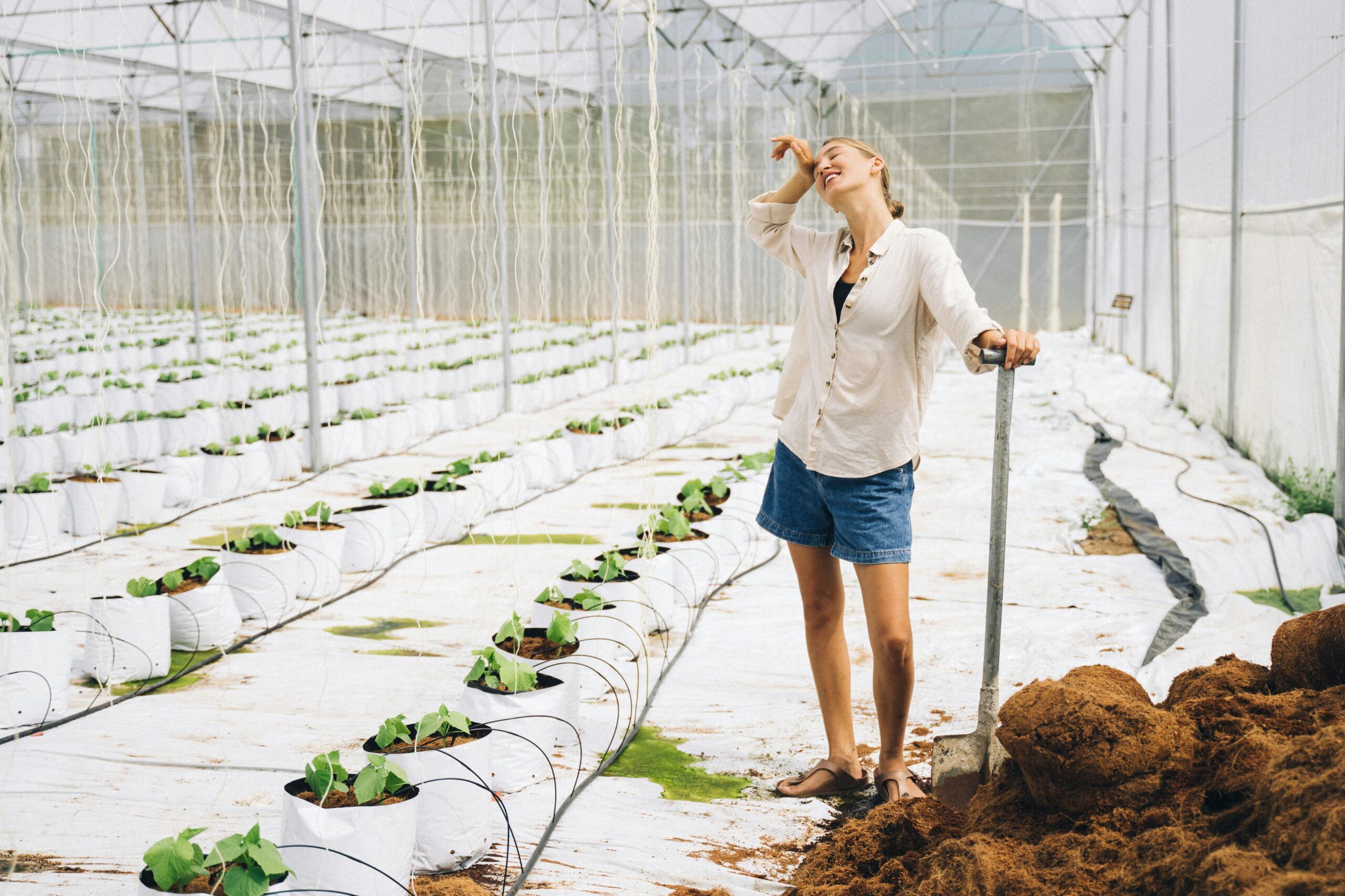
Urban vertical farming is transforming how cities approach food production, sustainability, and community resilience in the face of climate change and population growth.

As metropolitan areas continue to expand and traditional agriculture faces mounting challenges from soil degradation, water scarcity, and transportation costs, innovative solutions are emerging within city limits themselves. Vertical farming networks are creating a new paradigm where fresh produce grows not in distant rural fields, but in the heart of urban landscapes—on rooftops, in abandoned warehouses, and within purpose-built agricultural towers that redefine our relationship with food production.
🌱 Understanding Urban Vertical Farming Networks
Vertical farming represents a revolutionary approach to agriculture that stacks growing systems in vertical layers, typically in controlled indoor environments. Unlike traditional farming that spreads horizontally across vast land areas, vertical farms maximize space efficiency by building upward, making them ideally suited for dense urban environments where real estate comes at a premium.
These networks integrate multiple farming facilities across a city, creating interconnected systems that supply fresh produce to local markets, restaurants, and consumers. The technology behind vertical farming combines hydroponics, aeroponics, and aquaponics with LED lighting systems, climate control, and sophisticated monitoring technologies that optimize growing conditions for maximum yield and nutritional value.
The concept extends beyond individual installations to encompass entire ecosystems of urban agricultural infrastructure. By linking multiple facilities through supply chains, data networks, and shared resources, cities can develop resilient food systems that reduce dependence on distant agricultural regions while cutting transportation emissions dramatically.
The Technology Powering Vertical Agriculture 🔬
Modern vertical farming relies on cutting-edge technologies that would have seemed like science fiction just decades ago. Automated systems control every aspect of plant growth, from nutrient delivery to light spectrum optimization, creating ideal conditions that can produce harvests year-round regardless of external weather conditions.
Hydroponic and Aeroponic Systems
At the core of most vertical farms are soilless growing methods. Hydroponic systems deliver nutrient-rich water directly to plant roots, eliminating the need for traditional soil while using up to 95% less water than conventional agriculture. Aeroponic systems take this efficiency further by misting roots with nutrient solutions, maximizing oxygen exposure and accelerating growth rates significantly.
These systems allow for precise control over nutrient delivery, ensuring plants receive exactly what they need at each growth stage. The result is faster growth cycles, higher yields per square foot, and produce with consistent quality and nutritional profiles that often exceed field-grown alternatives.
Intelligent LED Lighting
Specialized LED lighting systems replace sunlight in vertical farms, offering advantages that natural light cannot match. Farmers can adjust light spectrum, intensity, and duration to optimize photosynthesis for specific crops, even tailoring light recipes to enhance particular flavors, colors, or nutritional compounds.
Modern LEDs consume far less energy than older lighting technologies while producing less heat, reducing cooling requirements. Some facilities even program dynamic lighting schedules that mimic natural day-night cycles or provide extended “growing days” to accelerate production cycles.
Environmental Benefits Reshaping Urban Sustainability 🌍
The environmental case for urban vertical farming networks extends far beyond simple space efficiency. These systems address multiple sustainability challenges simultaneously, offering solutions that traditional agriculture struggles to provide in an era of climate uncertainty.
Dramatic Water Conservation
Water scarcity represents one of agriculture’s most pressing challenges globally. Vertical farms address this through closed-loop water systems that recirculate and reuse water continuously. Evaporation and runoff—major sources of water loss in traditional farming—are virtually eliminated in controlled indoor environments.
This efficiency translates to water usage reductions of 90-95% compared to conventional agriculture for the same crop yields. In water-stressed urban areas, this conservation potential cannot be overstated, particularly as cities worldwide face increasing drought conditions and competition for freshwater resources.
Eliminating Agricultural Runoff
Traditional farming contributes significantly to water pollution through fertilizer and pesticide runoff that contaminates rivers, lakes, and coastal waters. Vertical farming’s closed systems prevent any nutrient solution from entering natural water systems, eliminating this pollution source entirely.
Furthermore, the controlled environment reduces or eliminates pesticide requirements altogether. Many vertical farms operate completely pesticide-free, producing cleaner crops while removing agricultural chemicals from urban ecosystems.
Reducing Food Transportation Emissions
Food miles—the distance food travels from farm to consumer—contribute substantially to greenhouse gas emissions. The average meal in developed countries travels over 1,500 miles before reaching the plate. Urban vertical farms drastically cut these distances, often delivering produce within hours of harvest to consumers just miles away.
This proximity transforms supply chains, reducing refrigerated transportation needs, preserving freshness, and cutting carbon emissions associated with long-distance food distribution. For cities committed to carbon neutrality goals, local food production networks represent essential infrastructure.
Economic Opportunities and Urban Job Creation 💼
Beyond environmental benefits, vertical farming networks create new economic opportunities within urban communities. These high-tech agricultural operations require skilled workers across multiple disciplines, from horticulture and engineering to data analysis and supply chain management.
Cities implementing vertical farming networks see job creation in areas that previously lacked agricultural employment opportunities. These positions typically offer year-round stability rather than seasonal work, with roles ranging from farm technicians and system operators to research scientists developing new growing protocols.
Revitalizing Urban Spaces
Vertical farms breathe new life into underutilized urban spaces. Abandoned warehouses, vacant lots, and obsolete industrial buildings find new purpose as productive agricultural facilities. This adaptive reuse creates economic value from dormant assets while maintaining urban density and character.
Some cities integrate vertical farms into mixed-use developments, combining residential, commercial, and agricultural spaces in innovative ways that create vibrant, self-sufficient neighborhoods with unprecedented access to fresh food.
Addressing Food Security in Growing Cities 🏙️
As global urban populations surge toward 70% of humanity by 2050, cities face mounting pressure to ensure reliable food access for residents. Urban vertical farming networks enhance food security by diversifying supply sources and reducing vulnerability to external disruptions.
Recent global events have highlighted supply chain fragility. Vertical farming networks within city limits create resilient local food systems less susceptible to international disruptions, transportation bottlenecks, or climate events affecting distant agricultural regions.
Democratizing Fresh Produce Access
Food deserts—urban areas lacking access to affordable, nutritious food—plague many cities, particularly in lower-income neighborhoods. Strategically located vertical farms can address these inequities by bringing fresh produce directly into underserved communities.
The ability to produce crops year-round stabilizes supply and pricing, making nutritious vegetables more accessible to populations that historically faced limited options. Community-focused vertical farming initiatives can prioritize local employment and affordable produce distribution, transforming food justice in urban environments.
Challenges Facing Widespread Adoption ⚠️
Despite tremendous potential, urban vertical farming networks face significant obstacles that must be addressed for widespread implementation. Understanding these challenges helps cities develop strategies to overcome them systematically.
High Initial Capital Requirements
Establishing vertical farms demands substantial upfront investment in specialized equipment, building modifications, and technology infrastructure. While operational costs may be competitive with traditional agriculture over time, the initial capital barrier prevents many potential operators from entering the market.
Cities supporting vertical farming development may need to provide financial incentives, loan programs, or public-private partnerships that reduce entry barriers for entrepreneurs and community organizations interested in urban agriculture.
Energy Consumption Concerns
The controlled environments that make vertical farming so productive require significant energy inputs, particularly for lighting and climate control. Critics rightly point out that if this energy comes from fossil fuel sources, the environmental benefits diminish considerably.
Progressive vertical farming networks address this by integrating renewable energy sources, utilizing solar panels, wind energy, or purchasing renewable energy credits. Some facilities achieve near carbon-neutrality by combining energy efficiency improvements with clean power sourcing.
Crop Limitations
Current vertical farming technology excels with leafy greens, herbs, and certain vegetables, but struggles with staple crops like wheat, rice, or corn that require more space and have lower economic value per square foot. This limitation means vertical farms complement rather than replace traditional agriculture entirely.
Ongoing research explores expanding the range of economically viable vertical farm crops, including fruits, root vegetables, and even prototype systems for grains. As technology advances, the diversity of urban-grown produce will likely expand significantly.
Integration with Smart City Infrastructure 📱
Urban vertical farming networks realize their full potential when integrated into broader smart city initiatives. Data connectivity, IoT sensors, and artificial intelligence create synergies that enhance both agricultural operations and urban systems.
Vertical farms generate vast amounts of data on growing conditions, plant health, and resource usage. This information feeds machine learning systems that continuously optimize operations while providing insights applicable across entire farming networks. Cities can analyze aggregated data to improve food planning, identify demand patterns, and coordinate distribution efficiently.
Building Energy Symbiosis
Innovative urban designs create symbiotic relationships between vertical farms and surrounding buildings. Waste heat from vertical farm operations can warm adjacent spaces during cold months, while buildings provide CO2-enriched air that accelerates plant growth—turning a greenhouse gas into an agricultural resource.
These integrated approaches maximize resource efficiency across urban districts, creating circular systems where one facility’s waste becomes another’s input, embodying principles of industrial ecology at neighborhood scales.
Community Engagement and Education 👥
Successful urban vertical farming networks extend beyond food production to become community assets that educate, inspire, and connect residents with food systems. Many facilities incorporate public viewing areas, educational programming, and community events that transform agriculture into an accessible urban experience.
Schools partner with vertical farms for STEM education, providing students hands-on experience with biology, chemistry, engineering, and environmental science through real-world agricultural applications. These programs cultivate agricultural literacy in populations increasingly disconnected from food production.
Community-supported vertical farming initiatives allow residents to invest in or subscribe to local farms, creating direct relationships between growers and consumers while building social capital and neighborhood identity around sustainable food systems.
Policy Frameworks Supporting Urban Agriculture 📋
Cities serious about vertical farming networks must develop supportive policy frameworks that remove regulatory barriers while ensuring safety and quality standards. Progressive urban agriculture policies address zoning restrictions, building codes, water access, and business licensing to accommodate this emerging industry.
Some municipalities offer tax incentives, expedited permitting, or utility rate adjustments for vertical farming operations that meet sustainability criteria. Others incorporate urban agriculture requirements into development plans, ensuring new construction includes space for food production infrastructure.
Public investment in research facilities, demonstration projects, and workforce development programs accelerates vertical farming adoption while building local expertise and supply chains that support industry growth.

Looking Forward: The Urban Agricultural Revolution 🚀
Urban vertical farming networks represent more than agricultural innovation—they embody a fundamental reimagining of city function and form. As climate change intensifies, populations urbanize, and sustainability imperatives grow more urgent, these systems offer practical pathways toward resilient, livable cities.
The next decade will likely see vertical farming transition from novelty to necessity in forward-thinking cities. Technology costs continue declining while efficiency improves, making operations increasingly economically competitive. Expanding crop varieties and improved growing techniques will broaden vertical farming’s agricultural scope significantly.
Cities that invest now in vertical farming infrastructure, supportive policies, and community engagement will reap benefits across environmental, economic, and social dimensions. These urban agricultural networks create jobs, reduce emissions, enhance food security, and reconnect residents with food production in meaningful ways.
The revolution in urban farming is not about replacing traditional agriculture but complementing it with localized, efficient systems optimized for urban contexts. Together, rural and urban agriculture can form resilient food systems capable of nourishing growing populations sustainably.
As vertical farming networks expand and mature, they will increasingly shape urban landscapes—transforming rooftops, revitalizing neighborhoods, and proving that cities need not be food consumers alone but can become productive agricultural centers. This transformation promises cityscapes where fresh, sustainable food grows alongside the people who consume it, creating healthier communities and a more sustainable future for all urban dwellers worldwide.