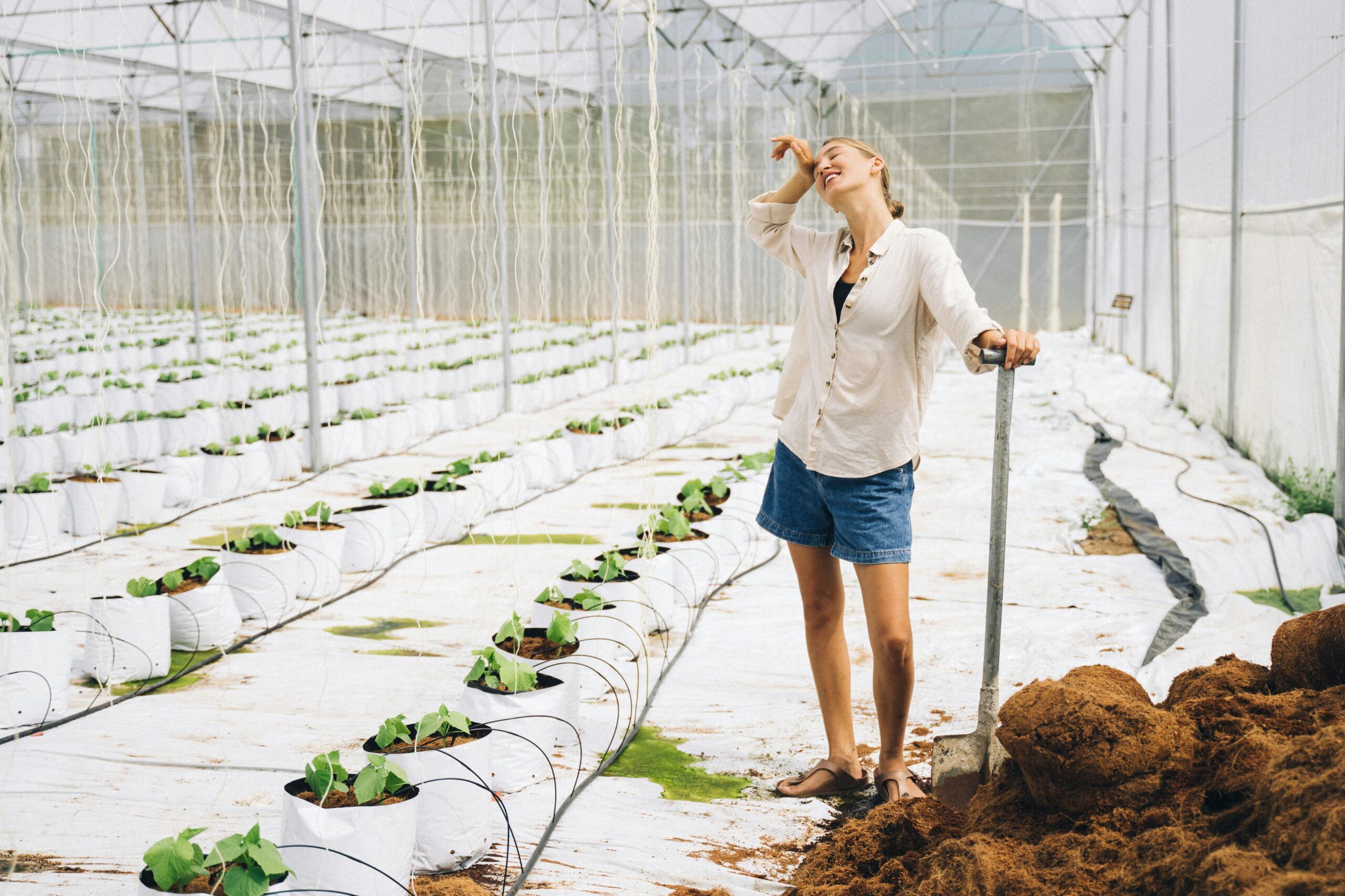
Climate change is reshaping agriculture worldwide, pushing plants to their physiological limits. As temperatures soar, rainfall patterns shift, and soil salinity increases, the need for resilient crops has never been more urgent. Understanding how nature equips organisms to survive these extreme conditions offers a roadmap for sustainable food production in an unpredictable future.

The secret lies within the genetic code itself—a blueprint millions of years in the making. Through genetic adaptation, plants have developed sophisticated mechanisms to withstand drought, heat, and salinity stress. By unlocking these natural strategies and applying modern biotechnology, scientists are creating crop varieties that don’t just survive adverse conditions—they thrive under pressure, promising food security for generations to come.
🌱 The Molecular Language of Survival
Plants cannot flee from environmental stress like animals can. Instead, they’ve evolved intricate molecular defense systems encoded in their DNA. These genetic adaptations represent nature’s own engineering solutions, refined through countless generations of natural selection. When a plant faces drought, extreme heat, or salty soil, specific genes activate, triggering protective responses at the cellular level.
The remarkable aspect of these adaptations is their complexity. Unlike single-gene traits, stress resilience involves coordinated networks of hundreds of genes working in concert. Some genes encode proteins that protect cellular structures from damage, while others regulate water use efficiency or maintain ion balance in cells exposed to excess salt. Understanding this genetic orchestra is fundamental to developing climate-resilient crops.
Stress-Responsive Genes: Nature’s Emergency System
At the heart of plant resilience are stress-responsive genes that act as biological sensors. These genes detect environmental changes and initiate appropriate defense mechanisms. Transcription factors—proteins that control when genes turn on or off—serve as master switches, coordinating the expression of entire gene networks in response to stress signals.
Research has identified several key gene families consistently associated with stress tolerance across plant species. DREB genes help plants survive dehydration by activating protective proteins. LEA genes produce proteins that stabilize cellular structures during water scarcity. HSP genes create heat shock proteins that refold damaged proteins caused by temperature extremes. These genetic tools represent nature’s tested solutions to environmental challenges.
💧 Drought Resilience: Engineering Water-Wise Plants
Water scarcity affects over 40% of the global population and threatens agricultural productivity worldwide. Drought-tolerant plants possess genetic adaptations that minimize water loss, optimize water uptake, and maintain cellular function even under severe dehydration. These natural strategies inspire breeding programs and genetic engineering efforts aimed at creating crops that produce more yield per drop of water.
One powerful adaptation involves modifying root architecture. Deep root systems access water from lower soil layers, while dense root networks maximize water absorption from available soil moisture. Genes controlling root development, such as DRO1 and DEEPER ROOTING, have become targets for improving drought tolerance in staple crops like rice and wheat.
Stomatal Regulation: Controlling the Water Gates
Stomata—tiny pores on leaf surfaces—regulate gas exchange and water loss. Plants adapted to dry environments have evolved sophisticated stomatal control mechanisms that balance photosynthesis with water conservation. Genes affecting stomatal density, size, and responsiveness to environmental cues play crucial roles in drought adaptation.
Modern breeding approaches focus on optimizing stomatal behavior through genetic modification. By introducing genes that make stomata more responsive to drought signals or reduce their density on leaf surfaces, scientists have created crop varieties with improved water use efficiency. These plants maintain productivity while consuming significantly less water—a critical advantage in water-limited agriculture.
Osmotic Adjustment: Cellular Water Management
When water becomes scarce, drought-tolerant plants accumulate compatible solutes—small molecules that help cells retain water without disrupting metabolism. Proline, glycine betaine, and various sugars act as cellular protectants, maintaining turgor pressure and stabilizing proteins and membranes under dehydration stress.
Genetic engineering has successfully enhanced osmotic adjustment capacity in several crops. Introducing genes that boost proline or trehalose production has improved drought tolerance in rice, wheat, and maize. These genetically enhanced varieties demonstrate that mimicking nature’s water management strategies can produce tangible agricultural benefits.
🔥 Heat Tolerance: Surviving Temperature Extremes
Global temperatures are rising, with more frequent and intense heatwaves threatening crop yields worldwide. Heat stress damages cellular proteins, disrupts membrane integrity, and impairs photosynthesis. Plants naturally adapted to hot environments provide genetic blueprints for engineering heat-resilient crops capable of maintaining productivity under elevated temperatures.
Heat shock proteins (HSPs) form the frontline defense against thermal stress. These molecular chaperones refold heat-damaged proteins, prevent protein aggregation, and protect cellular structures. Genes encoding HSPs are universally conserved across plants, and their expression levels correlate strongly with heat tolerance capacity.
Thermostable Enzymes: Keeping Metabolism Running
Photosynthesis—the foundation of plant productivity—is particularly vulnerable to heat stress. The enzyme Rubisco, which captures carbon dioxide, becomes less efficient at elevated temperatures. Some heat-adapted plants possess genetic variants of Rubisco and other photosynthetic enzymes that maintain activity even under thermal stress.
Scientists are working to transfer thermostable enzyme variants from heat-tolerant wild relatives into cultivated crops. These efforts have shown promising results in wheat and rice, where introducing heat-stable versions of key photosynthetic enzymes has maintained grain yields under temperatures that would normally cause significant losses.
Membrane Fluidity: Cellular Flexibility Under Heat
Cell membranes must maintain proper fluidity to function correctly. Heat increases membrane fluidity excessively, while cold makes them too rigid. Heat-adapted plants alter their membrane lipid composition through genetic regulation, maintaining optimal fluidity across temperature ranges. Genes encoding fatty acid desaturases control this adaptation by modifying the saturation levels of membrane lipids.
Research has demonstrated that manipulating membrane lipid composition through genetic engineering can enhance heat tolerance. Crops with modified fatty acid desaturase expression show improved cellular function under heat stress, translating to better growth and yield stability during hot growing seasons.
🧂 Salinity Tolerance: Thriving in Salty Soils
Soil salinization affects approximately 20% of irrigated agricultural land globally, reducing crop productivity and threatening food security. Salt stress creates both osmotic stress and ionic toxicity, particularly from excess sodium. Plants adapted to saline environments—halophytes—possess remarkable genetic mechanisms for salt tolerance that are being harnessed to improve crop resilience.
Salt-tolerant plants employ three main strategies: limiting sodium uptake, sequestering sodium in vacuoles away from sensitive cellular machinery, and maintaining favorable potassium-to-sodium ratios. Each strategy involves specific genes encoding ion transporters and channels that control mineral movement within plant tissues.
Sodium Exclusion: Keeping Salt Out
Some salt-tolerant plants restrict sodium entry into roots or prevent its transport to shoots where it would damage photosynthetic tissues. The SOS (Salt Overly Sensitive) pathway represents a critical genetic network controlling sodium exclusion. The SOS1 gene encodes a sodium-hydrogen antiporter that pumps excess sodium out of cells, while SOS2 and SOS3 genes regulate this process.
Breeding programs have successfully introduced enhanced sodium exclusion capacity into wheat, rice, and barley by selecting for favorable variants of SOS pathway genes. These improved varieties maintain higher yields on saline soils that would severely damage conventional cultivars, expanding the agricultural land base available for food production.
Compartmentalization: Cellular Salt Management
Many salt-tolerant species tolerate high tissue sodium concentrations by sequestering sodium ions in vacuoles—cellular storage compartments—away from sensitive metabolic machinery in the cytoplasm. This compartmentalization strategy requires specialized transporter proteins encoded by genes like NHX, which create sodium-proton antiporters on vacuolar membranes.
Overexpression of NHX genes has improved salt tolerance in tomato, rice, wheat, and other crops. These genetically enhanced plants accumulate sodium in vacuoles rather than allowing it to damage cellular processes, demonstrating higher biomass production and better yield stability on saline soils compared to non-modified varieties.
🔬 Modern Biotechnology: Accelerating Natural Adaptation
While traditional plant breeding has utilized genetic adaptation for centuries, modern biotechnology dramatically accelerates the process. Techniques like marker-assisted selection, genomic selection, and gene editing allow scientists to identify and introduce beneficial genetic variants with unprecedented precision and speed.
CRISPR-Cas9 gene editing technology has revolutionized the development of stress-resilient crops. Unlike transgenic approaches that introduce foreign genes, CRISPR precisely modifies existing genes, creating genetic changes indistinguishable from natural mutations. This precision reduces regulatory barriers and public concerns while enabling targeted improvements in stress tolerance traits.
Genomic Selection: Breeding with Big Data
Genomic selection uses DNA markers distributed throughout the genome to predict which plants will perform best under stress conditions, even before they’re field-tested. By analyzing thousands of genetic markers simultaneously, breeders can select superior parents and accelerate breeding cycles, developing improved varieties in half the time required by conventional methods.
This data-driven approach has produced remarkable results. Drought-tolerant maize varieties developed through genomic selection are now grown on millions of hectares in Africa, providing yield stability during dry seasons. Similar successes in wheat, rice, and other staples demonstrate the power of combining genetic knowledge with computational analysis.
Multi-Stress Tolerance: Stacking Resilience Traits
Real-world agriculture rarely involves single stress conditions. Plants face combinations of drought, heat, and salinity simultaneously. Fortunately, many stress tolerance mechanisms provide cross-protection. Genes that enhance drought tolerance often improve heat and salinity resilience as well, since these stresses share common cellular responses.
Breeding programs increasingly focus on pyramiding multiple stress tolerance genes into single elite varieties. This genetic stacking creates crops with broad-spectrum resilience capable of maintaining productivity across diverse environmental challenges. Such varieties represent the future of climate-smart agriculture, providing farmers with reliable options regardless of weather conditions.
🌍 From Laboratory to Field: Real-World Applications
Scientific discoveries about genetic adaptation only create agricultural impact when translated into varieties farmers can actually grow. Several stress-tolerant crop varieties developed through genetic adaptation research have already reached commercialization, demonstrating measurable benefits in farmer fields worldwide.
Drought-tolerant maize varieties, incorporating multiple genetic improvements in water use efficiency and stress response, now cover over 20 million hectares globally. These varieties maintain yields during moderate drought that would reduce conventional variety productivity by 20-30%, directly improving food security and farmer livelihoods in drought-prone regions.
Success Stories Across Continents
In sub-Saharan Africa, drought-tolerant maize varieties have increased yields by an average of 400 kilograms per hectare under drought conditions—representing about 20% more grain for farmers who previously faced near-total crop failures during dry years. The economic impact translates to millions of dollars in additional income for smallholder farmers.
Heat-tolerant wheat varieties developed for South Asia maintain grain quality and yield under temperatures 2-3°C above optimal growing conditions. Given that wheat production in this region feeds hundreds of millions of people, these genetic improvements provide crucial insurance against yield losses from increasingly frequent heat waves.
Salt-tolerant rice varieties allow productive cultivation on coastal lands affected by seawater intrusion—a growing problem as sea levels rise. In Bangladesh and Vietnam, these varieties have reclaimed agricultural lands abandoned due to salinity, expanding food production capacity in regions facing severe land pressure.
🔮 Future Horizons: Next-Generation Resilience
Current successes represent only the beginning of what genetic adaptation can achieve. Emerging technologies and deeper understanding of plant biology promise even more sophisticated approaches to building stress resilience. Synthetic biology, artificial intelligence-guided breeding, and advanced gene editing techniques are converging to create opportunities previous generations couldn’t imagine.
Researchers are exploring how to recreate C4 photosynthesis—a more efficient carbon fixation pathway—in C3 crops like rice and wheat. This monumental undertaking involves coordinating changes in dozens of genes but would dramatically improve both heat tolerance and water use efficiency, potentially increasing yields by 50% or more while reducing water requirements.
Learning from Extremophiles
Nature has already solved the problems agriculture faces. Extremophile plants thriving in deserts, salt flats, and thermal hot springs possess genetic adaptations that far exceed current crops. Resurrection plants can survive near-complete dehydration, some halophytes tolerate salt concentrations that would kill conventional crops instantly, and certain species thrive in Death Valley’s extreme heat.
Mining the genomes of these extremophiles for novel stress tolerance genes represents a frontier in crop improvement. As sequencing costs plummet and computational analysis advances, scientists can identify genetic innovations that evolution has perfected over millions of years and introduce them into crops, creating resilience that surpasses anything currently available.
🌾 Bridging Science and Sustainability
Genetic adaptation for stress resilience aligns perfectly with sustainable agriculture goals. By enabling crops to maintain productivity under adverse conditions with fewer inputs, stress-tolerant varieties reduce the environmental footprint of farming. Water-efficient crops require less irrigation, preserving precious freshwater resources. Heat-tolerant varieties maintain yields without expanding agricultural land into natural ecosystems.
The sustainability benefits extend beyond resource conservation. Stress-resilient crops reduce year-to-year yield variability, providing farmers with more predictable incomes and reducing food price volatility that disproportionately affects the world’s poorest populations. This stability strengthens rural communities and reduces pressure for agricultural expansion into forests and grasslands.
Importantly, genetic approaches complement rather than replace other sustainable practices. Stress-tolerant varieties perform best when integrated with conservation agriculture, improved soil management, and agroecological principles. The combination of genetic resilience and sound agronomic practices creates farming systems truly equipped for climate uncertainty.
🎯 The Path Forward: Challenges and Opportunities
Despite remarkable progress, significant challenges remain. Regulatory frameworks for genetically improved crops vary widely across countries, slowing adoption of beneficial innovations. Public perception of genetic technologies sometimes lags behind scientific consensus on safety and efficacy. Ensuring that smallholder farmers in developing countries access stress-tolerant varieties requires continued investment in public breeding programs and seed systems.
Intellectual property concerns also merit attention. While private sector innovation has produced valuable stress-tolerant varieties, ensuring that genetic resources and resulting varieties remain accessible to all farmers—particularly those in developing countries most vulnerable to climate change—requires thoughtful policy frameworks balancing innovation incentives with equitable access.
Looking ahead, the convergence of genetic knowledge, biotechnology tools, and global collaboration offers unprecedented opportunities. International research partnerships are sharing germplasm and genetic resources, accelerating development of locally adapted stress-tolerant varieties. Open-source breeding initiatives are making advanced genetic tools accessible to public sector breeders worldwide.
💡 Cultivating Resilience for Tomorrow
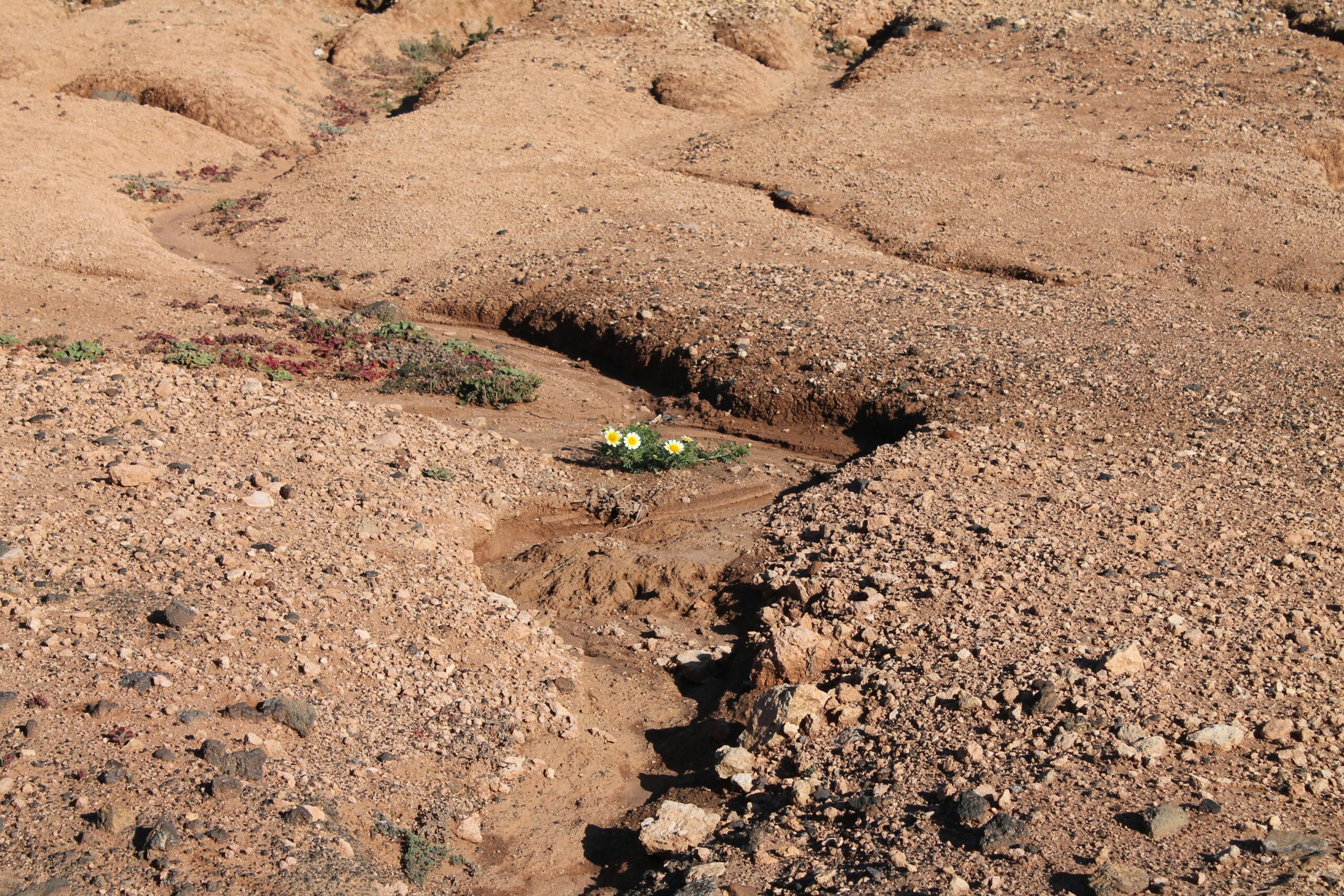
Unlocking nature’s blueprint for stress resilience through genetic adaptation represents one of humanity’s most powerful tools for ensuring food security amid climate change. The sophisticated molecular mechanisms plants have evolved over millions of years provide proven strategies for surviving environmental extremes. Modern biotechnology enables us to harness these natural adaptations, transferring resilience traits into crops that feed the world.
The achievements already realized—drought-tolerant maize across Africa, heat-resistant wheat in Asia, salt-tolerant rice in coastal regions—demonstrate that science-based approaches to crop improvement deliver tangible benefits to farmers and consumers. These successes validate the promise of genetic adaptation while highlighting the work remaining to fully realize its potential.
As climate change accelerates, the urgency of developing resilient crops intensifies. The genetic diversity within crop wild relatives and extremophile plants holds solutions to challenges agriculture hasn’t yet faced. By continuing to decode nature’s stress tolerance strategies and thoughtfully applying biotechnology tools, we can create crops that don’t merely survive future environmental conditions—they thrive, ensuring abundant harvests even under pressure and securing nutrition for a growing global population navigating an uncertain climate future.