Urban centers worldwide face mounting challenges in ensuring stable, nutritious food access for growing populations. Climate disruption, supply chain vulnerabilities, and economic instability threaten the delicate balance between cities and their food sources.

The COVID-19 pandemic exposed critical weaknesses in global food systems, with urban communities experiencing unprecedented disruptions. Empty supermarket shelves and transportation bottlenecks revealed how dependent cities have become on complex, fragile supply networks. This wake-up call has sparked renewed interest in local food production and sustainable supply chains as essential components of urban resilience.
🌆 Understanding Urban Food Security in Modern Cities
Food security exists when all people, at all times, have physical and economic access to sufficient, safe, and nutritious food. In urban environments, this definition takes on additional complexity due to population density, limited agricultural space, and dependence on external supply chains.
Modern cities consume vast quantities of food daily while producing relatively little within their boundaries. This disconnect creates vulnerability to disruptions ranging from natural disasters to economic shocks. Urban food security requires a multi-faceted approach that addresses availability, accessibility, utilization, and stability simultaneously.
The relationship between cities and their food sources has evolved dramatically over centuries. Where medieval cities maintained close connections to surrounding agricultural lands, contemporary urban centers often import food from thousands of miles away. This globalization brought variety and year-round availability but at the cost of resilience and sustainability.
The Critical Role of Local Food Production 🌱
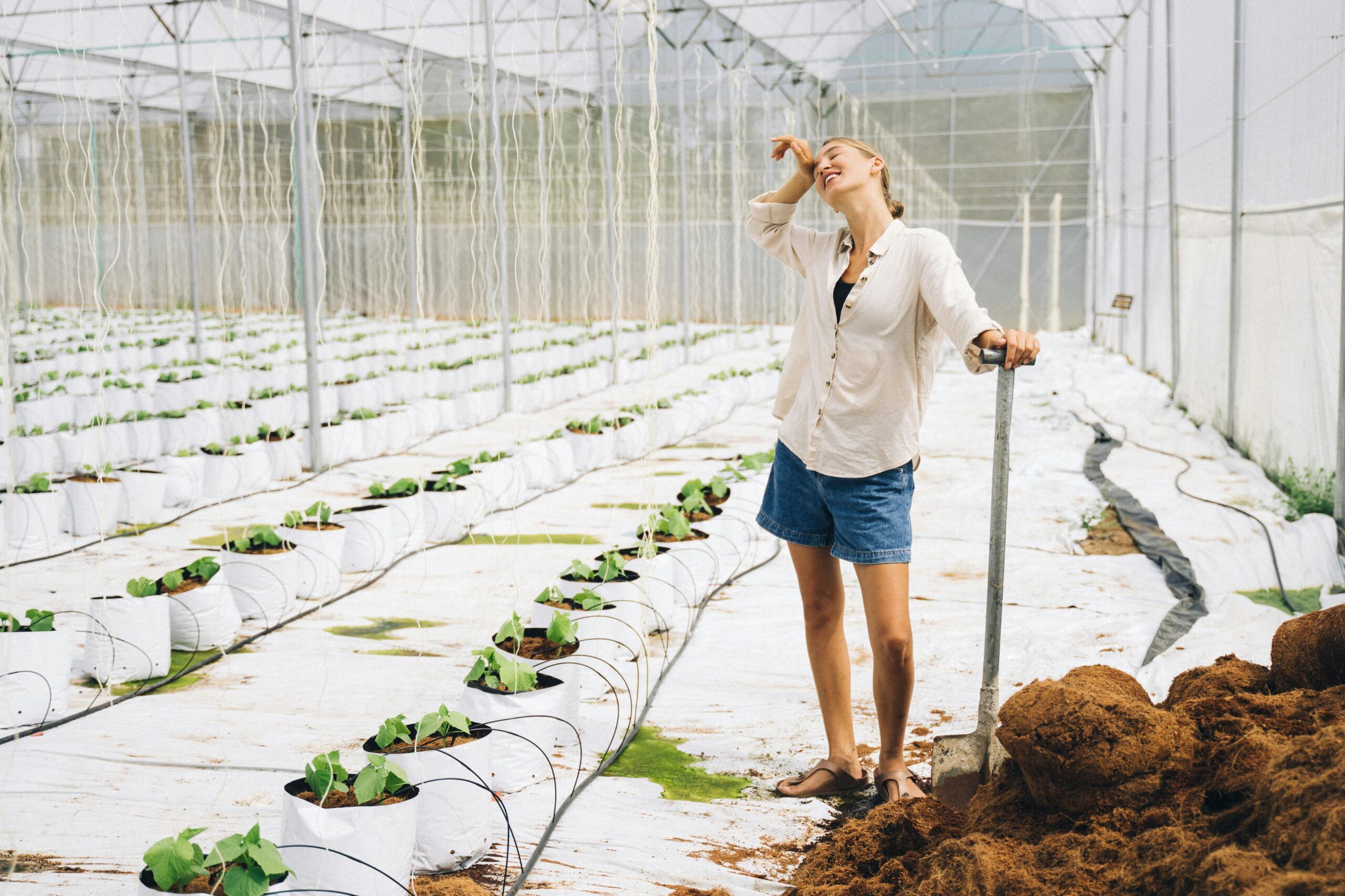
Local food production represents a cornerstone strategy for building resilient urban food systems. By cultivating food within or near city boundaries, communities reduce transportation vulnerabilities, lower carbon footprints, and create economic opportunities for local residents.
Urban Agriculture Models That Work
Successful urban food production takes many forms, each adapted to specific urban contexts and resources. Rooftop gardens transform underutilized spaces into productive growing areas while providing insulation benefits. Community gardens foster social cohesion alongside vegetable cultivation, creating shared spaces where neighbors collaborate on food production.
Vertical farming leverages technology to maximize production in minimal space, using controlled environments to grow crops year-round regardless of weather conditions. These innovative facilities can produce significant yields per square foot, making them particularly valuable in land-scarce urban areas.
Peri-urban agriculture, situated on city edges, bridges rural and urban food systems. These operations can operate at larger scales than inner-city gardens while maintaining proximity to urban markets, reducing transportation costs and emissions while supporting fresher product delivery.
Overcoming Urban Growing Challenges
Urban food production faces distinctive obstacles that require creative solutions. Limited space demands innovative growing techniques like vertical stacking, hydroponics, and intensive intercropping. Soil contamination in former industrial areas necessitates raised beds, container growing, or soil remediation before cultivation.
Water access and management present ongoing challenges, particularly in water-scarce regions. Drip irrigation, rainwater harvesting, and greywater recycling systems help urban growers maximize water efficiency while reducing strain on municipal supplies.
Zoning regulations and property rights often restrict agricultural activities in urban zones. Progressive cities are updating ordinances to accommodate and encourage urban farming, recognizing its multiple benefits for food security, community development, and environmental sustainability.
Building Sustainable Supply Chains for Urban Resilience 🚚
While local production strengthens urban food security, sustainable supply chains remain essential for meeting complete nutritional needs. Cities cannot produce everything locally; strategic supply chain design ensures reliable access to diverse, nutritious foods while minimizing environmental impact.
Shortening Food Miles and Distribution Networks
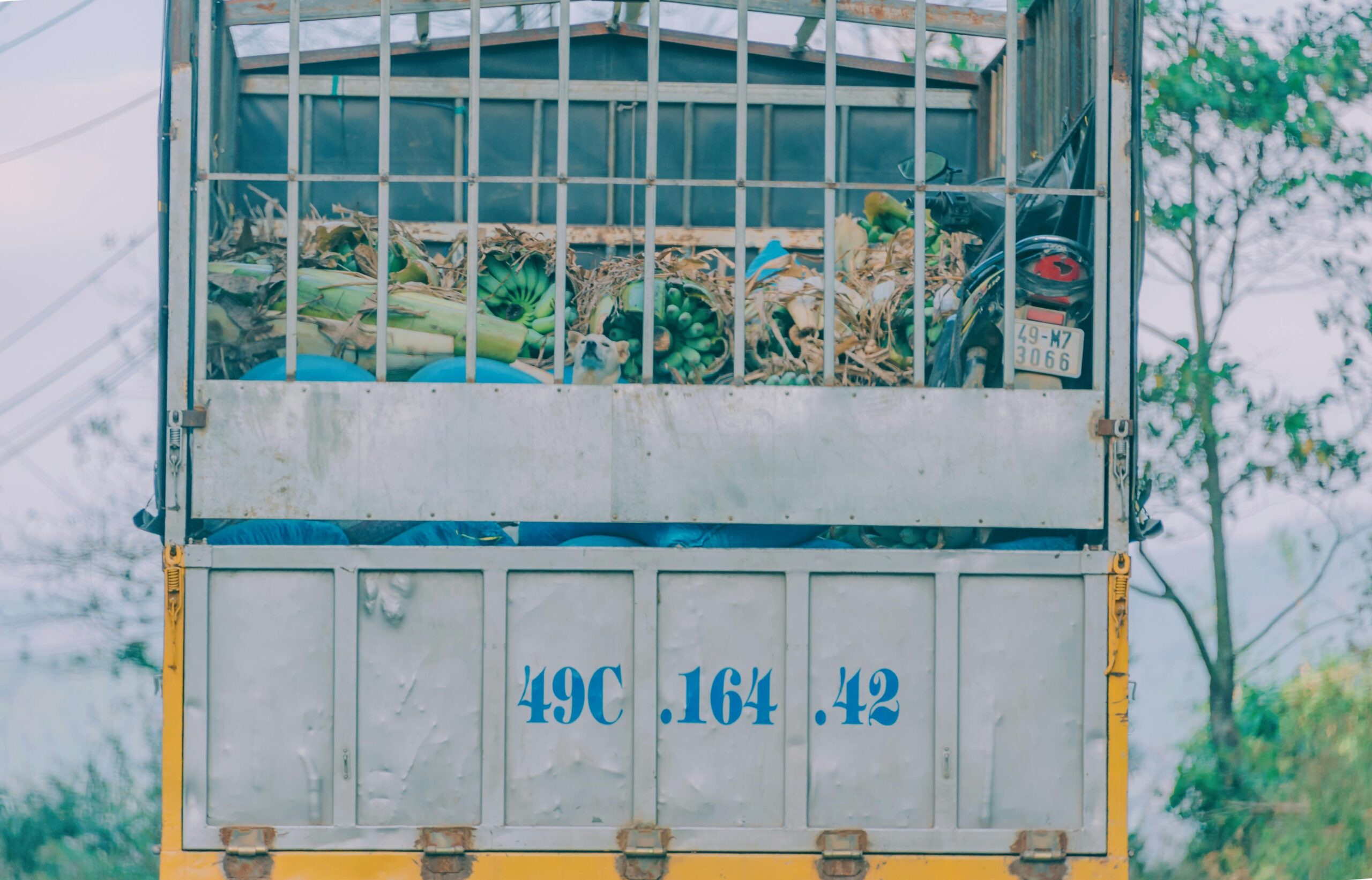
The distance food travels from farm to plate significantly impacts sustainability and resilience. Shorter supply chains reduce transportation emissions, preserve freshness, and create fewer points of potential disruption. Regional food hubs aggregate products from multiple local producers, creating efficient distribution systems that connect farmers with urban markets.
Direct-to-consumer models like farmers markets and community-supported agriculture programs eliminate intermediaries, strengthening connections between producers and consumers. These relationships build mutual understanding and loyalty that withstand economic pressures better than anonymous commodity chains.
Technology platforms now facilitate local food connections at unprecedented scale. Digital marketplaces connect urban consumers with nearby farmers, while logistics optimization software routes deliveries efficiently, reducing costs and environmental impact.
Diversifying Food Sources and Suppliers
Resilience requires diversity. Cities relying on single suppliers or narrow geographic sources face heightened vulnerability to localized disruptions. Strategic diversification spreads risk across multiple producers, regions, and transportation routes.
Seasonal eating aligned with local production cycles reduces dependence on distant sources and refrigerated transportation. Educational campaigns help consumers understand seasonal availability and appreciate the benefits of eating foods at peak freshness.
Building relationships with multiple regional producers creates redundancy in supply networks. When one source experiences problems, alternatives can fill gaps, maintaining steady food availability despite localized challenges.
Infrastructure Investments That Strengthen Food Systems 🏗️
Resilient urban food security requires physical infrastructure supporting production, storage, and distribution. Strategic investments in these systems pay dividends through reduced waste, improved access, and enhanced crisis preparedness.
Cold Storage and Processing Facilities
Adequate refrigerated storage capacity prevents post-harvest losses and extends seasonal availability of perishable foods. Strategically located cold storage facilities near production areas and urban distribution points maintain food quality throughout supply chains.
Processing infrastructure adds value to agricultural products while reducing waste. Facilities that freeze, can, or otherwise preserve surplus production capture peak-season abundance for year-round consumption, stabilizing supplies and prices.
Public Markets and Distribution Centers
Revitalized public markets serve as community anchors while facilitating food distribution. These spaces provide venues where multiple vendors offer diverse products, creating competitive pricing and abundant choice for consumers while supporting small-scale producers.
Wholesale distribution centers designed for local and regional products streamline logistics for restaurants, institutions, and retailers. Purpose-built facilities with appropriate equipment and loading infrastructure reduce handling costs and spoilage.
Policy Frameworks That Enable Urban Food Resilience 📋
Government policies profoundly influence urban food systems. Forward-thinking regulations and incentive programs accelerate development of local production capacity and sustainable supply chains while removing barriers to innovation.
Urban Planning and Zoning Reform
Integrating food systems thinking into urban planning ensures cities develop with food security in mind. Zoning codes that permit agricultural activities in appropriate urban contexts enable entrepreneurial growers to establish businesses legally.
Preserving agricultural land near urban areas through conservation easements and growth boundaries maintains productive capacity within regional food sheds. These protective measures prevent sprawl from consuming farmland that serves critical food security functions.
Financial Incentives and Support Programs
Tax incentives for urban agriculture operations reduce financial barriers to establishing production facilities. Property tax reductions for land used for agriculture encourage landowners to make spaces available for growing.
Grant programs funding urban farming infrastructure, cold storage facilities, and farmers market development accelerate system development. Public investment catalyzes private activity, multiplying impact beyond direct expenditures.
Procurement policies directing institutional food purchases toward local suppliers create reliable markets that sustain producer businesses. Schools, hospitals, and government cafeterias represent significant demand that can anchor local food economies.
Community Engagement and Food Justice Considerations ✊
Truly resilient urban food systems ensure equitable access across all communities, addressing historical disparities in food availability and quality. Building inclusive systems requires intentional attention to underserved populations and neighborhood-level needs.
Addressing Food Deserts and Access Barriers
Many urban neighborhoods lack adequate grocery stores offering fresh, affordable produce. Mobile markets, community grocery cooperatives, and incentive programs attracting retailers to underserved areas improve physical access to nutritious foods.
Economic accessibility remains equally important. Subsidy programs enabling low-income residents to purchase fresh local produce at farmers markets expand customer bases while serving social equity goals.
Building Community Capacity and Knowledge
Educational programs teaching gardening skills, food preservation, and cooking techniques empower residents to participate actively in local food systems. Knowledge sharing creates multiplier effects as trained individuals teach others, spreading capabilities throughout communities.
Youth engagement programs cultivate next-generation food system leaders while providing healthy activities and nutrition education. School gardens connect children with food origins, building appreciation for agriculture and healthy eating.
Technology and Innovation Driving Urban Food Solutions 💡
Technological advances create unprecedented opportunities for urban food production and distribution. From precision agriculture to digital platforms, innovation enhances efficiency and sustainability while addressing traditional constraints.
Smart Agriculture and Data-Driven Growing
Sensor networks monitoring soil moisture, nutrient levels, and plant health enable precise resource application, reducing water and fertilizer waste. Data analytics identify optimal growing conditions and predict yields, improving planning and resource allocation.
Automated systems control temperature, lighting, and irrigation in controlled-environment agriculture, maximizing productivity while minimizing labor requirements. These technologies make urban farming economically viable despite higher land and operating costs.
Digital Platforms Connecting Producers and Consumers
Online marketplaces aggregate offerings from multiple local producers, creating convenient one-stop shopping for consumers while expanding market access for small-scale growers. Subscription-based delivery services build predictable demand that helps farmers plan production.
Blockchain technology enhances supply chain transparency, allowing consumers to verify food origins and production methods. This traceability builds trust while enabling rapid response to food safety concerns.
Climate Adaptation and Environmental Sustainability 🌍
Climate change intensifies urban food security challenges through extreme weather, shifting growing seasons, and resource scarcity. Resilient cities adapt food systems to changing conditions while minimizing environmental impacts.
Water-Efficient Production Methods
Hydroponics and aquaponics use significantly less water than conventional agriculture, making them ideal for water-stressed urban areas. Closed-loop systems recirculate water, dramatically reducing consumption while maintaining productivity.
Drought-resistant crop varieties adapted to local conditions ensure continued production despite reduced rainfall. Diversifying crops and planting schedules spreads climate risk across multiple growing strategies.
Soil Health and Carbon Sequestration
Urban agriculture operations practicing regenerative techniques build soil organic matter that stores carbon while improving water retention and fertility. Composting programs diverting organic waste from landfills create soil amendments while reducing methane emissions.
Green infrastructure integrating food production with stormwater management provides multiple benefits. Rain gardens and bioswales featuring edible plants manage runoff while producing food, demonstrating how urban systems can serve multiple functions simultaneously.
Measuring Success and Continuous Improvement 📊
Effective urban food security initiatives require monitoring and evaluation to assess progress and identify improvement opportunities. Comprehensive metrics capture multiple dimensions of food system resilience and sustainability.
Key Performance Indicators for Urban Food Systems
Tracking local food production volume relative to urban consumption reveals self-sufficiency trends. Monitoring the percentage of food consumed within the region that originates locally indicates supply chain localization progress.
Food access metrics including grocery store density, healthy food availability, and affordability indicators identify gaps requiring intervention. Regular assessment ensures resources target communities with greatest needs.
Environmental impact measures including carbon footprint, water consumption, and waste generation demonstrate sustainability progress. Economic indicators tracking jobs created, business revenue, and multiplier effects quantify food system contributions to urban prosperity.
Creating Your Urban Food Security Action Plan 🎯
Building resilient urban food systems requires coordinated action across government, business, nonprofit, and community sectors. Successful initiatives begin with assessment, proceed through strategic planning, and implement through phased action with ongoing adaptation.
Start by mapping existing food system assets including production sites, markets, processing facilities, and distribution infrastructure. Identify gaps and vulnerabilities requiring attention. Engage diverse stakeholders in visioning processes that articulate shared goals and priorities.
Develop implementation roadmaps with specific projects, responsible parties, timelines, and resource requirements. Quick wins demonstrating early success build momentum for longer-term transformations. Pilot projects test approaches before scaling successful models.
Establish feedback mechanisms capturing lessons learned and emerging opportunities. Regular review cycles ensure plans remain responsive to changing conditions and new information. Celebrate successes while acknowledging challenges, maintaining realistic expectations about transformation timelines.
Urban food security represents a complex challenge without simple solutions, but the path forward combines proven strategies with innovative approaches tailored to local contexts. Local food production and sustainable supply chains form complementary foundations supporting resilient cities capable of feeding residents through disruptions while advancing environmental sustainability and social equity. The transition requires sustained commitment, but the benefits—healthier communities, stronger local economies, and reduced environmental impact—justify the effort. Cities embracing this transformation position themselves to thrive regardless of external challenges, ensuring all residents enjoy reliable access to nutritious, sustainably produced food.