
Modern agriculture stands at a crossroads, where traditional methods meet cutting-edge technology. The future of food production lies in innovative systems that maximize yield while minimizing resource consumption and environmental impact.

Farmers and growers worldwide are discovering that conventional soil-based agriculture no longer represents the only viable path forward. Climate change, water scarcity, and shrinking arable land demand revolutionary approaches. High-efficiency growing systems—hydroponics, aeroponics, and aquaponics—offer solutions that transform how we cultivate crops, promising unprecedented productivity and sustainability for generations to come.
🌱 Understanding the Agricultural Revolution Unfolding Before Us
The agricultural landscape is experiencing its most significant transformation since the mechanization era. High-efficiency growing systems represent more than mere technological curiosities—they embody fundamental shifts in our relationship with food production. These methods eliminate soil dependency, drastically reduce water usage, and enable year-round cultivation regardless of climate or geography.
Traditional farming consumes approximately 70% of global freshwater resources, occupies vast land areas, and remains vulnerable to weather fluctuations. In contrast, hydroponics uses up to 90% less water, aeroponics reduces consumption even further, and aquaponics creates closed-loop ecosystems that recycle nutrients continuously. These systems operate in controlled environments, from urban warehouses to desert regions, democratizing agriculture like never before.
The economic implications are equally compelling. Higher yields per square foot, faster growth cycles, and reduced labor costs translate into improved profitability. Crops grown hydroponically mature 30-50% faster than soil-grown counterparts, while aeroponic systems can accelerate growth even more dramatically. For commercial operations and home gardeners alike, these advantages are revolutionizing expectations.
💧 Hydroponics: The Water-Based Growing Revolution
Hydroponics represents the most established of the high-efficiency growing systems, with roots stretching back to ancient Babylon’s hanging gardens. Modern hydroponics delivers nutrients directly to plant roots through water-based solutions, eliminating soil entirely from the equation. This precision approach ensures plants receive exactly what they need, when they need it.
Several hydroponic methods have gained prominence, each offering distinct advantages. Deep Water Culture (DWC) suspends plant roots in oxygenated nutrient solutions, providing constant access to food and water. Nutrient Film Technique (NFT) circulates a thin film of nutrient solution along channels, allowing roots to absorb nutrients while accessing oxygen. Ebb and Flow systems periodically flood growing beds before draining, creating cycles that promote robust root development.
Key Benefits That Make Hydroponics Irresistible
Water conservation stands as hydroponics’ most compelling environmental benefit. Traditional agriculture loses water to evaporation, runoff, and deep soil percolation. Hydroponic systems recirculate water, replacing only what plants consume and what evaporates from leaf surfaces. This efficiency proves invaluable in drought-prone regions and urban settings where water costs remain high.
Space efficiency transforms urban agriculture possibilities. Vertical hydroponic towers stack growing positions, producing lettuce, herbs, and strawberries in spaces formerly considered unsuitable for farming. Shipping containers converted to hydroponic farms now operate in parking lots, rooftops, and abandoned buildings, bringing fresh produce to food deserts.
Pest and disease management becomes dramatically simpler without soil-borne pathogens. While hydroponics doesn’t eliminate all agricultural challenges, removing soil removes countless problems. Fungal infections, root-knot nematodes, and bacterial wilts that plague traditional farmers become far less concerning. This reduction often allows growers to minimize or eliminate pesticide applications entirely.
Crops That Thrive in Hydroponic Environments
Leafy greens dominate commercial hydroponic operations for excellent reasons. Lettuce, spinach, kale, and arugula grow rapidly, command premium prices, and adapt perfectly to hydroponic conditions. Their shallow root systems and quick turnaround times maximize profitability while minimizing complexity for beginning growers.
Herbs represent another hydroponic success story. Basil, cilantro, mint, and parsley flourish in water-based systems, producing aromatic, flavorful harvests year-round. Restaurants and specialty food markets eagerly purchase fresh-cut herbs, creating reliable revenue streams for small-scale operations.
Fruiting plants including tomatoes, peppers, cucumbers, and strawberries also excel hydroponically, though they demand more sophisticated nutrient management and environmental control. Commercial greenhouse operations produce millions of pounds of hydroponic tomatoes annually, demonstrating the system’s scalability and economic viability.
🌬️ Aeroponics: Growing Plants in Thin Air
Aeroponics pushes efficiency boundaries further by eliminating water as a growing medium. Instead, plants suspend in air with roots exposed, receiving nutrition through fine mist applications. This seemingly radical approach delivers remarkable results, accelerating growth rates while reducing water consumption to absolute minimums.
The technology emerged from NASA research seeking methods for space-based food production. Without gravity to distribute water and nutrients, aeroponic misting proved ideal for extraterrestrial agriculture. Today, terrestrial growers harness these same principles to achieve unprecedented efficiency and productivity.
Root zone oxygenation reaches maximum levels in aeroponic systems. While hydroponic growers must actively oxygenate nutrient solutions, aeroponic roots access atmospheric oxygen directly. This abundance accelerates cellular respiration, enabling faster nutrient uptake and more vigorous growth. Studies document growth rate increases of 50% or more compared to traditional methods.
Aeroponic System Designs and Configurations
Low-pressure aeroponic systems utilize standard spray nozzles to deliver nutrient mist at regular intervals. These simpler designs offer accessibility for home growers and small operations while delivering substantial benefits over soil cultivation. Components remain relatively affordable and maintenance requirements stay manageable.
High-pressure aeroponic systems represent the technology’s cutting edge, employing specialized nozzles that atomize nutrients into microscopic droplets. These ultra-fine mists maximize root surface coverage while minimizing water usage. Commercial operations favor high-pressure designs despite increased complexity and cost, recognizing superior performance justifies the investment.
Tower aeroponics arranges growing positions vertically around central misting chambers, maximizing space utilization. These designs suit urban environments perfectly, transforming small footprints into productive farms. Some installations achieve yields equivalent to multiple acres of traditional farmland within single-room footprints.
Challenges and Considerations for Aeroponic Success ⚠️
Technical complexity exceeds hydroponics significantly. Pumps, timers, and misting nozzles must function reliably because root exposure to air means plants dehydrate rapidly if systems fail. Backup power supplies and redundant components become essential for commercial operations where crop losses could prove financially devastating.
Initial investment costs run higher than hydroponic alternatives. Specialized equipment, sophisticated control systems, and climate management infrastructure require substantial capital. However, operational efficiency and increased yields often recover these expenses within a few growing cycles, particularly for high-value crops.
Learning curves steep enough to intimidate beginners make education crucial. Aeroponic success demands understanding of plant physiology, nutrient chemistry, and system engineering. Fortunately, online communities, courses, and consultants help newcomers navigate challenges and avoid costly mistakes.
🐟 Aquaponics: The Symbiotic Growing Ecosystem
Aquaponics merges aquaculture and hydroponics into integrated systems where fish and plants benefit mutually. Fish waste provides organic nutrients for plants, while plants purify water for fish. This elegant synergy creates self-sustaining ecosystems that produce both protein and produce simultaneously.
The biological foundation rests on nitrifying bacteria that convert ammonia from fish waste into nitrates plants readily absorb. This nitrogen cycle mirrors natural aquatic ecosystems, harnessing biological processes perfected over millions of years. When balanced properly, aquaponic systems achieve remarkable stability, requiring minimal external inputs.
Sustainability credentials surpass even hydroponics and aeroponics. Beyond water conservation, aquaponics creates complete food production ecosystems. Protein from tilapia, trout, or other species complements vegetables and herbs, diversifying output and nutrition. For homesteaders and sustainability enthusiasts, aquaponics represents the ultimate closed-loop system.
Popular Fish Species for Aquaponic Systems
Tilapia dominates aquaponic operations worldwide due to hardiness, rapid growth, and tolerance for varying water conditions. These fish thrive in temperatures between 75-85°F, matching optimal ranges for many crops. Their mild flavor and firm texture appeal to consumers, while their productivity satisfies growers.
Trout offers cold-water alternatives for operations in cooler climates. Rainbow trout, in particular, commands premium market prices while adapting well to aquaponic environments. Their higher oxygen requirements demand careful system design but reward growers with exceptional quality protein.
Ornamental fish including koi and goldfish suit systems focused primarily on plant production rather than food fish. These decorative species still generate nutrients for plants while creating aesthetically pleasing installations for homes, restaurants, or educational settings.
System Designs That Maximize Aquaponic Potential
Media-based aquaponics employs grow beds filled with expanded clay pellets, gravel, or similar materials. These beds house both plants and beneficial bacteria, serving as biological filters. This design’s simplicity and reliability make it ideal for beginners and home systems.
Deep Water Culture aquaponics floats plant rafts atop fish tanks or separate growing beds. Commercial operations favor this approach for producing leafy greens at scale. Large surface areas accommodate numerous plants while maintaining clean aesthetics and easy harvest access.
Nutrient Film Technique aquaponics adapts hydroponic NFT principles to aquaponic contexts. Fish water flows through channels supporting plants before returning to fish tanks. This design suits operations emphasizing efficiency and automation, though it demands more sophisticated management than media-based alternatives.
🚀 Implementing High-Efficiency Systems: Practical Pathways Forward
Transitioning from conventional growing methods requires careful planning and realistic expectations. Starting small allows experimentation without overwhelming financial risk. A modest hydroponic setup costing a few hundred dollars teaches fundamental principles while producing real harvests. Success at small scales builds confidence and knowledge for expansion.
Location selection profoundly impacts outcomes. Indoor systems offer complete environmental control but require artificial lighting, climate management, and adequate electrical capacity. Greenhouse installations balance natural lighting with weather protection, reducing energy costs while extending growing seasons. Outdoor systems in suitable climates minimize infrastructure needs but sacrifice some control.
Climate control becomes increasingly important as operation scale increases. Temperature, humidity, and ventilation directly influence plant health and productivity. Automated controllers maintain optimal conditions, though they add complexity and cost. For beginners, starting in naturally moderate environments simplifies management considerably.
Essential Equipment and Investment Considerations 💰
Basic hydroponic systems require growing containers, nutrient solutions, pH testing equipment, and in many cases, air pumps for oxygenation. Entry-level setups start around $100-$300 for home gardens, while commercial installations demand investments ranging from thousands to hundreds of thousands depending on scale and sophistication.
Aeroponic systems add misting equipment, timers, and typically more robust structural components. Expect minimum investments around $500-$1000 for DIY home systems, with commercial operations requiring substantially more for reliability and redundancy.
Aquaponic systems involve fish tanks, plumbing, grow beds, and biological filtration components. Starter kits range from $500-$2000, while professional installations easily exceed $10,000. However, the dual output of fish and plants can justify higher initial costs through diversified revenue streams.
Nutrient Management Mastery
Understanding plant nutrition proves essential across all systems. Macronutrients including nitrogen, phosphorus, and potassium form the foundation, while micronutrients like iron, calcium, and magnesium play crucial supporting roles. Pre-mixed hydroponic nutrients simplify management for beginners, though experienced growers often formulate custom blends optimizing specific crops.
pH monitoring requires constant attention. Most plants thrive between 5.5-6.5 pH in soilless systems. Too high or low, and nutrient availability plummets even when concentrations remain adequate. Inexpensive pH meters and adjustment solutions make this critical parameter manageable.
Electrical conductivity (EC) measurements indicate overall nutrient concentration. As plants consume nutrients and water, EC levels fluctuate, requiring periodic adjustments. Digital EC meters costing $30-$100 provide reliable readings, preventing both nutrient deficiencies and toxic buildup.
🌍 Environmental Impact and Sustainability Advantages
Water scarcity threatens agricultural productivity globally. High-efficiency systems address this crisis directly. Hydroponics reduces water consumption by 70-90% compared to field farming. Aeroponics pushes savings even higher, while aquaponics recycles water continuously. For regions facing drought or limited freshwater access, these technologies offer lifelines to food security.
Land use efficiency multiplies productivity per acre dramatically. Vertical growing arrangements stack production, with some installations achieving 100 times the output of equivalent field acreage. This density enables agriculture in urban cores, reducing transportation costs and emissions while delivering fresher produce to consumers.
Chemical reduction benefits environment and health alike. Precision nutrient delivery minimizes runoff pollution plaguing conventional agriculture. Controlled environments reduce pest pressure, decreasing or eliminating pesticide needs. Consumers increasingly demand clean, sustainable produce, creating market premiums for products from high-efficiency systems.
🎯 Commercial Opportunities and Market Trends
The controlled environment agriculture market expands rapidly, with projections exceeding $200 billion by 2030. Investors recognize these systems’ potential to revolutionize food production, funding facilities worldwide. From small local operations to massive vertical farms, opportunities span all scales and market segments.
Restaurant partnerships provide reliable revenue for quality-focused growers. Chefs prize freshness and consistency that high-efficiency systems deliver. Some restaurants integrate growing systems directly into dining spaces, showcasing sustainability while ensuring ultimate farm-to-table freshness.
Educational institutions increasingly install demonstration systems, teaching next-generation farmers while researching optimization techniques. Schools, universities, and agricultural extensions recognize preparing students for agriculture’s technological future requires hands-on experience with these methods.
✨ Your Journey Toward Agricultural Innovation Begins Now
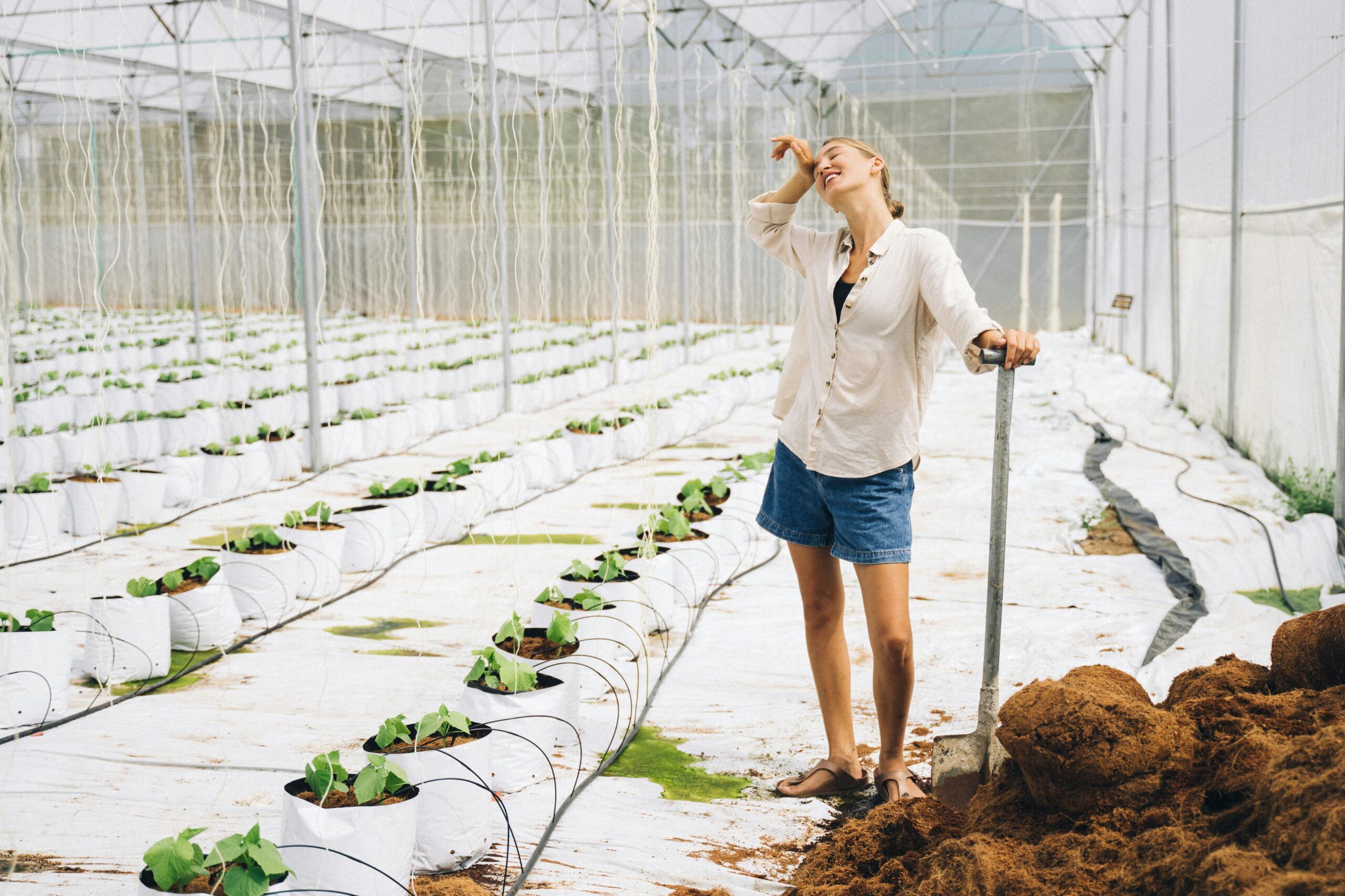
High-efficiency growing systems represent far more than agricultural trends—they embody necessary evolution responding to planetary challenges. Water scarcity, climate instability, and growing populations demand smarter food production. Hydroponics, aeroponics, and aquaponics provide proven solutions delivering superior results with reduced environmental impact.
Whether you’re a commercial farmer seeking competitive advantages, an urban dweller wanting fresh produce, or an entrepreneur recognizing market opportunities, these technologies offer pathways forward. Start small, learn continuously, and scale strategically. The knowledge you gain and systems you build today position you at agriculture’s cutting edge.
The future of farming doesn’t wait for perfect conditions or complete certainty. It rewards those willing to experiment, adapt, and embrace innovation. Your harvest revolution starts with a single decision: to explore possibilities beyond conventional limitations. The tools, knowledge, and community support exist to guide your journey. What remains is your commitment to transforming how you grow, what you harvest, and ultimately, how you nourish yourself and your community through tomorrow’s agricultural methods available today.